Contents
- 1 Professional Honeybee Relocation in York, Harrogate & Knaresborough – Conservation Through Expert Service
- 2 What Makes Professional Bee Relocation Different from Pest Elimination
- 3 Why Honeybee Protection Matters Locally – The York, Harrogate & Knaresborough Environment
- 4 Seasonal Honeybee Activity Patterns Throughout York, Harrogate & Knaresborough
- 5 Why DIY Honeybee Removal Fails—Professional Service Advantages for Harrogate Properties
- 6 How Professional Bee Relocation Works in Harrogate & Knaresborough
- 7 Honeybee Relocation Throughout Harrogate & Knaresborough – Professional Service You Can Trust
Professional Honeybee Relocation in York, Harrogate & Knaresborough – Conservation Through Expert Service
Discovering honeybees nesting on your property in York, Harrogate or Knaresborough naturally creates concern. You worry about sting risk, wonder if the colony might damage your property, and question whether the bees pose genuine threats. These concerns are understandable but often based on misconceptions about honeybees. Unlike wasps or other pest insects requiring elimination, honeybees provide essential environmental services through pollination and deserve protection, not destruction.
Honeybee colonies establishing on residential and commercial properties throughout High Harrogate, Low Harrogate, Starbeck, Pannal, Duchy Estate, Hookstone, Killinghall, and across Knaresborough’s Scotton and Scriven areas require specialist handling distinct from general pest control. The critical distinction separates honeybees from problem insects. Honeybees are beneficial. They produce honey, maintain orderly hives, and pollinate gardens improving property landscaping. Wasps are genuinely problematic—they scavenge food, create aggressive nests, and sting repeatedly when threatened. These differences make professional relocation the only appropriate response for honeybees across all HG postcodes.
Yor-Pest Control partners with local beekeepers and qualified bee handlers providing professional honeybee relocation services keeping colonies intact, viable, and properly cared for. This approach contrasts sharply with standard pest control operators who simply eliminate bee colonies—a practice causing significant ecological damage whilst proving entirely unnecessary for honeybee situations throughout the Harrogate and Knaresborough region.
What Makes Professional Bee Relocation Different from Pest Elimination
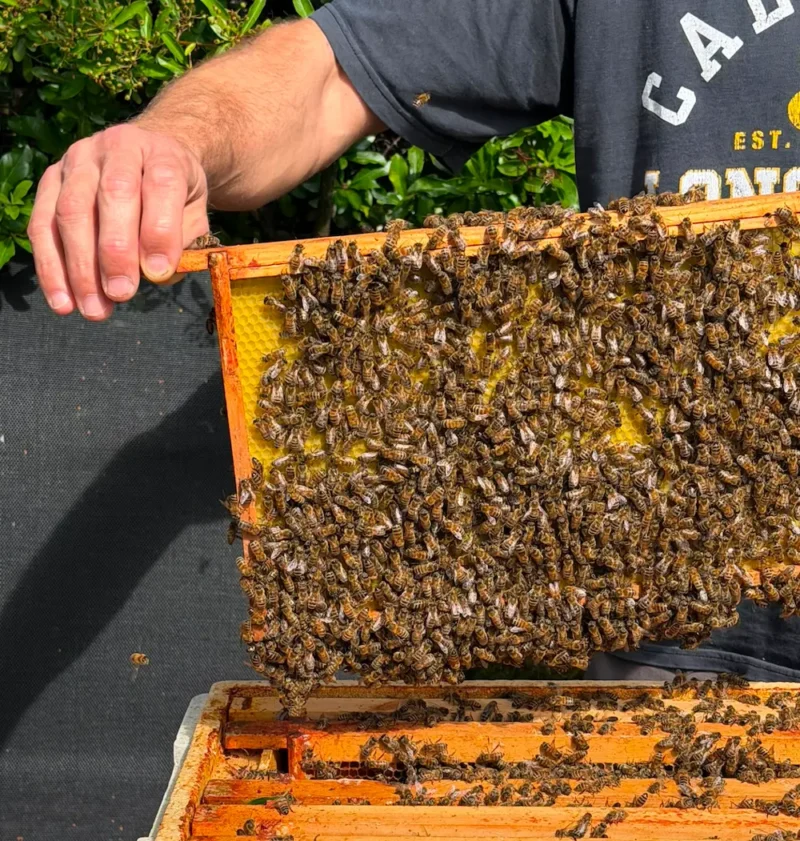
Honeybee colonies establishing in wall cavities, roof spaces, garden trees, or outbuildings in Harrogate properties represent complex biological systems. A single colony contains 20,000 to 80,000 individual bees representing months of population development and intricate social organization. Colony extermination wastes this biological investment whilst removing critical pollination services from local Yorkshire environments. Since relocation remains entirely viable, extermination becomes ecologically irresponsible.
Professional bee relocation involves several critical elements. First comes detailed species and location identification. Not all nesting insects are honeybees. European wasps, hornets, bumblebees, and other insects require different approaches. Accurate identification in properties throughout Low Harrogate, Starbeck, Pannal, and Knaresborough ensures appropriate response—relocation for honeybees, removal for genuinely problematic species.
Our Harrogate and Knaresborough bee relocation service includes professional assessment identifying bee species and establishing exact colony location within wall cavities, roof spaces, or garden structures. Safe colony capture using gentle handling techniques protects bees from harm during extraction. We coordinate directly with local beekeepers in the York, Harrogate, and Knaresborough districts who receive relocated colonies for integration into managed apiaries. Relocated colonies receive professional care ensuring successful establishment in new environments with proper hive structures and forage access.
Following successful relocation, we identify and seal all entry points preventing bee re-entry to the original property. This structural work in properties throughout HG1, HG2, and HG5 postcodes ensures relocated bees cannot return creating permanent problem resolution. Documentation and follow-up confirms successful relocation and new colony establishment, providing peace of mind that your honeybees received proper care from capture through successful integration into local beekeeping operations.
This comprehensive service represents genuine environmental stewardship. Every honeybee colony relocated from properties in High Harrogate, Knaresborough’s Scotton district, Duchy Estate properties, or anywhere across the Harrogate region contributes meaningfully to local ecosystem health through pollination services supporting agricultural crops, wild plants, and food security across Yorkshire.
Why Honeybee Protection Matters Locally – The York, Harrogate & Knaresborough Environment
Honeybees face serious population pressures from habitat loss, pesticide exposure, and disease. Wild honeybee colonies have declined significantly across Britain with managed hives representing critical remaining populations. Every colony relocated from properties in Low Harrogate, Pannal, Scotton, or Knaresborough strengthens local populations contributing measurably to environmental resilience across Yorkshire.
The agricultural heritage of Yorkshire and the Harrogate district depends substantially on bee pollination. Crop yields across surrounding rural areas from Ripon to Wetherby rely on healthy honeybee populations. Garden productivity in suburban Harrogate and Knaresborough properties similarly depends on reliable pollination services. Protecting honeybees therefore protects food security and garden productivity benefiting entire communities throughout the region.
Honeybees demonstrate remarkable intelligence and social organisation that distinguishes them from other insects. Colonies operate as superorganisms with individual bees exhibiting complex behaviours—recruitment dances communicating flower locations to nestmates, temperature regulation through coordinated wing fanning, and cooperative food storage strategies. Understanding this sophistication highlights why extermination represents such profound loss to local environments.
The distinction between honeybees and other stinging insects proves essential for appropriate property management. European wasps create paper nests from wood pulp, live as annual colonies, and aggressively defend territory expanding throughout properties. Honeybees construct permanent beeswax comb, maintain perennial colonies, and defend hives only when directly threatened. Mistaking honeybees for wasps in properties throughout Harrogate and Knaresborough wastes lethal action on genuinely beneficial insects.
Professional bee handlers possessing expertise in Harrogate and the surrounding Knaresborough district demonstrate the knowledge distinguishing honeybee species accurately. Correct identification in properties across High Harrogate, Starbeck, or Killinghall prevents inappropriate responses ensuring honeybees receive relocation, wasps receive elimination, and protective guidance addresses other situations.
Seasonal Honeybee Activity Patterns Throughout York, Harrogate & Knaresborough
Honeybee nesting on residential properties follows predictable seasonal patterns influenced by reproduction cycles and food availability. Spring—March through May—marks peak establishment periods as overwintering colonies in Harrogate lofts, Knaresborough gardens, and throughout HG1, HG2, and HG5 postcodes expand rapidly. Successful colonies eventually become overcrowded during this growth phase triggering swarming behaviour where portions of colonies depart seeking new nesting sites in properties across Low Harrogate, Pannal, and surrounding areas.
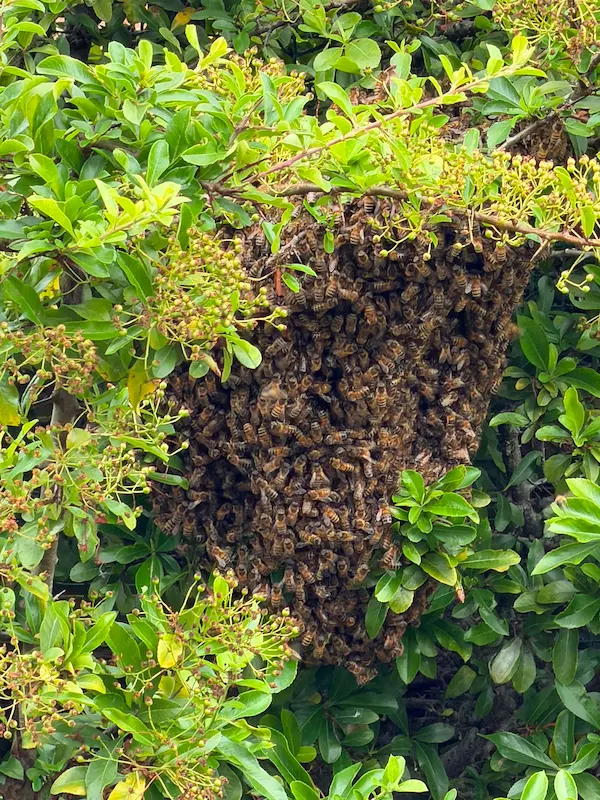
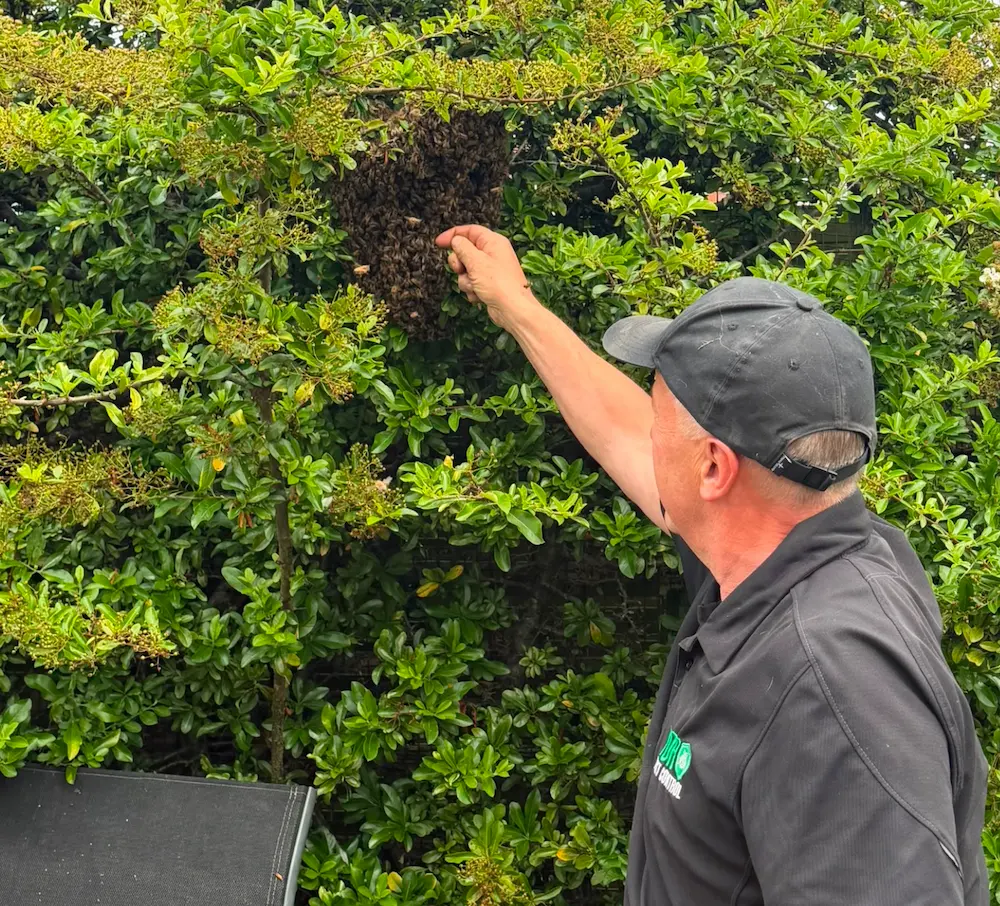
Honeybee swarms appearing dramatic to residents of Harrogate and Knaresborough actually pose minimal danger. A swarm represents thousands of bees temporarily clustering on branches, walls, or structures whilst scout bees locate permanent nesting sites across the region. Swarms contain no defending instinct—they’ve consumed honey for flight energy but lack hive territory requiring active defence. Most swarms depart within 24-48 hours if left undisturbed. Calling professional handlers ensures safe removal preventing unnecessary alarm throughout Harrogate’s Duchy Estate, Starbeck, or Knaresborough’s Scotton district.
Summer months—June through August—see established colonies occupying their chosen nesting sites with increasing vigor. Colonies expand brood chambers, accumulate honey stores for later consumption, and become more defensive protecting developing brood and stored resources. Summer encounters with established honeybee colonies in Harrogate properties, Knaresborough gardens, or structures throughout the region require professional handling respecting colony vigor and protective instincts.
Autumn presents another active period as colonies in Harrogate, Knaresborough, and across the Ripon district prepare for winter survival. Bees become increasingly defensive guarding precious resources accumulated for winter. Late-season establishment occurs as spring swarms finally locate shelter locations in building cavities. Autumn colonies in properties throughout HG postcodes may seem particularly aggressive due to winter preparation instincts—this represents normal behaviour not heightened danger.
Winter activity declines significantly across properties in the Harrogate region. Honeybee colonies cluster together inside hives conserving warmth and metabolic energy. Winter bees rarely fly or forage. However, winter relocation becomes necessary if colonies occupy problematic locations in Harrogate, Knaresborough, or surrounding areas threatening building occupants through blocked access or creating structural concerns through ongoing hive expansion into wall cavities.
Why DIY Honeybee Removal Fails—Professional Service Advantages for Harrogate Properties
Numerous property owners throughout Harrogate, Knaresborough, and surrounding areas attempt DIY honeybee removal through various methods with consistently poor results and significant risks. These approaches fail because established honeybee colonies represent biologically complex systems resisting casual intervention by untrained residents.
Bee-killing products including pesticide sprays and smoke-based treatments eliminate visible bees at nest entrances whilst missing the colony interior where thousands of protected bees exist. Queens, developing brood, and beeswax comb survive initial treatment only to recover and re-establish. Incomplete elimination frequently results in surviving bee populations establishing new colonies in alternative building locations in Harrogate properties or throughout the Knaresborough district. Multiple failed attempts cost significantly more than professional relocation whilst causing months of prolonged occupancy.
Physically removing honeybee colonies from properties in Low Harrogate, Pannal, or Knaresborough’s Scotton proves impossible without proper equipment and expertise. Honeybee colonies occupy wall cavities, roof spaces, and structural voids requiring careful architectural disassembly. Attempting removal without expertise causes property damage in Victorian and Edwardian buildings throughout Harrogate, bee deaths, and incomplete colony extraction leaving significant bee populations behind. Property owners across the region frequently spend thousands on structural repairs addressing poorly executed removal attempts.
Safety risks accompany DIY approaches substantially. Honeybees defending threatened colonies from amateur handling sting aggressively delivering painful stings that swell and itch for days. Individuals with bee sting allergies face serious medical risks. Children in households with established colonies in Harrogate properties face heightened danger from defensive bees if removal attempts provoke colonies unnecessarily. The stress and anxiety surrounding failed DIY attempts affect family wellbeing throughout the region.
Legal complications arise from DIY extermination. Certain areas in North Yorkshire provide honeybee protection recognising their environmental value. Exterminating colonies without proper licensing violates local environmental regulations exposing property owners to legal liability and potential fines. Professional bee handlers understand local Harrogate and Knaresborough regulations ensuring compliance.
Professional relocation offers multiple advantages over DIY approaches. Experienced bee handlers safely extract colonies protecting all bee life stages from adults through developing pupae. Relocated colonies receive proper placement with local beekeepers ensuring survival and ongoing productivity across Yorkshire. Property restoration in Harrogate and Knaresborough homes occurs without structural damage or environmental destruction. Professional handling eliminates safety risks whilst guaranteeing successful resolution throughout the region.
Professional relocation proves cost-effective long-term. Initial professional consultation costs less than failed DIY attempts, property damage repairs, structural restoration, and subsequent professional intervention in Harrogate properties. Investing in professional service from initial discovery prevents expense escalation. A resident might attempt three different retail products, suffer stings, then call professionals anyway—costing more than professional service from the start whilst enduring months of stress.
How Professional Bee Relocation Works in Harrogate & Knaresborough
Professional honeybee relocation combines careful assessment, safe extraction, and responsible colony placement ensuring environmental benefit alongside property restoration for residents throughout Harrogate, Knaresborough, York, and surrounding areas.
Initial consultation and species identification begins the relocation process. When residents across Harrogate’s Duchy Estate, Low Harrogate, Starbeck, or Knaresborough report nesting insects, we conduct detailed assessment determining exact insect species. Honeybees receive relocation planning. Wasps and other problem insects receive appropriate elimination. Bumblebees receive garden management guidance. Accurate species identification in properties throughout HG1, HG2, and HG5 postcodes prevents inappropriate responses.
Colony location assessment identifies exact nesting positions through careful observation and limited exploratory techniques when necessary. Determining whether bees occupy wall cavities in Victorian buildings, roof spaces in modern Harrogate properties, hollow trees in gardens throughout the region, or structural voids guides extraction strategy. Some locations permit straightforward external capture; others require careful interior access and comb extraction in properties across Pannal, Hookstone, Killinghall, Scotton, and Scriven.
Coordinating with local beekeepers establishes relocation destination and timeline. We maintain relationships with qualified beekeepers throughout the York, Harrogate, Knaresborough, and Ripon districts who actively accept relocated colonies. Beekeepers assess suitability ensuring relocated colonies integrate successfully into existing apiaries receiving proper care, nutrition, and protection.
Safe honeybee capture proceeds using gentle handling techniques protecting colonies from stress or harm. Our trained handlers work methodically encouraging bee movement into capture containers with minimal disruption. When necessary, we carefully extract honeycomb structures ensuring queen bees and developing brood receive protection. The process proves time-intensive but ensures colony viability and successful establishment in new locations.
Transport to beekeeper locations occurs in secure containers maintaining appropriate temperature and ventilation during transit. Relocated colonies travel safely to apiary locations in the Harrogate region and beyond where beekeepers integrate them into managed hive systems providing proper housing, food resources, and professional seasonal management.
Property sealing and exclusion prevents bee re-entry after successful relocation from Harrogate and Knaresborough properties. We identify all entry points—gaps around vent pipes, damaged soffits, roof eaves, missing mortar in Victorian brickwork—and seal them securely using appropriate materials. Proper exclusion in properties throughout HG postcodes ensures relocated bees cannot return to original locations creating permanent problem resolution.
Follow-up monitoring confirms successful establishment and prevents future nesting throughout the year. We maintain contact with receiving beekeepers ensuring relocated colonies thrive in their new homes. Return visits verify that sealed entry points in Harrogate, Knaresborough, and surrounding area properties remain intact preventing new infestations. Documentation provides complete record of relocation confirming environmental stewardship.
Honeybee Relocation Throughout Harrogate & Knaresborough – Professional Service You Can Trust
Yor-Pest Control provides professional honeybee relocation services throughout Harrogate and Knaresborough covering all areas including High Harrogate, Low Harrogate, Starbeck, Duchy Estate, Pannal, Hookstone, Killinghall, Knaresborough town centre, Scotton, Scriven, and all surrounding villages. We serve all HG postcodes with same-day and next-day consultation available for urgent honeybee situations. Our twenty years serving the Harrogate and Knaresborough area means we understand local property types, common nesting locations in Victorian and Edwardian buildings, and seasonal patterns affecting both districts.
Professional bee relocation costs £100-150 for external swarms and tree nesting throughout Harrogate and Knaresborough. Wall cavities and roof spaces typically cost £150-250. This includes same-day or next-day consultation, professional-grade relocation ensuring complete colony extraction, coordination with local beekeepers, structural sealing, and comprehensive follow-up monitoring. We provide transparent pricing during initial phone contact with no hidden costs or surprise charges. We’re available seven days per week including evenings and weekends for honeybee emergencies in Harrogate and the Knaresborough district.
Our service includes complete colony relocation using expert techniques, guaranteed success with environmental responsibility, expert advice on prevention and property maintenance, and same-day availability for urgent situations prioritizing family safety throughout the region. We understand honeybee discoveries create genuine concern particularly when families worry about sting risk. We work quickly providing clear relocation to alleviate concerns whilst explaining the complete process so you understand exactly what to expect.
If you’ve discovered honeybees on your Harrogate or Knaresborough property, noticed increased bee activity around your home or business in the HG1, HG2, or HG5 postcode areas, or want professional expert assessment of nesting insects, contact us today for honest professional service.
Call us now on 07951 392 424 for honeybee relocation in Harrogate and Knaresborough, or visit our pest control services page for information about our complete range of services throughout the Harrogate region. Don’t risk DIY bee removal or extermination. Professional relocation ensures honeybee conservation whilst solving your property concerns completely.