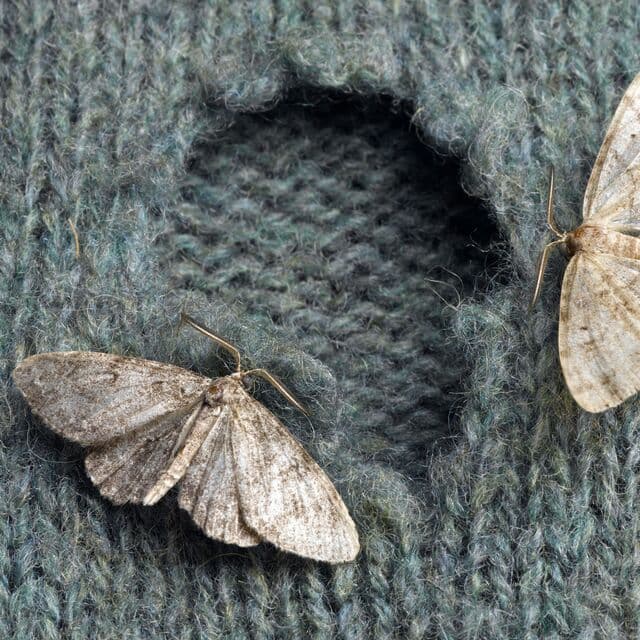
If you’ve noticed small, jagged holes in your favorite wool jumper or silken trails along the edges of your carpets, you aren’t alone. Harrogate’s beautiful Victorian and Edwardian homes are stunning to live in, but their high ceilings, deep floorboards, and high-quality wool carpets create the perfect environment for the common clothes moth.
At Yor-Pest Control, we recently completed a comprehensive “knockdown and residual” moth treatment for a homeowner on in Harrogate. This case study shows exactly how we cleared the property and what Harrogate residents need to know about professional moth eradication.
Contents
- 1 Why Harrogate Properties Are Moth Magnets
- 2 The Moth Case: A Full-House Infestation
- 3 The Preparation: Half the Battle
- 4 Our Two-Stage Treatment Process
- 5 The Critical 21-Day Rule: Why Patience Wins
- 6 Signs You Have a Moth Problem in Your Harrogate Home
- 7 Why Professional Treatment Works (And DIY Doesn’t)
- 8 Preventing Future Moth Infestations in Victorian Homes
- 9 Other Harrogate Areas We’ve Successfully Treated
- 10 Frequently Asked Questions About Moth Treatment in Harrogate
- 11 Professional Moth Control Across Harrogate and North Yorkshire
- 12 Contact Yor-Pest Control for Professional Moth Treatment in Harrogate
Why Harrogate Properties Are Moth Magnets
Before we dive into the treatment, it’s worth understanding why Harrogate homes—particularly period properties—experience higher rates of moth infestation compared to newer builds.
The Victorian and Edwardian Factor
Properties built in Harrogate’s golden era (1850s-1920s) were constructed with quality in mind. Wealthy spa town residents demanded the best materials, which ironically creates ideal conditions for moths today:
High-Quality Wool Carpets: Many Harrogate homes still have original or period-appropriate Axminster and Wilton wool carpets. Clothes moth larvae feed exclusively on natural fibers—wool, silk, and fur. The higher the wool content, the more attractive your carpet is to moths.
Deep Floorboards with Gaps: Victorian floorboards weren’t fitted as tightly as modern ones. These gaps collect dust, hair, and fiber fragments—perfect nesting material for moth larvae. We’ve lifted carpets in Westbourne Avenue homes to find decades of accumulated debris beneath.
Undisturbed Spaces: Period homes often have box rooms, attic spaces, under-stair cupboards, and spare bedrooms that go weeks or months without disturbance. Moths thrive in quiet, dark spaces where they can complete their lifecycle undisturbed.
Heavy Curtains and Textiles: The Edwardian love of heavy drapes, wool upholstery, and decorative textiles means more natural fibers for moths to feed on. We’ve found moth damage in curtains that haven’t been moved in years.
Harrogate’s Affluent Areas Most Affected
In our experience across HG1 and HG2 postcodes, certain Harrogate areas see higher moth infestation rates:
- Westbourne Avenue and surrounding streets: Period properties with original features
- The Duchy Estate: Large family homes with extensive wool carpeting
- Valley Gardens area: Victorian villas with high-quality interiors
- Cold Bath Road vicinity: Older terraces with period features
- Pannal: Larger properties with multiple spare rooms
If you live in these areas and own a property built before 1940, you’re statistically more likely to experience moth problems at some point.
The Moth Case: A Full-House Infestation
The property on Westbourne Avenue is a classic Harrogate Victorian semi-detached villa—high ceilings with ornate cornicing, original floorboards, and quality wool carpets throughout. The homeowner contacted us after discovering extensive damage to bedroom carpets and noticing adult moths flying at dusk.
Our initial inspection revealed what we suspected: this wasn’t just a single-room problem. Moths had established themselves throughout the property, with active infestations in:
- All three bedrooms
- The landing carpet
- Under furniture in the sitting room
- Along skirting boards in the dining room
- In a rarely-used box room
This is typical. Once moths establish in one room, they spread. Adult moths can fly between rooms, and larvae can crawl considerable distances seeking food. Treating just one room would have simply relocated the problem.
The Preparation: Half the Battle
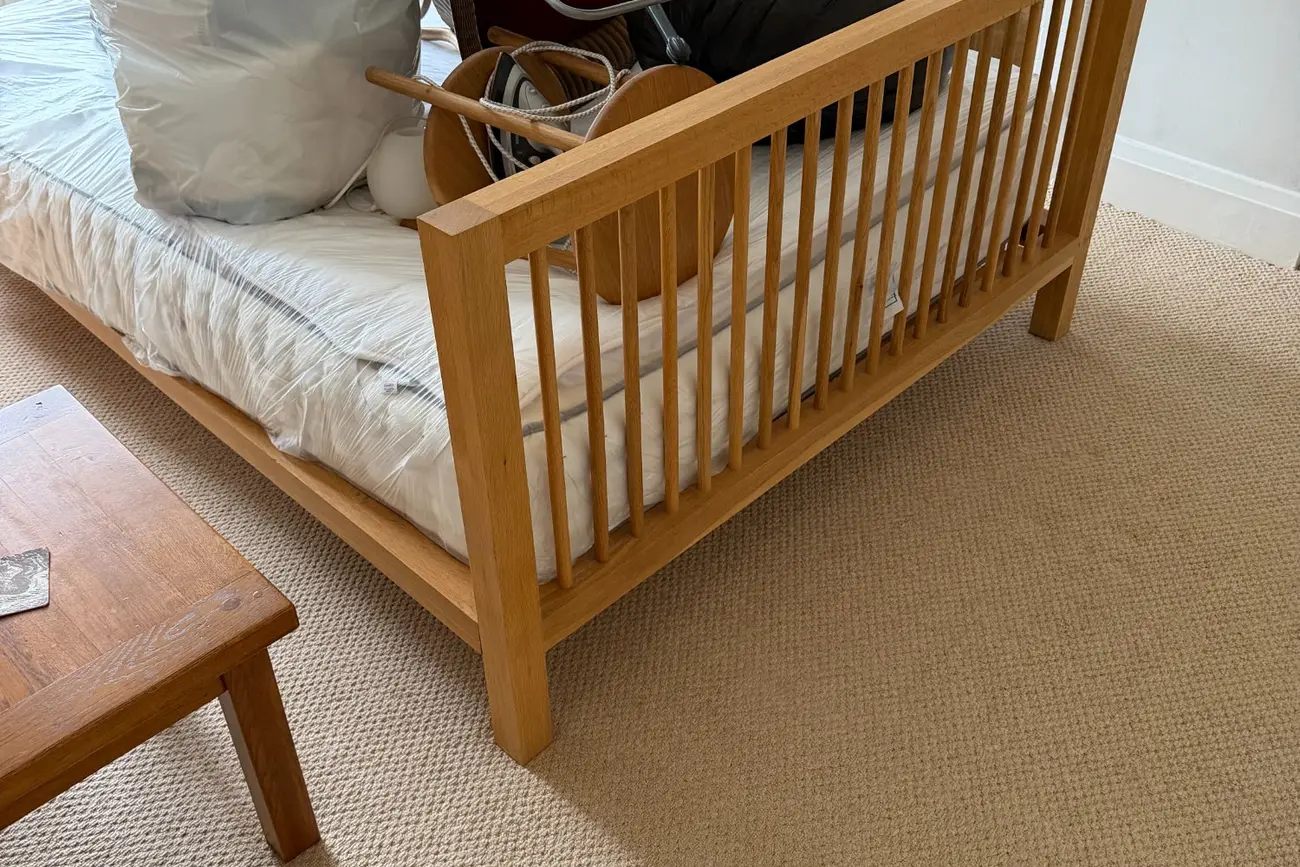
Professional moth treatment isn’t just about spraying chemicals and hoping for the best. The preparation determines success or failure. The Westbourne Avenue homeowner did an exceptional job following our pre-treatment checklist:
Areas Cleared and Accessible:
- All wardrobes emptied (we treat inside wardrobes as moths hide in dark corners)
- Furniture moved away from skirting boards (a 15cm gap minimum)
- Under-bed storage removed
- Shoes and items lifted from wardrobe floors
- Ornaments and breakables removed from treated rooms
Why This Matters:
Moths hide. Larvae tuck themselves into carpet edges, behind furniture legs, and along skirting boards. Adult moths rest in dark corners and ceiling cornices. If we can’t access these areas, we can’t treat them effectively. The Westbourne Avenue preparation meant we could treat every square inch of carpet and reach every potential hiding spot.
Our Two-Stage Treatment Process
At Yor-Pest Control, we don’t rely on a single treatment method. Moths are resilient, and their lifecycle means eggs, larvae, and adults are all present simultaneously. Our approach targets every stage.
Stage 1: Full House Fine Fogging (ULV Treatment)
First, we performed Ultra-Low Volume (ULV) fogging throughout the entire property. This creates a fine mist of insecticide that remains airborne for several minutes before settling.
What ULV Fogging Achieves:
- Reaches Inaccessible Areas: The mist drifts into high ceiling corners, behind curtain pelmets, into ceiling roses, and along picture rails—places you can’t reach with a spray bottle.
- Immediate Knockdown: Any adult moths currently flying or resting are eliminated within minutes. This stops the breeding cycle immediately.
- Comprehensive Coverage: In the Westbourne Avenue property with its 11-foot ceilings and ornate cornicing, fogging ensured we reached every crevice.
The homeowner was asked to leave the property for three hours while the fog settled and dried. We opened windows afterward to ventilate, leaving no residue or odor.
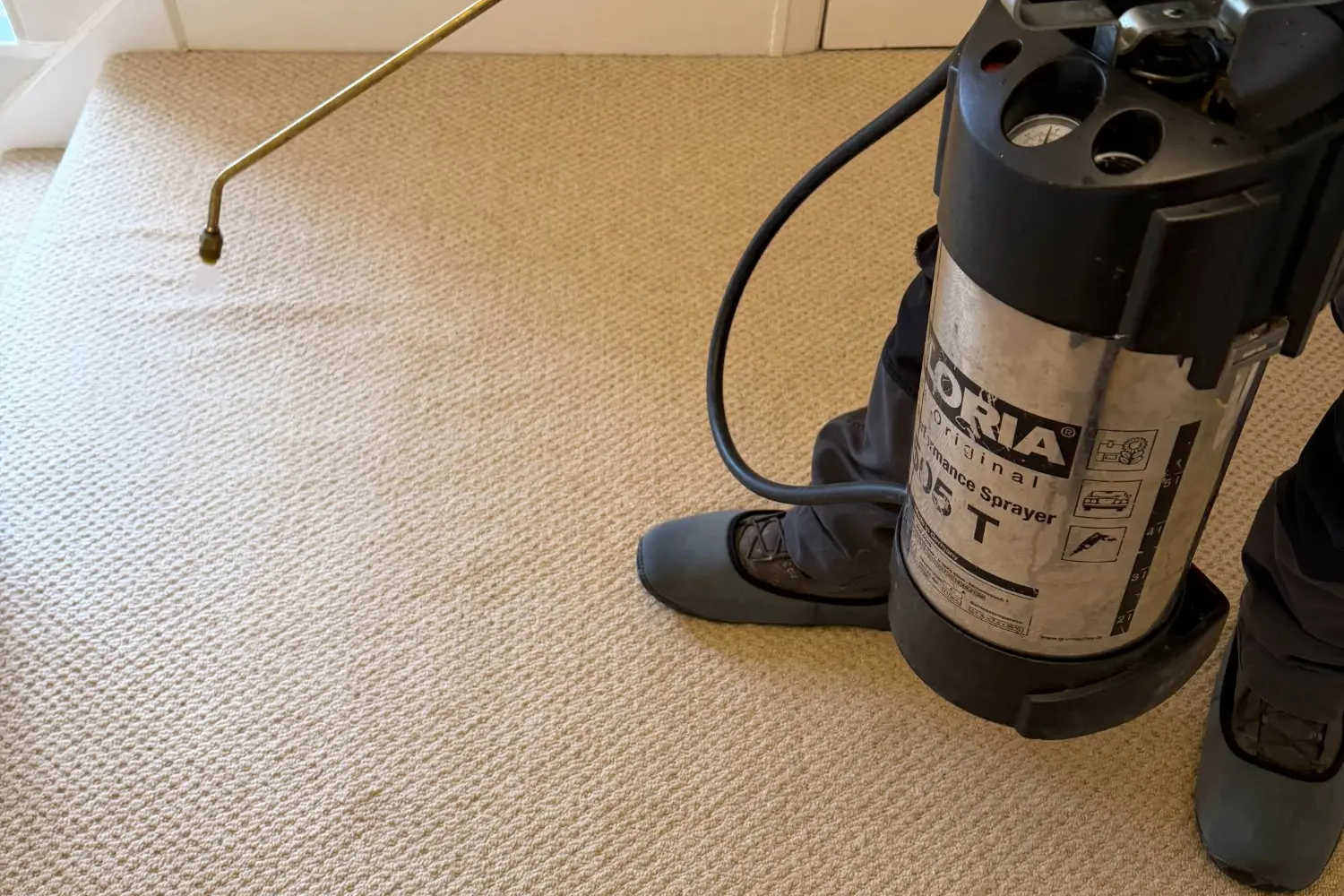
Stage 2: Full Carpet Treatment with Alphasect
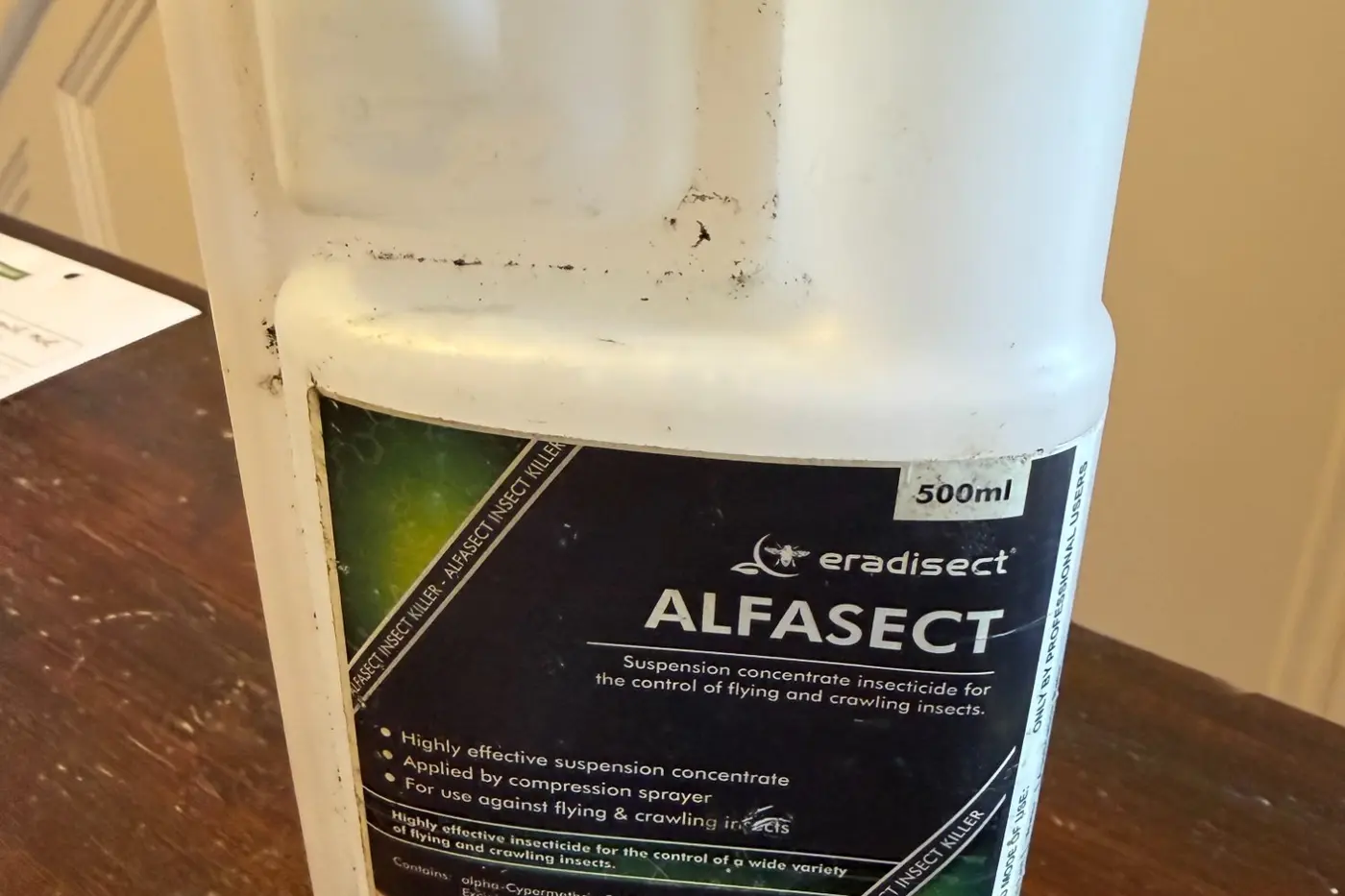
The fogging handles adult moths, but moth infestations are primarily a carpet and textile problem. That’s where the larvae live and feed. Our second stage involved treating all carpeted areas with Alphasect, a professional-grade residual insecticide.
How Alphasect Works:
- Microscopic Residual Film: When applied, Alphasect leaves an invisible protective layer on carpet fibers. It’s odorless once dry and won’t stain or damage quality carpets.
- Targets Hatching Larvae: Moth eggs can survive for weeks before hatching. When larvae emerge and begin crawling or feeding, they contact the treated fibers and ingest the insecticide.
- Long-Lasting Protection: Alphasect remains active for several months, continuing to eliminate newly hatched larvae throughout this period.
At the Westbourne Avenue property, we treated approximately 80 square meters of carpet across all rooms. This included:
- Running the spray along all skirting board edges (where larvae concentrate)
- Treating under radiators and along heating pipes
- Paying special attention to dark corners and under furniture
- Treating inside wardrobes and cupboards
The Critical 21-Day Rule: Why Patience Wins
This is the most important part of moth treatment, and where many DIY attempts fail. After we completed the Westbourne Avenue treatment, we gave the homeowner strict instructions:
Do not vacuum any treated carpets for 21 days.
Why the 21-Day Wait?
Moth eggs don’t hatch all at once. Depending on temperature and humidity, eggs can take 7-21 days to hatch. The Alphasect treatment needs to remain on the carpet fibers throughout this hatching period.
What Happens If You Vacuum Too Soon:
- You physically remove the residual insecticide we’ve just applied
- Larvae hatching after day 3, 7, 10, or 15 encounter no treatment
- They survive, grow, pupate, and become the next generation of breeding adults
- The infestation returns within 6-8 weeks
What Happens If You Wait 21 Days:
- Every larva that hatches during this period contacts the treatment
- The entire lifecycle is interrupted
- By day 21, the vast majority of eggs have hatched and been eliminated
- You can resume normal vacuuming knowing the infestation is broken
The Westbourne Avenue homeowner followed this instruction religiously. When we conducted a follow-up inspection at six weeks, there was no sign of moth activity anywhere in the property.
Signs You Have a Moth Problem in Your Harrogate Home
How do you know if you need professional treatment? Here are the signs we look for during initial inspections:
Adult Moths Flying:
If you see small, gold-brown moths flying at dusk or early morning, particularly near windows or in bedrooms, these are likely clothes moths. They’re poor fliers and tend to flutter rather than fly directly. A single moth might be accidental, but seeing multiple moths over several days indicates an established infestation.
Carpet Damage:
Look closely at carpet edges near skirting boards, under furniture, and in corners. Moth larvae create irregular grazing patterns as they feed. You’ll notice:
- Small bare patches where pile has been eaten away
- Uneven, jagged damage (unlike the regular wear patterns from foot traffic)
- Thinning areas that feel different underfoot
Silken Webbing and Tubes:
Moth larvae spin silk as they move. Check carpet edges, particularly in undisturbed areas. You might see:
- Fine, translucent webbing along skirting boards
- Small silk tubes (like tiny sleeping bags) attached to carpet fibers
- Dust and debris caught in silk threads
Damage to Stored Clothing:
Check wool jumpers, suits, and coats stored in wardrobes or drawers. Look for:
- Small, irregular holes (typically 1-3mm)
- Damage often on seams, folds, or areas with food/sweat stains (larvae prefer soiled fibers)
- Cases or cocoons attached to clothing
Larvae Themselves:
Clothes moth larvae are cream-colored, about 10mm long when fully grown, with a dark head capsule. They’re surprisingly mobile and can be found crawling on walls or ceilings when seeking a pupation site.
Why Professional Treatment Works (And DIY Doesn’t)
We understand the temptation to try solving moth problems yourself. Shop-bought moth sprays are cheap and readily available. However, in our experience treating moth infestations across Harrogate, DIY approaches fail for several reasons:
Limited Product Effectiveness
Over-the-counter moth sprays are contact killers only. They eliminate moths on contact but provide no residual protection. You might kill the moths you can see, but:
- You haven’t treated the eggs in your carpet
- You haven’t reached larvae hidden in carpet backing
- You haven’t eliminated moths in inaccessible areas
- Within weeks, new adults emerge and the cycle continues
Professional products like Alphasect are not available to the public. They’re restricted to licensed pest control operators because they’re powerful, require proper training to apply safely, and need careful handling.
Incomplete Coverage
Most DIY attempts focus on one room or visible problem areas. But as we saw at Westbourne Avenue, moths spread throughout properties. Treating just the master bedroom while ignoring the spare room, landing, and sitting room means:
- Moths relocate to untreated areas
- The breeding population is reduced but not eliminated
- Within months, moths repopulate the treated area
- You’re back where you started
No Professional Assessment
When we inspect properties, we’re looking for conditions that attracted moths in the first place:
- Gaps in floorboards harboring debris
- Storage areas with vulnerable items
- Ventilation issues creating humid conditions
- Access points where moths entered
Without identifying and addressing these factors, infestations recur regardless of treatment.
The Two-Stage Approach
Our ULV fogging + residual carpet treatment combination is specifically designed to target moths at every lifecycle stage simultaneously. No consumer product can replicate this professional approach.
Preventing Future Moth Infestations in Victorian Homes
Once your Harrogate property is clear of moths, prevention becomes the priority. Here’s our advice based on years of treating local Victorian and Edwardian homes:
Regular Vacuuming Focus
Vacuum carpet edges, under furniture, and along skirting boards weekly. Moths lay eggs in undisturbed areas, so regular disturbance prevents establishment. Pay particular attention to:
- Spare bedrooms and guest rooms
- Under beds and heavy furniture
- Along walls behind sofas and wardrobes
- Dark corners and cupboards
Empty your vacuum immediately after use (moths can survive inside vacuum bags and escape).
Seasonal Clothing Storage
When storing winter woolens for summer:
- Wash or dry clean everything first (larvae are attracted to soiled fibers)
- Use sealed plastic storage boxes or vacuum storage bags
- Add cedar balls or lavender sachets (natural deterrents)
- Store in well-lit, regularly accessed areas rather than dark cupboards
Reduce Undisturbed Spaces
Victorian homes have many nooks, crannies, and storage spaces that go undisturbed for months. Make a habit of:
- Opening and airing spare rooms weekly
- Moving furniture occasionally to vacuum underneath
- Checking stored items in loft spaces annually
- Keeping wardrobes well-ventilated
Address Building Issues
If you have:
- Gaps in floorboards: Consider having them filled or install good underlay
- Poor ventilation: Improve airflow in cupboards and storage spaces
- Damp issues: Moths prefer humid environments; address the source
Professional Annual Inspections
For properties with a history of moth problems, or those with valuable wool carpets and textiles, consider annual professional inspections. We can identify early warning signs before infestations establish and provide preventative treatments if necessary.
Other Harrogate Areas We’ve Successfully Treated
The Westbourne Avenue case isn’t unique. We’ve completed comprehensive moth treatments throughout Harrogate and surrounding areas:
Duchy Estate: Several large family homes with extensive wool carpeting across multiple bedrooms. The combination of spare rooms and high-quality carpets makes these properties particularly vulnerable.
Valley Gardens Area: Beautiful Victorian villas where original features and period textiles create ideal moth conditions. We’ve treated properties backing onto Valley Gardens where mature trees and green space seem to correlate with higher moth activity.
Pannal and Surrounding Villages: Larger properties with guest rooms, home offices, and storage spaces that go undisturbed for long periods.
Starbeck and Knaresborough: Terraced properties where moths spread between adjoining homes through shared loft spaces and cavity walls.
No matter where you are in HG1, HG2, or HG3, we provide the same thorough, two-stage treatment that cleared the Westbourne Avenue infestation.
Frequently Asked Questions About Moth Treatment in Harrogate
How long does professional moth treatment last?
Our treatment provides protection for 3-6 months. The Alphasect residual insecticide remains active on carpet fibers, continuing to eliminate newly hatched larvae throughout this period. For properties with severe infestations or ideal conditions for moths, we recommend follow-up inspections at three months.
Is moth treatment safe for children and pets?
Yes, once dry. We use professional-grade products approved for use in domestic environments. During treatment, we ask that people and pets stay out of treated rooms for 2-3 hours until surfaces are completely dry. After this period, the home is perfectly safe to reoccupy. The dried treatment is non-toxic to mammals but remains lethal to insects.
Do I need to leave during treatment?
During the ULV fogging stage, yes. We ask that everyone (including pets) leaves the property for 2-3 hours. This allows the fog to settle and dry completely. For the carpet treatment stage, you can remain in untreated rooms, but it’s often easier to be out while we work.
Can I vacuum after treatment?
No, not for 21 days. This is absolutely critical. The residual treatment needs to remain on carpet fibers to kill larvae as they hatch over the coming weeks. Vacuuming removes this protective layer. After 21 days, you can resume normal vacuuming—the treatment will have done its job.
How quickly can you respond to moth problems in Harrogate?
We typically attend moth treatment calls in Harrogate within 24-48 hours. Unlike emergency lockouts, moth problems don’t require instant response, but we understand you want the issue addressed quickly. For urgent cases in HG1, HG2, and HG3 postcodes, we can often arrange same-day or next-day visits. Contact us to discuss your specific situation.
What’s the cost of professional moth treatment in Harrogate?
Treatment costs depend on property size and severity of infestation. A typical three-bedroom semi-detached property like the one on Westbourne Avenue costs between £200-350 for full house treatment. This includes both the ULV fogging and carpet treatment stages. We provide free quotes following an initial phone consultation or property inspection.
What’s the difference between clothes moths and pantry moths?
Clothes moths (Tineola bisselliella) feed on natural fibers—wool, silk, fur. They infest carpets, clothing, and upholstery. Pantry moths (Indian meal moths) infest stored food products like flour, cereals, and dried goods. They look similar but require completely different treatments. If you’re seeing moths in your kitchen rather than bedrooms, you likely have a pantry moth issue, not clothes moths.
Professional Moth Control Across Harrogate and North Yorkshire
Moths are persistent pests, but they’re no match for systematic professional treatment. The Westbourne Avenue case demonstrates what we do on every moth eradication job:
✓ Thorough inspection to assess infestation extent
✓ Two-stage treatment targeting every lifecycle stage
✓ Clear aftercare instructions (the critical 21-day rule)
✓ Follow-up inspections to verify success
✓ Prevention advice tailored to your property
By treating the entire property rather than just one room, we ensure that we haven’t simply relocated the problem. The comprehensive approach breaks the breeding cycle permanently.
Don’t Wait Until Your Carpets Are Ruined
If you’ve spotted moths flying in your Harrogate home, noticed damage to carpets or clothing, or seen any of the warning signs we’ve described, don’t delay. The longer moths are allowed to establish, the more extensive the damage and the harder they are to eliminate.
Victorian and Edwardian homes in areas like Westbourne Avenue, the Duchy, Pannal, and Valley Gardens are particularly vulnerable. Their beautiful period features and quality materials make them attractive to live in—but they also make them attractive to moths.
Professional intervention is the only way to break the lifecycle permanently and protect your property investment.
Contact Yor-Pest Control for Professional Moth Treatment in Harrogate
Live in HG1, HG2, or HG3 and noticed unwanted guests eating your carpets or clothing? We provide fast, effective, and guaranteed moth eradication throughout Harrogate, Knaresborough, and surrounding areas.
Call us now on 07951 392 424 for:
- Free telephone advice and quotes
- Rapid response (typically 24-48 hours)
- Comprehensive two-stage treatment
- Clear aftercare instructions
- Follow-up inspections included
We serve all Harrogate postcodes and surrounding villages including Pannal, Killinghall, Starbeck, Beckwithshaw, and Hampsthwaite.
Don’t let moths destroy your valuable carpets and textiles. Professional treatment works—as the Westbourne Avenue case proves.
Visit our main Harrogate pest control page to learn about our full range of services, or learn more about our moth treatment service covering all pest species.
Get in touch today and protect your Harrogate home from moth damage.