Harrogate and Knaresborough residents frequently ask why their properties experience persistent grey squirrel problems whilst friends in other Yorkshire towns face minimal squirrel issues. The answer lies in specific characteristics defining both towns creating ideal squirrel habitat. Understanding why Harrogate attracts and sustains large squirrel populations helps property owners recognise unavoidable risk factors and implement realistic prevention strategies addressing actual problems rather than pursuing impossible complete squirrel elimination.
This guide examines why Harrogate and Knaresborough experience elevated squirrel problems including mature tree-lined streets providing extensive roof access networks, Victorian and Edwardian property characteristics creating accessible loft spaces, semi-rural location maintaining large countryside squirrel populations, abundant food sources from gardens and feeders, and how these factors combine creating perfect squirrel conditions. Properties throughout Pannal, Hookstone, Duchy Estate, High Harrogate, Starbeck, Knaresborough town centre, and all tree-rich areas can understand their squirrel vulnerability through these local factors.
Contents
Mature Tree-Lined Streets: The Squirrel Highway System
Harrogate’s character as a prosperous Victorian spa town created distinctive urban forest through extensive tree planting during late nineteenth and early twentieth century development. These mature trees now define the town’s aesthetic appeal providing the green leafy environment residents value. However, these same trees create comprehensive aerial highway systems allowing grey squirrels navigating throughout both towns accessing properties without touching ground. Understanding how tree networks facilitate squirrel movement helps residents recognise why prevention proves so challenging.
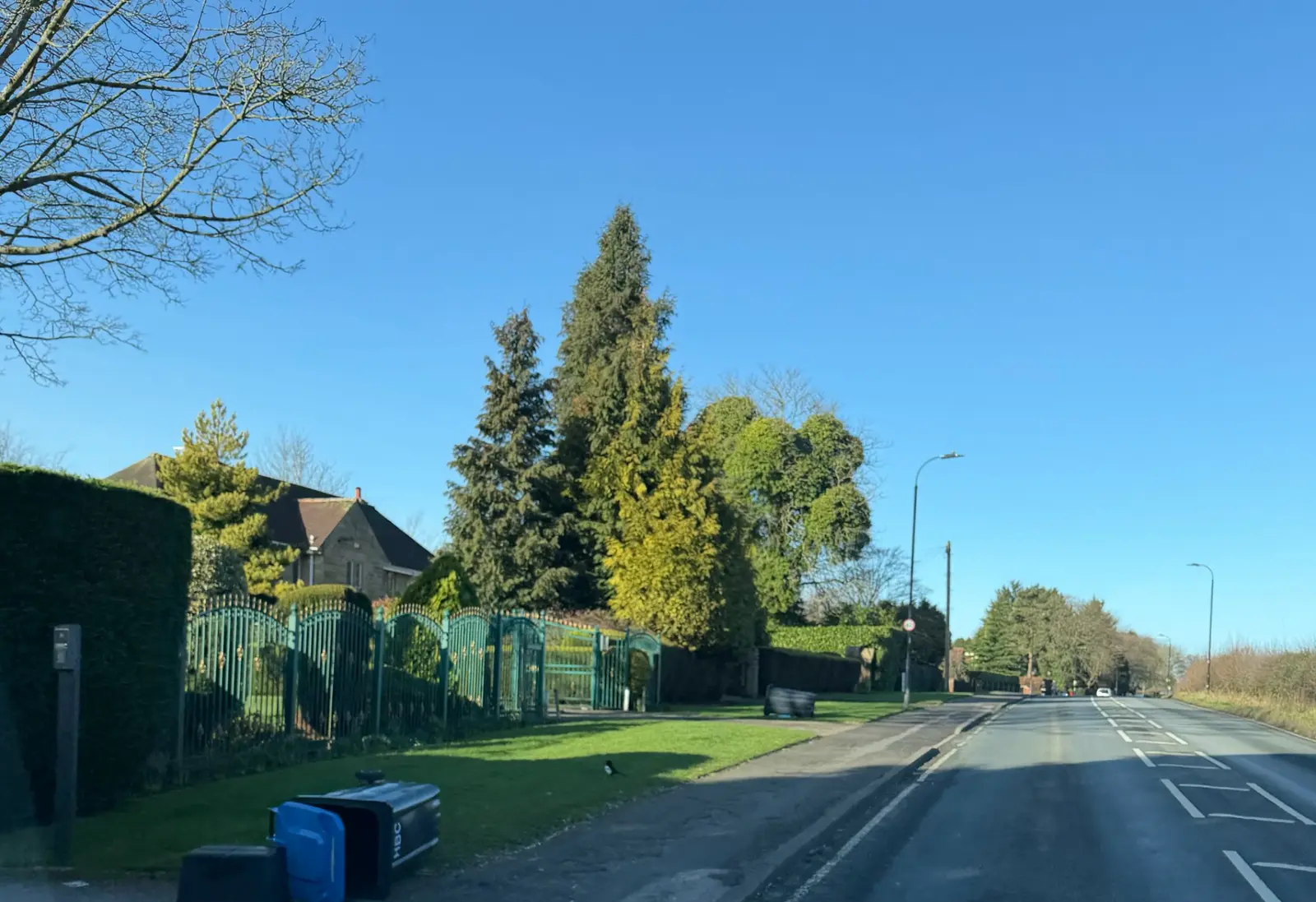
Victorian town planners throughout Harrogate planted street trees systematically creating tree-lined avenues defining residential development. These trees—now one hundred to one hundred fifty years mature—have extensive canopies reaching across streets and into gardens. High Harrogate, Low Harrogate, and established Knaresborough neighbourhoods feature connected tree canopies where individual trees merge creating continuous aerial routes. Squirrels travel these canopy systems moving between properties, accessing food sources, and reaching roof spaces all whilst remaining above ground away from terrestrial predators.
The tree species planted during Victorian development provide perfect squirrel habitat. Mature oaks, beech, horse chestnuts, and sycamores dominate Harrogate’s tree population. These broadleaf species produce nuts and seeds squirrels harvest creating natural food sources sustaining populations. The same trees providing nutrition also offer nesting sites in trunk hollows and dense foliage where squirrels build traditional outdoor nests called dreys. This combination of food and shelter within tree systems means squirrels don’t require building access for survival—loft occupation represents opportunistic expansion into additional territory rather than necessity.
Overhanging branches from mature trees create direct roof access throughout Harrogate and Knaresborough. Squirrels readily jump two to three metres from branch tips onto rooflines. Properties with trees within this jumping distance—which includes most established Harrogate homes—face unavoidable roof access from determined squirrels. Even properties without immediate garden trees experience access from neighbouring trees, street trees, or trees several properties away where continuous canopy allows squirrel travel. This network effect means individual property tree management provides limited benefit when surrounding area maintains squirrel highways.
The preservation ethos throughout Harrogate protects mature trees through Tree Preservation Orders covering many specimens and conservation areas restricting tree work. This protection ensures the tree canopy defining Harrogate’s character continues whilst simultaneously maintaining squirrel access networks. Property owners cannot simply remove trees eliminating squirrel routes—planning restrictions prevent this even if residents desired sacrificing mature trees for pest control. Professional squirrel management must therefore focus on building protection rather than habitat elimination accepting tree presence as permanent feature requiring adaptation.
Properties in areas like Pannal bordering woodland, Hookstone with extensive mature gardens, parts of Duchy Estate with established tree coverage, and residential Knaresborough streets with Victorian tree planting all experience continuous squirrel pressure from tree networks. These areas require ongoing vigilance and professional management maintaining squirrel-free status despite surrounding populations using tree highways accessing properties whenever opportunities arise.
Victorian and Edwardian Property Characteristics
The Victorian and Edwardian properties dominating Harrogate and Knaresborough provide perfect squirrel access and accommodation through construction characteristics predating pest-proofing considerations. Understanding period property vulnerabilities helps owners recognise why squirrel prevention requires specialist knowledge addressing building-specific features rather than generic approaches suitable for modern properties.
Large accessible loft spaces throughout Victorian and Edwardian Harrogate properties offer extensive territory squirrels exploit. These lofts typically span entire property footprints with ceiling heights allowing comfortable squirrel movement unlike cramped modern loft spaces with limited headroom. The generous dimensions mean multiple squirrels can establish separate territories within single lofts without competition for space. Properties throughout High Harrogate and Knaresborough town centre with typical Victorian construction have lofts measuring thirty to fifty square metres providing ample squirrel accommodation.
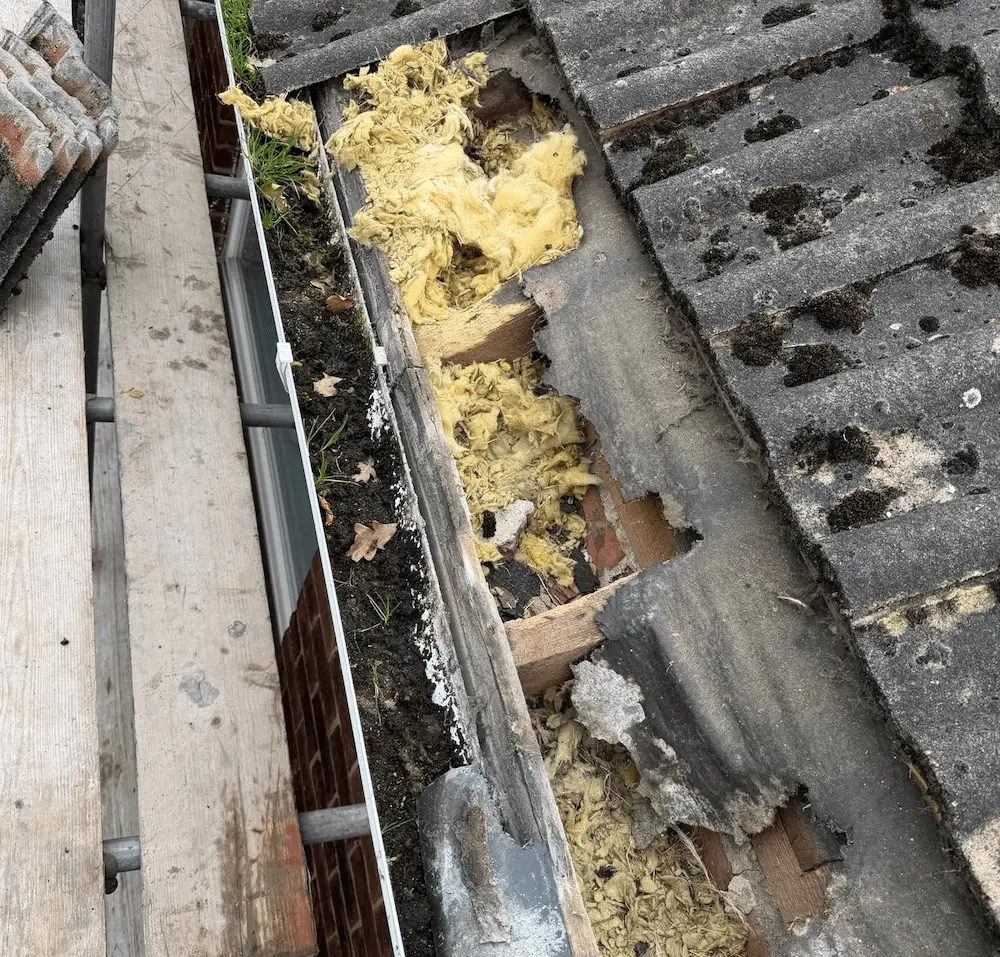
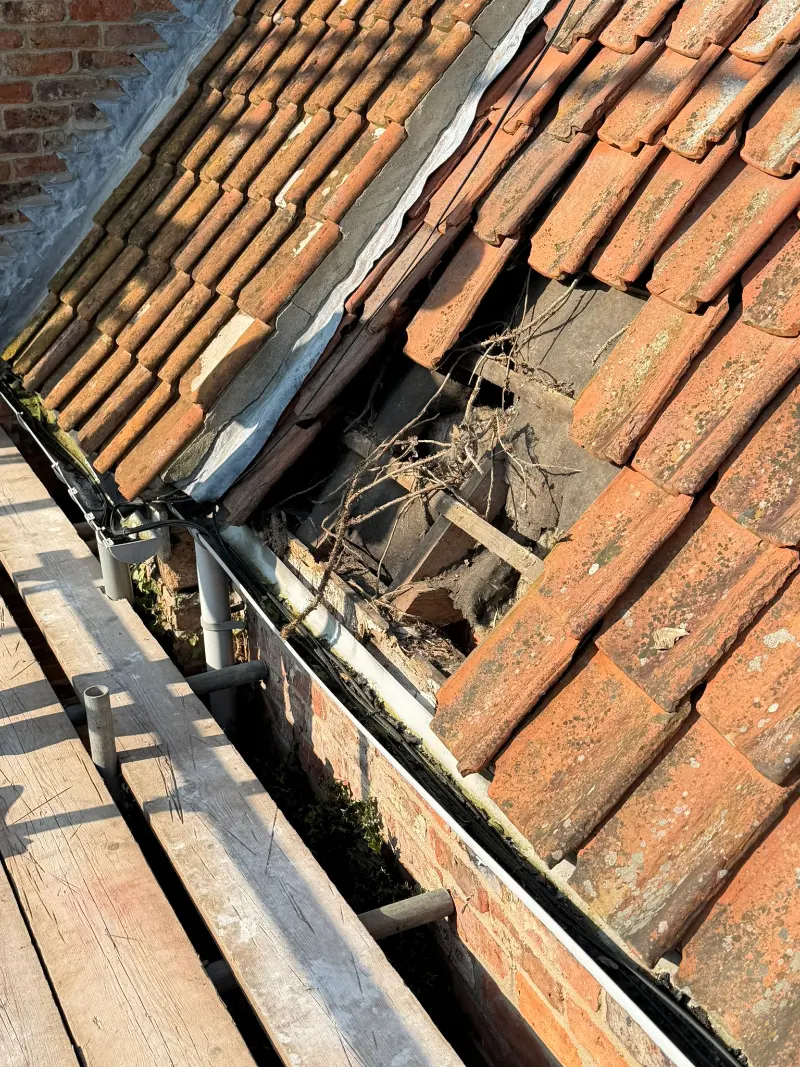
Original construction methods create numerous access points squirrels exploit. Soffits—the horizontal surfaces under roof overhangs—often develop gaps where timber shrinks, deteriorates, or separates from walls. Squirrels gnaw these gaps enlarging openings until they can squeeze through accessing loft spaces. Fascia boards along roof edges show similar deterioration creating access opportunities. Roof tiles experience movement over decades as timber battens age creating gaps squirrels exploit. Victorian properties with original materials unchanged since construction show highest vulnerability through cumulative deterioration over one hundred fifty years.
Complex roof structures characteristic of Victorian architecture create multiple potential access points. Unlike simple modern roof designs with minimal junctions, Victorian properties feature multiple roof valleys, dormer windows, chimney stacks, and architectural details. Each junction, gap, or detail represents potential squirrel entry requiring individual inspection and maintenance. Properties in conservation areas throughout Harrogate maintain these complex original roof forms creating ongoing squirrel vulnerability requiring specialist proofing approaches respecting architectural character.
Cavity wall construction in later Victorian and Edwardian properties provides additional squirrel habitat beyond loft spaces. Although primarily rat highways, squirrels occasionally access wall cavities from loft spaces creating noise and damage throughout properties. The combination of accessible lofts, complex roofs, and cavity walls means Victorian Harrogate properties offer multiple squirrel accommodation options requiring comprehensive approaches addressing all potential occupation sites.
Modern properties with simplified roof designs, sealed soffits, and minimal architectural complexity show lower squirrel vulnerability demonstrating how building characteristics affect risk. However, the Victorian and Edwardian dominance throughout Harrogate means most residents face elevated squirrel risk through property age and construction rather than modern building standards providing inherent protection.
Semi-Rural Location and Countryside Populations
Harrogate and Knaresborough’s semi-rural character creates sustained squirrel pressure from large countryside populations unlike purely urban areas with limited surrounding wildlife habitat. Understanding this geographic context helps residents recognise why squirrel problems persist despite urban location and why complete elimination proves impossible whilst countryside populations thrive adjacent to residential areas.
Harrogate sits surrounded by agricultural land, woodland, and green spaces maintaining substantial grey squirrel populations. Areas like Crimple Valley, Nidd Gorge, and woodland around Knaresborough provide ideal squirrel habitat supporting dense populations. These countryside squirrels naturally expand territories into adjacent residential areas seeking additional food sources and shelter opportunities. Properties in Pannal bordering Crimple Valley, Hookstone near green spaces, Killinghall surrounded by countryside, and parts of Knaresborough adjacent woodland experience direct pressure from countryside populations regularly entering residential areas.
The semi-rural character contrasts with purely urban centres like York city centre where limited surrounding countryside restricts source populations feeding into residential areas. Urban York experiences squirrel problems but pressure comes primarily from established urban populations rather than continuous countryside influx. Harrogate’s position between true urban development and surrounding countryside creates hybrid condition with both established town populations and continuous immigration from surrounding areas maintaining overall numbers despite control efforts.
Mature gardens throughout Harrogate and Knaresborough blur distinctions between residential and countryside habitat. Large gardens in Pannal, Hookstone, and Duchy Estate with extensive tree coverage, dense vegetation, and minimal disturbance provide conditions rivalling countryside habitat quality. These gardens support resident squirrel populations whilst also attracting countryside individuals expanding territories. The garden-rich character means Harrogate residential areas function as high-quality squirrel habitat rather than hostile urban environment discouraging occupation.
Valley Gardens, parks, and public green spaces throughout Harrogate provide additional squirrel habitat connecting residential areas and countryside. These green corridors allow squirrel movement between areas maintaining genetic diversity and facilitating population dispersal from high-density countryside into residential neighbourhoods. Properties near these corridors experience elevated pressure as squirrels follow familiar routes between woodland and residential territories.
Understanding this geographic context helps Harrogate and Knaresborough residents recognise squirrel control as ongoing management rather than one-time elimination. Removing squirrels from individual properties provides immediate relief but surrounding populations ensure re-infestation risks remain. Professional management combines removal with proofing preventing re-entry maintaining squirrel-free status despite surrounding population pressure.
Food Sources: Gardens and Feeders
Abundant food availability throughout Harrogate and Knaresborough sustains large squirrel populations encouraging territorial establishment near properties. Understanding food source impacts helps residents implement reduction strategies lowering attraction and supporting prevention efforts alongside professional control and proofing.
Bird feeders represent primary food sources attracting squirrels to Harrogate gardens. Well-intentioned residents feeding garden birds inadvertently provide squirrel nutrition. Squirrels raid feeders consuming seeds and nuts intended for birds. A property offering consistent food through feeders becomes preferred territory squirrels actively defend. Well-fed squirrels breed more successfully producing larger litters with higher offspring survival. The cumulative effect means properties with bird feeders sustain higher local squirrel populations increasing loft occupation risk.
Removing or relocating feeders away from buildings reduces squirrel attraction helping prevent loft access. Feeders positioned against houses or near rooflines encourage squirrels approaching buildings discovering loft entry points during feeding visits. Relocating feeders to distant garden locations away from structures maintains bird feeding whilst reducing building-associated squirrel activity. Some residents choose eliminating feeders entirely during periods addressing squirrel problems removing attraction supporting prevention efforts.
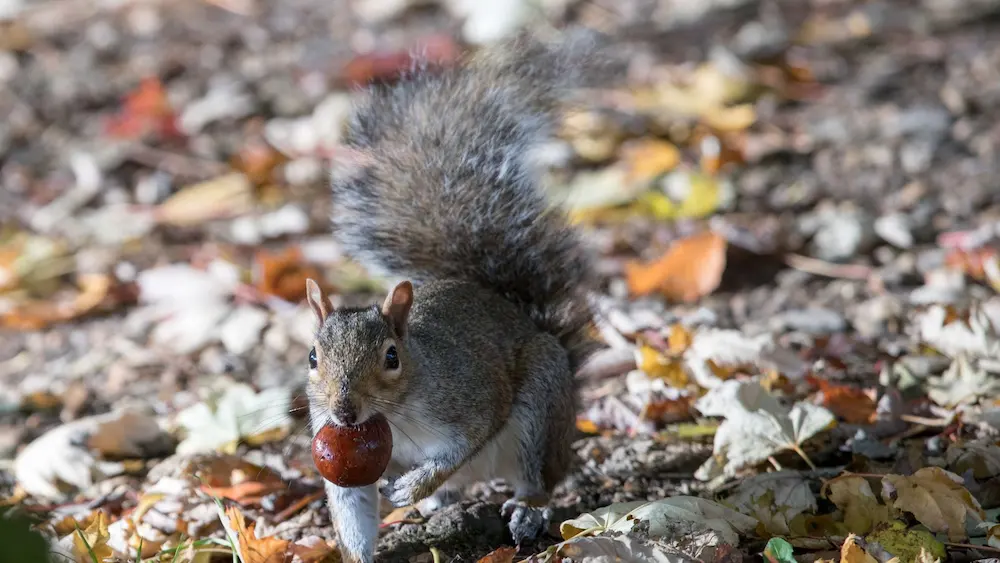
Mature gardens throughout Harrogate provide natural food sources sustaining squirrel populations. Oak trees producing acorns, beech providing beech nuts, horse chestnuts offering conkers, and various fruit trees supply nutrition supporting breeding success. Vegetable gardens with accessible produce attract squirrels raiding crops. Even ornamental gardens with bulbs and corms suffer squirrel predation. These natural food sources mean squirrels thrive in Harrogate gardens regardless of intentional feeding through bird feeders.
Food availability timing affects squirrel territorial establishment. Spring and summer abundance during breeding seasons supports successful reproduction. Autumn nut crops provide caching resources squirrels store for winter consumption. This year-round food availability removes seasonal population controls that would otherwise limit numbers. Properties throughout Pannal, Hookstone, and garden-rich Harrogate areas maintain squirrel populations continuously through abundant nutrition.
Waste management affects squirrel attraction. Accessible bins, compost heaps, and garden waste provide supplemental food sources. Properties implementing secure waste storage reduce attraction supporting overall prevention approaches. However, given abundant natural food sources and bird feeders throughout both towns, waste management alone proves insufficient preventing squirrel problems without addressing primary nutrition availability.
Practical Prevention for Harrogate Properties
Understanding why Harrogate and Knaresborough experience elevated squirrel pressure helps residents implement realistic prevention acknowledging risk factors beyond individual control. Effective prevention combines multiple approaches addressing various vulnerability aspects rather than pursuing impossible complete protection.
Tree branch management represents the most effective prevention measure property owners control. Trimming branches overhanging roofs removes direct access routes forcing squirrels finding alternative approaches. Maintaining two to three metre gaps between branch tips and rooflines eliminates easy jumping access. Annual pruning maintains clearances preventing regrowth recreating access. However, residents must accept limitations—neighbouring trees, street trees, and conservation restrictions limit control. Professional tree surgeons familiar with local preservation requirements can advise appropriate work respecting regulations whilst improving prevention.
Regular property maintenance identifies and addresses access points before squirrel occupation. Annual external inspections check soffits, fascias, roof tiles, and architectural details for gaps or deterioration. Prompt repairs seal opportunities before discovery. Spring inspections before breeding season prove particularly valuable catching problems before breeding females establish territories. Properties throughout Harrogate and Knaresborough implementing systematic maintenance show lower squirrel occupation rates through proactive prevention.
Professional proofing after squirrel removal provides most reliable protection against re-infestation. Following professional removal, we identify all entry points and advise appropriate sealing materials and methods. Wire mesh over soffit gaps, replacing damaged fascias, and sealing roof tile gaps all contribute to comprehensive proofing. Professional installation ensures work quality and compatibility with period property requirements. Proofing investment ranges from hundreds for basic measures to over one thousand for extensive work but provides long-term protection justifying initial expense.
Accepting limitations helps residents maintaining realistic expectations about prevention effectiveness. Complete squirrel elimination proves impossible in Harrogate given surrounding populations and mature tree networks. However, combining professional removal, comprehensive proofing, and ongoing vigilance maintains squirrel-free status protecting properties from damage despite elevated environmental risk. Properties throughout both towns successfully remain squirrel-free through professional management rather than hoping environmental changes eliminating risk factors.
If you’re experiencing squirrel problems in your Harrogate or Knaresborough property, understanding local risk factors helps recognising professional solutions as necessary rather than optional. Contact us today for assessment, removal, and proofing advice protecting your property despite challenging conditions.
Call us now on 07951 392 424 for squirrel control in Harrogate and Knaresborough, or visit our squirrel control page for more information. Don’t accept squirrel damage as inevitable—professional management maintains squirrel-free properties throughout both towns despite elevated risk from mature trees and semi-rural location.