Squirrels scampering through Harrogate’s tree-lined streets and mature gardens appear charming until they access your loft space. Properties throughout Pannal, Hookstone, Duchy Estate, High Harrogate, Low Harrogate, and Knaresborough experience squirrel loft infestations causing damage property owners dramatically underestimate until facing repair bills. Understanding the real costs of squirrel damage in Harrogate and Knaresborough helps residents recognise when professional removal becomes essential protecting both property and finances.
This comprehensive guide examines actual squirrel damage costs in Harrogate properties including electrical fire risks and wiring repair expenses, insulation destruction and replacement costs, stored item damage and irreplaceable losses, why insurance policies exclude pest damage coverage, and professional removal costs versus repair expenses. Whether you live in a Victorian terrace in Harrogate town center, a detached property in Pannal with extensive gardens, or anywhere across Knaresborough, understanding these costs helps you make informed decisions protecting your valuable property.
Contents
- 1 Electrical Fire Risks: The Most Dangerous Squirrel Damage
- 2 Insulation Destruction: Thousands in Replacement Costs
- 3 Stored Item Damage: Irreplaceable Losses
- 4 Insurance Coverage Reality: Why You Pay Yourself
- 5 Professional Removal Costs Versus Damage Expenses
- 6 Why Harrogate Properties Face Higher Squirrel Damage Risks
- 7 Take Action: Protecting Your Harrogate Property from Squirrel Damage
Electrical Fire Risks: The Most Dangerous Squirrel Damage
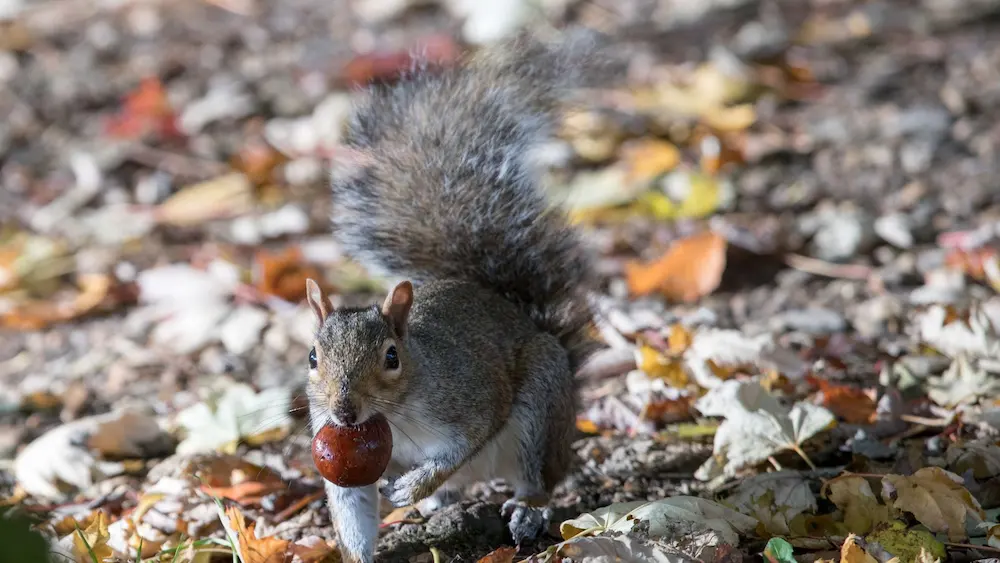
Squirrels in Harrogate lofts create immediate fire risks through electrical wiring damage. Grey squirrels must gnaw constantly because their teeth grow continuously throughout their lives—approximately six inches per year. Without constant gnawing, their teeth would grow to lengths preventing them from eating. This biological necessity drives squirrels to chew everything in loft spaces including electrical wiring, wooden beams, plastic pipes, and stored items. When squirrels gnaw through electrical cable insulation exposing live wires, they create serious fire hazards threatening entire properties.
Modern Harrogate properties have extensive electrical wiring running through loft spaces powering lighting circuits, power circuits, heating controls, and various appliances. Older properties throughout High Harrogate, Low Harrogate, and Knaresborough town center often have additional complexity with outdated wiring systems modified over decades. Squirrels cannot distinguish electrical cables from other gnawable materials. They bite through cable insulation exposing copper conductors. Exposed wires create multiple fire scenarios including short circuits when bare conductors touch causing sparks and heat, arcing between damaged cables igniting nearby insulation or timber, and overheating at damaged points where electrical resistance increases.
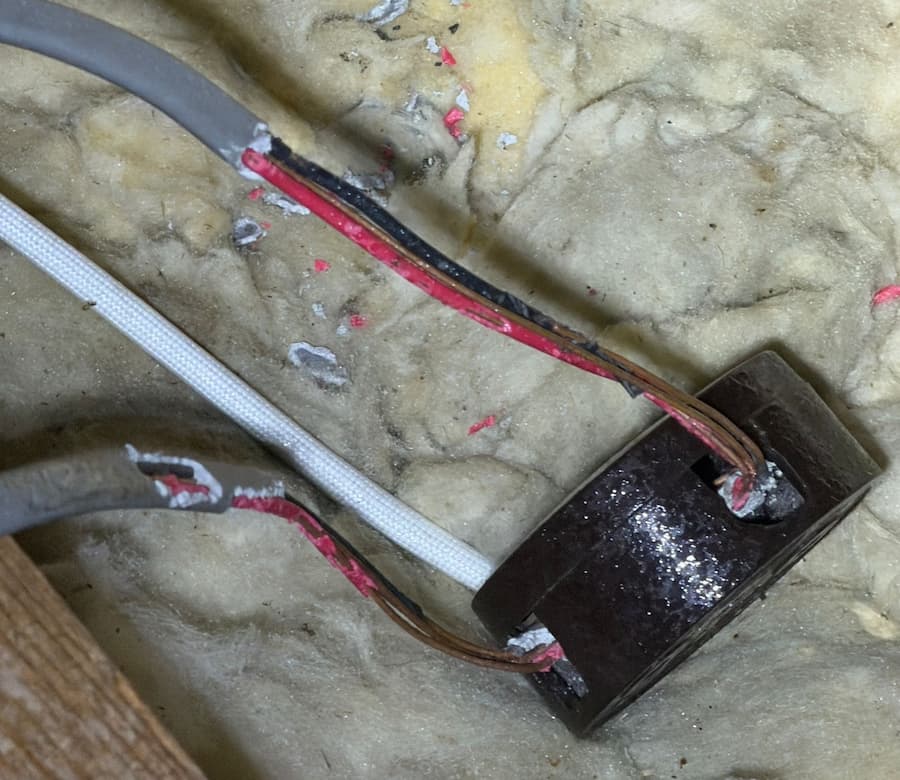
The electrical fire risk remains constant while squirrels occupy loft spaces. A property owner might discover squirrel activity, delay calling professionals hoping the problem resolves naturally, and return home days later to find fire damage from chewed wiring. Insurance covers fire damage but excludes the underlying pest damage that caused the fire. This means insurers pay for fire restoration but property owners pay for rewiring and pest removal. Properties in areas like Pannal and Hookstone with large lofts and complex electrical systems face particularly high risks from extensive wiring exposure.
Professional electrical rewiring after squirrel damage costs five hundred to two thousand pounds depending on damage extent and loft accessibility. Simple repairs replacing short damaged cable sections cost the lower end. Extensive damage requiring complete loft rewiring or damaged cables inside walls and ceilings costs significantly more. Electricians must identify all damaged sections—squirrels often gnaw multiple cables throughout lofts creating widespread problems. Building regulations require professional electrical work with certification adding to costs but ensuring safety. These repair bills could be avoided entirely through prompt professional squirrel removal costing one hundred twenty to one hundred eighty pounds when activity first appears.
Insulation Destruction: Thousands in Replacement Costs
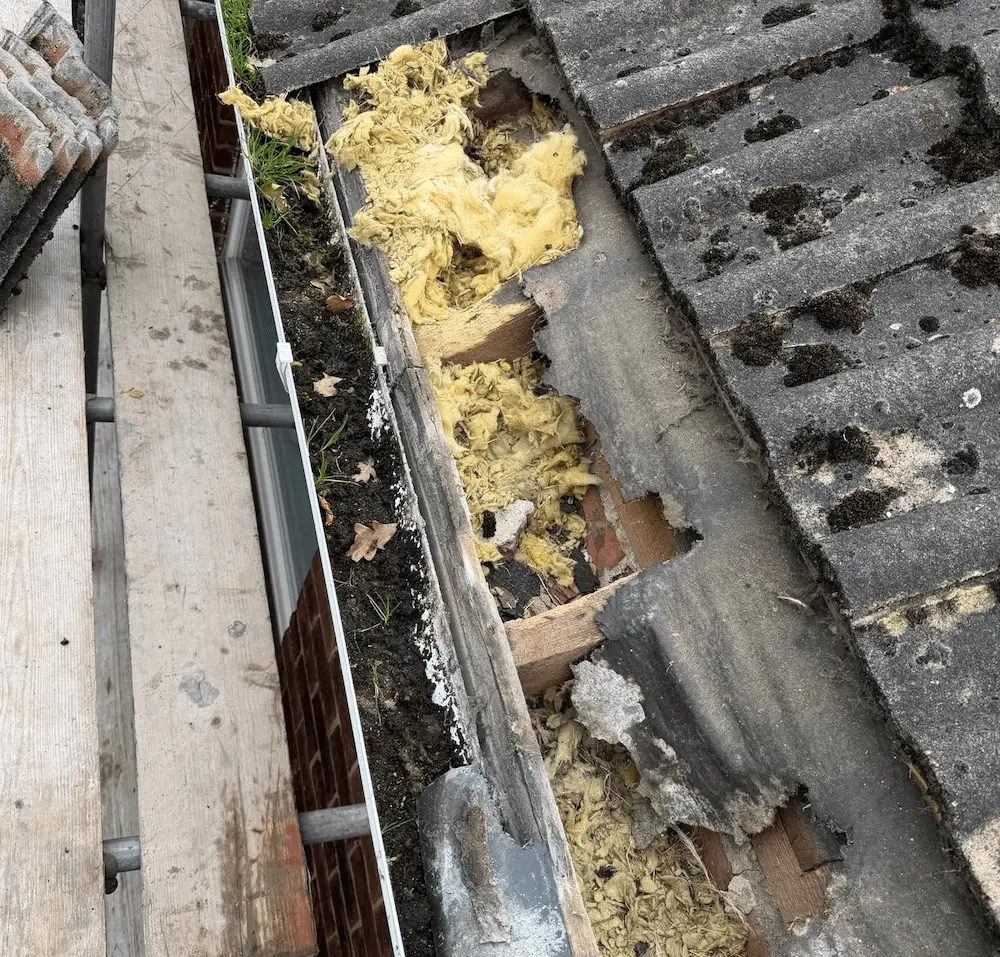
Loft insulation in Harrogate properties suffers catastrophic damage from squirrel activity. Modern building regulations require substantial loft insulation—typically two hundred seventy millimeters of mineral wool or equivalent—for energy efficiency. This insulation represents significant investment when installed and enormous expense when requiring replacement. Squirrels destroy loft insulation rapidly through multiple mechanisms creating replacement costs property owners find shocking when they finally access lofts discovering the damage extent.
Squirrels shred insulation material building nests for breeding and shelter. Female squirrels preparing for breeding in spring and autumn create substantial nests requiring large quantities of soft material. They systematically shred mineral wool insulation, pull apart insulation batts, and scatter material throughout loft spaces. A breeding female can destroy several square meters of insulation within weeks creating her nest. Properties with multiple squirrels—common in established Harrogate infestations near woodland areas—experience accelerated destruction as each squirrel builds separate nests.
Beyond deliberate shredding, squirrel urine and droppings contaminate remaining insulation throughout loft spaces. Squirrels defecate randomly rather than using specific toilet areas. Months of occupation result in urine-soaked insulation and scattered droppings making the material unhygienic and unsuitable for continued use. The smell from contaminated insulation permeates properties particularly during warm weather when loft temperatures increase. Properties in residential Knaresborough, Starbeck, and Harrogate suburbs experience these odor problems severely when squirrels occupy lofts during summer months.
Insulation replacement costs eight hundred to fifteen hundred pounds for typical Harrogate loft spaces depending on property size and insulation type specified. This includes removing and disposing of contaminated material—itself a substantial job requiring protective equipment and proper waste handling—then installing new insulation meeting current building standards. Properties built before modern insulation requirements might need building control approval and inspection adding further costs. Victorian and Edwardian properties throughout Harrogate and Knaresborough with large complex loft spaces cost more due to increased area and access difficulties.
Some property owners attempt partial insulation replacement addressing only visibly damaged areas. This approach fails because squirrel contamination extends beyond obvious nest locations. Urine spreads through insulation material. Droppings scatter widely. Professional sanitisation or complete replacement represents the only solution ensuring healthy living environments. The contrast between one hundred twenty to one hundred eighty pounds for prompt professional squirrel removal versus eight hundred to fifteen hundred pounds for insulation replacement illustrates the value of early intervention.
Stored Item Damage: Irreplaceable Losses
Harrogate and Knaresborough residents use loft spaces storing items of both monetary and sentimental value. Many properties throughout the area contain Christmas decorations, children’s toys and clothing, photographs and documents, inherited furniture and heirlooms, and seasonal items requiring storage between uses. Squirrels damage or destroy these stored items causing losses far exceeding simple replacement costs particularly when sentimental value makes items truly irreplaceable.
Squirrels gnaw cardboard boxes, plastic storage containers, and wooden furniture accessing stored items. They shred paper, fabric, and soft materials for nesting. They urinate and defecate on everything contaminating items beyond salvage. Property owners discover precious photographs damaged by urine, children’s clothing shredded for nesting material, important documents chewed to pieces, and family heirlooms covered in droppings and rendered worthless. These losses create emotional distress compounding financial costs.
A recent Harrogate property owner discovered seventeen squirrels in their Scotton loft near Knaresborough after hearing noises for months. The delay between first noticing activity and calling professionals allowed a small problem becoming catastrophic. When we accessed the loft, decades of stored family items were destroyed—photograph albums from the nineteen seventies and eighties shredded beyond recovery, children’s christening gowns used as nesting material, and inherited furniture damaged by constant gnawing. The monetary value was modest but sentimental value was immeasurable. No insurance payout could replace these family memories.
Property owners in affluent Harrogate areas like Pannal, Hookstone, and parts of Duchy Estate often store valuable items in lofts including antique furniture, quality textiles, and family heirlooms. These items suffer permanent damage from squirrel activity. Even if structurally intact after squirrel removal, contamination from urine and droppings makes many items unsuitable for continued use. Professional cleaning of upholstered furniture costs hundreds of pounds and cannot always eliminate odors or restore original condition.
The stored item damage illustrates why delaying professional squirrel removal proves so costly. Every week squirrels remain in lofts increases damage to irreplaceable family possessions. The one hundred twenty to one hundred eighty pounds professional removal cost seems trivial compared to losing items of profound sentimental value. Properties throughout Harrogate and Knaresborough should act immediately when squirrel activity appears protecting stored possessions before damage occurs.
Insurance Coverage Reality: Why You Pay Yourself
Property owners throughout Harrogate and Knaresborough often assume home insurance covers squirrel damage and removal costs. This assumption proves incorrect in nearly all cases leaving property owners responsible for all expenses. Understanding insurance exclusions helps residents make informed decisions about prompt professional removal rather than delaying hoping insurance will cover eventual repairs.
Standard home insurance policies classify squirrel damage as gradual deterioration or preventable maintenance rather than sudden accidental damage. Policy wordings typically exclude coverage for damage from insects, vermin, or rodents including squirrels. Insurers argue that property owners should prevent pest entry through proper maintenance and promptly address infestations when they develop. Because squirrel damage accumulates over weeks and months rather than occurring suddenly, insurers classify it as gradual damage falling outside standard policy coverage.
Even when squirrel damage causes covered events, insurers exclude the underlying pest damage from settlements. If squirrels chew electrical wiring causing a fire, insurance covers fire damage to the property structure and contents. However, the insurer excludes electrical rewiring costs addressing the chewed cables and refuses squirrel removal expenses. Property owners receive payouts for fire restoration but must separately fund the electrical repairs and pest control preventing recurrence. This creates scenarios where fire damage costs thousands covered by insurance while the underlying problem costing hundreds remains the owner’s responsibility.
Some Harrogate property owners purchase specialist pest damage coverage as policy additions. These endorsements typically cost extra premiums and include strict conditions. Coverage often requires evidence of immediate action when pests discovered—delaying professional removal might void coverage. Annual limits may cap payouts well below actual damage costs in severe infestations. Deductibles apply reducing claim values. Reading policy wordings carefully before relying on coverage proves essential.
The insurance reality means Harrogate and Knaresborough property owners should treat squirrel removal as essential maintenance preventing catastrophic costs rather than hoping insurance will cover problems. Spending one hundred twenty to one hundred eighty pounds for prompt professional removal protects against thousands in uncovered damage. Properties throughout the area should budget for pest control as ongoing property maintenance rather than unexpected emergency expenses covered by insurance.
Professional Removal Costs Versus Damage Expenses
Comparing professional squirrel removal costs to potential damage expenses demonstrates the economic value of prompt action. Professional squirrel removal throughout Harrogate and Knaresborough costs one hundred twenty to one hundred eighty pounds including comprehensive service. This includes initial property survey identifying squirrel access points and activity evidence, professional trap placement using Kanya traps positioned on trees or roof access routes, regular monitoring visits checking traps and assessing continued activity, humane dispatch of captured squirrels following legal requirements, identification of all entry points requiring sealing, and professional advice on proofing preventing future access.
Contrast this one hundred twenty to one hundred eighty pound investment against damage costs squirrels cause when left uncontrolled. Electrical rewiring costs five hundred to two thousand pounds. Insulation replacement costs eight hundred to fifteen hundred pounds. Stored item losses range from hundreds to thousands depending on items damaged. Structural timber repairs cost additional hundreds if squirrels gnaw roof timbers or ceiling joists. Professional loft sanitisation after major infestations costs three hundred to six hundred pounds. Cumulative costs in severe cases commonly reach three thousand to five thousand pounds excluding irreplaceable sentimental losses.
The economic argument becomes overwhelming when property owners act promptly upon first detecting squirrel activity. Hearing scratching noises in the loft, seeing squirrels on the roof, or noticing droppings in the loft indicates early infestation easily controlled with professional removal. Delaying intervention hoping squirrels leave naturally or attempting ineffective DIY solutions allows minor problems becoming catastrophic. Every week’s delay increases damage accumulation and repair costs while squirrels breed and populations expand.
Properties throughout Harrogate and Knaresborough near mature trees or woodland should consider professional squirrel removal essential preventive maintenance rather than optional expense. Areas like Pannal bordering semi-rural land, Hookstone with extensive mature gardens, parts of Duchy Estate with woodland proximity, and residential Knaresborough near green spaces experience particularly high squirrel pressure. Annual loft inspections detecting early activity allow immediate professional intervention preventing damage developing.
The cost comparison illustrates why professional pest controllers emphasise early action. We regularly encounter Harrogate property owners who delayed calling professionals for months watching minor squirrel activity become major infestations. These properties face repair bills reaching thousands while properties acting immediately spend only our professional removal fee. The difference between one hundred twenty to one hundred eighty pounds and three thousand to five thousand pounds provides compelling argument for prompt professional help.
Why Harrogate Properties Face Higher Squirrel Damage Risks
Harrogate and Knaresborough properties experience particularly severe squirrel damage due to local characteristics creating ideal conditions for infestations. Understanding these risk factors helps property owners recognise vulnerability and implement preventive measures. Harrogate’s character as a prosperous spa town with mature landscaping and substantial Victorian and Edwardian housing stock creates perfect squirrel habitat unfortunately resulting in high infestation rates and consequent damage.
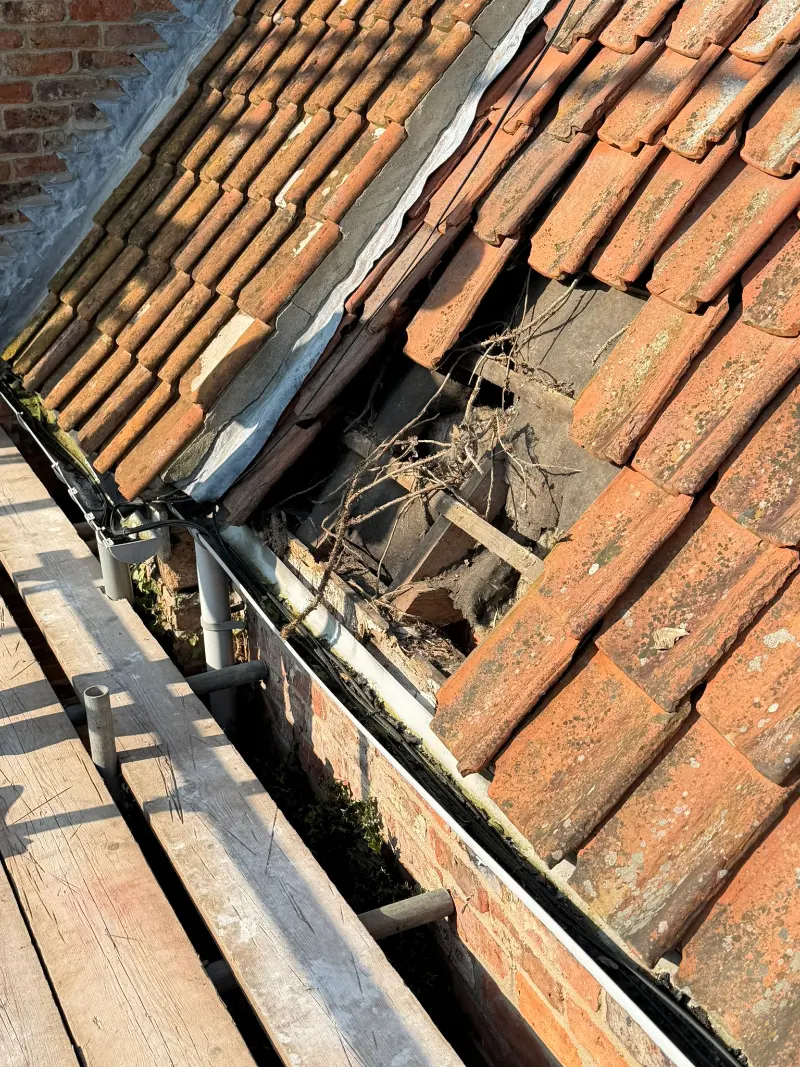
Mature tree-lined streets throughout High Harrogate, Low Harrogate, Duchy Estate, Pannal, and Hookstone provide squirrels with roof access highways. Established trees planted during Victorian expansion now have branches overhanging properties creating bridges from trees to roofs. Squirrels travel these aerial routes easily accessing roof spaces without touching ground. Properties cannot eliminate this access without removing trees—impractical and often prohibited in conservation areas. The mature urban forest Harrogate residents value for aesthetic appeal inadvertently facilitates pest problems.
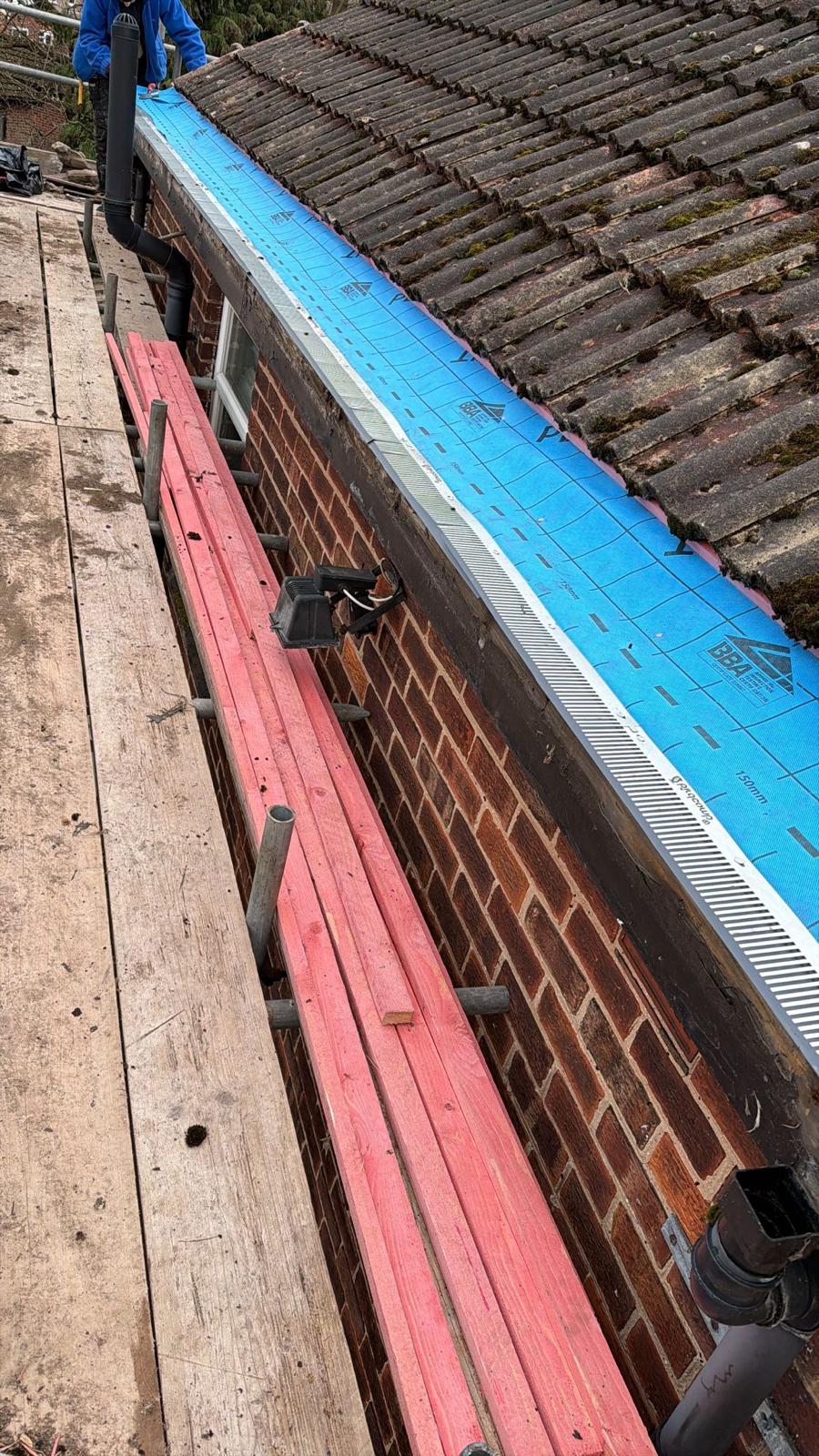
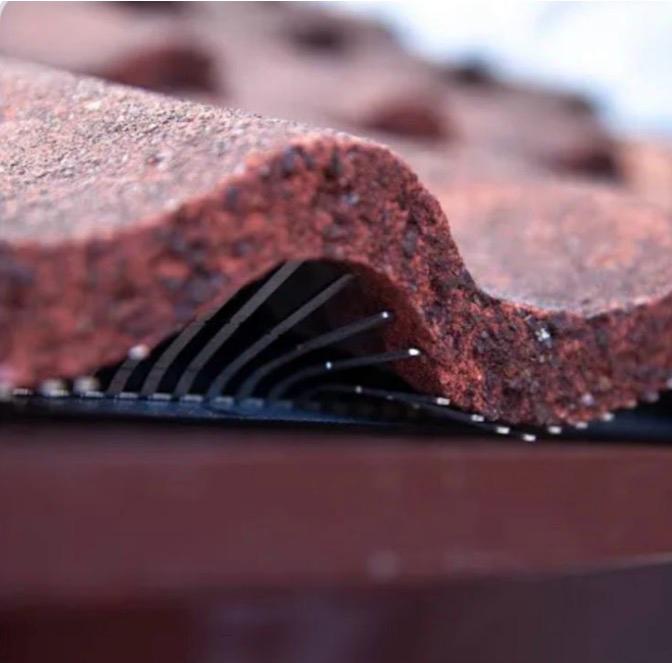
Victorian and Edwardian properties dominating both towns feature construction characteristics squirrels exploit. Large accessible loft spaces provide extensive territory for nesting and activity. Complex roof structures with multiple junctions, valleys, and architectural details create numerous potential entry points. Original soffits, fascias, and roof tiles sometimes have gaps or damage accumulated over one hundred fifty years. Modern materials replacing original features don’t always achieve perfect fit allowing squirrel access. These period properties represent beautiful architectural heritage and unfortunately ideal squirrel habitat.
Harrogate’s semi-rural location creates higher squirrel population pressure than urban areas. The town sits surrounded by woodland and agricultural land harboring substantial grey squirrel populations. These countryside squirrels naturally expand into residential areas seeking food and shelter opportunities. Properties in Pannal near Crimple Valley, Hookstone bordering green spaces, Killinghall with rural surroundings, and parts of Knaresborough adjacent to woodland experience particularly intense squirrel pressure from these countryside populations.
Affluent Harrogate properties often contain quality materials and valuable possessions making damage costs higher than equivalent problems in properties with basic fittings and minimal stored items. Premium loft insulation, expensive electrical systems, and valuable stored possessions all increase damage expenses when squirrels access lofts. The same squirrel behavior causing five hundred pounds damage in a basic property might cause two thousand pounds damage in a high-specification Harrogate home.
These combined factors mean Harrogate and Knaresborough residents should maintain heightened awareness of squirrel risks implementing prevention where possible and acting immediately when activity appears. Properties cannot eliminate all risk factors—mature trees and period architecture define the area’s character—but prompt professional intervention when problems develop minimizes damage protecting valuable properties.
Take Action: Protecting Your Harrogate Property from Squirrel Damage
Properties throughout Harrogate and Knaresborough should implement preventive measures and respond immediately to squirrel activity protecting against costly damage. Annual loft inspections during spring before breeding season allow early detection of entry points or initial activity. Check for droppings, nesting material, gnaw marks, or disturbed insulation indicating squirrel presence. Inspect soffits, fascias, and roof edges from outside looking for damage or gaps squirrels might exploit. Trim tree branches away from rooflines where practical removing obvious roof access routes.
When you detect squirrel activity—hearing scratching noises, seeing squirrels on your roof, or finding evidence in lofts—contact professional pest controllers immediately. Every day’s delay increases damage and repair costs. Professional removal costs one hundred twenty to one hundred eighty pounds protecting against thousands in damage expenses. We serve all areas including High Harrogate, Low Harrogate, Starbeck, Duchy Estate, Pannal, Hookstone, Killinghall, Knaresborough town center, Scotton, Scriven, and surrounding villages.
Don’t assume squirrels will leave naturally or attempt DIY control. Grey squirrels are highly territorial and don’t abandon established loft territories voluntarily. DIY methods using traps available to homeowners often fail through incorrect placement or bait selection. UK law prohibits releasing captured grey squirrels making DIY trapping legally complex. Professional pest controllers have specialist equipment, legal knowledge, and experience ensuring effective humane removal.
If you’re experiencing squirrel activity in your Harrogate or Knaresborough property, contact us today for professional assessment and removal. Our twenty years serving both towns means we understand local property types, common squirrel access points, and effective solutions protecting your valuable home from expensive damage.
Call us now on 07951 392 424 for squirrel removal in Harrogate and Knaresborough, or visit our squirrel control page for more information. Protect your property from thousands in damage with professional removal costing one hundred twenty to one hundred eighty pounds. Early action saves money and preserves irreplaceable possessions.