Large gardens throughout Harrogate and Knaresborough create beautiful outdoor spaces residents value for recreation, gardening, and family activities. These substantial gardens—characteristic of properties in Pannal, Hookstone, Duchy Estate, parts of High Harrogate, and rural Knaresborough—also create perfect conditions for wasp nests establishing in remote locations growing dangerously large before discovery. Understanding why garden size correlates with wasp nest problems in Harrogate helps property owners implement preventive checks and recognise when professional removal becomes essential.
This guide examines garden wasp nest problems specific to larger Harrogate and Knaresborough properties including why sheds and outbuildings become prime nesting sites, how mature hedges and dense vegetation hide growing nests, ground nest dangers in quiet garden corners, why late discovery creates exponentially greater risks, and professional removal solutions for established garden nests. Whether you maintain extensive grounds in Pannal, landscaped gardens in Hookstone, or traditional gardens in Knaresborough, understanding these patterns protects families and visitors from dangerous wasp encounters.
Contents
Garden Sheds and Outbuildings: Prime Wasp Nesting Sites
Garden sheds throughout Harrogate and Knaresborough provide ideal wasp nesting conditions during the critical April-May establishment period when queens search for suitable sites. Sheds used primarily for seasonal garden equipment storage—mowers dormant until spring grass growth begins, garden furniture stored over winter, tools accessed occasionally—offer undisturbed shelter perfect for nest establishment. The combination of protection from weather, absence of regular human activity, and numerous potential nest attachment points makes sheds the most common garden wasp nest location we encounter across both towns.
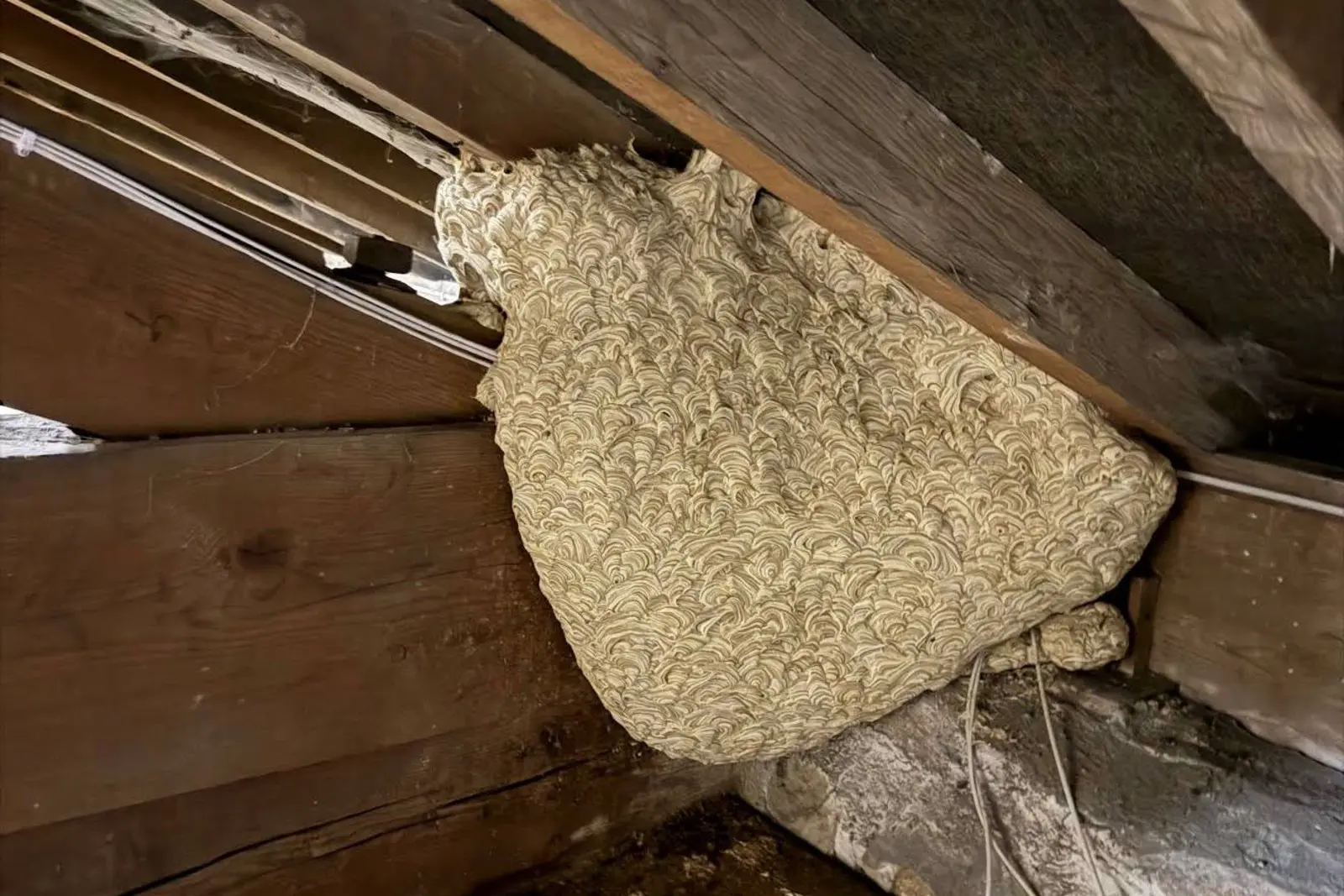
Queens emerging from hibernation in late March and April inspect potential nesting sites throughout gardens. They explore shed interiors through gaps in doors, ventilation holes, or damaged cladding seeking sheltered locations for nest building. Shed roof spaces, high corners away from ground level, and areas behind stored equipment all attract queens. Once a queen selects a location, she begins building her initial nest—golf ball sized at this stage—containing just a few cells for her first eggs. This early period offers the ideal intervention opportunity but requires shed access and inspection property owners rarely perform during early spring.
The seasonal nature of garden shed use creates perfect conditions for undetected nest growth. Most Harrogate residents access sheds infrequently during April and May—weather remains cool, gardens need minimal maintenance, and outdoor equipment stays unused. By the time residents retrieve mowers for first summer cuts typically late May or June, wasp nests established in April have grown substantially. What began as a single queen and golf ball nest now comprises hundreds of worker wasps and tennis ball to football sized structure. The shock of discovering a substantial active wasp nest when simply collecting garden equipment creates dangerous situations as disturbed wasps defend their colony aggressively.
Greenhouses represent another high-risk garden structure throughout Harrogate and Knaresborough. These provide even better nesting conditions than sheds due to warmth from solar gain and protection from rain while maintaining good ventilation. Wasps nest in greenhouse roof spaces, corners near heating systems, or areas behind stored pots and equipment. Properties in Pannal and Hookstone with kitchen gardens and extensive greenhouse setups experience particular vulnerability. Residents entering greenhouses for planting or harvesting might not notice nests in roof corners until wasp activity becomes obviously threatening.
Summer houses, garden rooms, and similar structures increasingly common in affluent Harrogate properties create additional nesting opportunities. These buildings, often fitted with insulation and finished interiors, provide luxury nesting environments from wasp perspectives. Cavity walls between interior cladding and external weatherboarding create hidden nest sites accessible through small gaps. Roof voids above garden room ceilings mirror house loft conditions wasps readily exploit. Properties investing thousands in garden buildings sometimes discover wasp infestations requiring professional treatment before structures become safely usable.
Log stores, covered storage areas, and similar garden structures all provide potential nest sites. Even children’s playhouses, climbing frames with covered sections, and wendy houses can harbour nests creating particular danger given children’s inability to recognise and avoid wasp threats. Properties throughout residential Knaresborough, Starbeck, and garden-rich Harrogate neighbourhoods should inspect all garden structures monthly during April through July ensuring early nest detection before problems escalate.
Mature Hedges: Hidden Wasp Nest Dangers
Mature hedgerows throughout Harrogate and Knaresborough gardens hide wasp nests in dense vegetation making detection difficult until nests reach substantial size or gardening activities disturb colonies. Established gardens in areas like Duchy Estate, older parts of Pannal, and Knaresborough properties with Victorian landscaping often feature mature hedges planted decades ago providing extensive territory for hidden nest establishment. Understanding how wasps utilise hedge environments and recognising warning signs helps residents avoid dangerous encounters.
Wasp queens investigate hedge interiors during April seeking sheltered locations protected by dense foliage. Mature beech, hawthorn, privet, and other traditional hedge species create thick vegetation perfect for nest attachment. Queens build nests attached to branches within hedge centres where foliage provides weather protection and concealment. Early season hedges with fresh spring growth create ideal microclimates—sheltered from wind and rain while receiving indirect sunlight warming nest locations. These conditions support rapid nest growth once worker generations emerge in May.
Hedge nests remain completely invisible from outside during establishment and growth phases. Unlike shed nests discovered when accessing buildings or loft nests revealed by wasp traffic through roof gaps, hedge nests hide entirely within vegetation. Property owners might walk past nests daily without awareness until some activity disturbs the colony triggering defensive responses. The first indication of hedge nests often comes when wasps attack someone passing nearby after vibrations or movement disturb the hidden colony.
Gardening activities create the highest risk scenarios with hedge wasp nests throughout Harrogate and Knaresborough. Hedge trimming using power tools generates extreme vibrations and movements directly affecting nest structures. Wasps perceive this as attacks on their colony and respond with mass defensive behaviour. Gardeners operating hedge trimmers suddenly find themselves attacked by dozens or hundreds of wasps emerging from hedges. The shock often causes gardeners to drop equipment and flee but not before sustaining multiple stings. Harrogate Hospital treats hedge-trimming wasp casualties regularly every summer.
Children playing near hedges create another danger scenario particularly in properties with hedgerows bordering play areas. Ball retrieval from hedge bases, hide-and-seek games using hedges for cover, or simple proximity during outdoor play can disturb nests triggering attacks. Children’s inability to remain calm during wasp attacks and tendency to flail or run increases sting risk. Properties throughout Pannal, Hookstone, and residential Knaresborough with children should inspect hedge lines thoroughly during spring and early summer ensuring no nests endanger play areas.
Mature gardens in Harrogate and Knaresborough often have extensive hedgerow systems requiring systematic inspection finding all nests before they become dangerous. Walking hedge perimeters carefully during calm morning periods allows observation of wasp flight patterns. Heavy traffic of wasps entering and exiting specific hedge locations indicates nest presence. Early detection in May when nests remain relatively small allows professional removal before summer populations explode. Properties should schedule hedge inspections monthly from April through July particularly before any hedge maintenance work begins.
Ground Nests: Invisible Garden Dangers
Ground-level wasp nests represent the most dangerous garden nest location throughout Harrogate and Knaresborough because they’re completely invisible until someone steps directly on or very near them. Unlike aerial nests in sheds or hedges showing some external evidence, ground nests occupy underground cavities accessed through small entrance holes easily overlooked in grass or ground cover vegetation. Understanding ground nest behaviour and locations helps residents avoid these invisible hazards.
Wasps establish ground nests in pre-existing cavities including abandoned rodent burrows, gaps under sheds or paving, spaces beneath tree roots, and voids created by decayed tree stumps. Queens investigating gardens during April discover these ready-made spaces perfect for nest establishment. The underground location provides excellent temperature stability, protection from rain and wind, and complete concealment. Ground nests grow throughout summer in perfect conditions often reaching very large size because discovery happens only through accidental disturbance.
Garden corners receiving minimal foot traffic create ground nest hotspots throughout larger Harrogate properties. That quiet corner behind the garden shed, the area under mature shrubs where nobody walks, the space along the back fence in extensive gardens—these undisturbed locations might harbour substantial wasp colonies completely unknown to property owners. Gardens in Pannal and Hookstone with extensive grounds include numerous such spots where ground nests establish and grow without detection.
The danger occurs when normal garden use suddenly involves previously undisturbed ground nest areas. A gardener working in a neglected corner, children exploring quiet garden areas during summer holidays, or visitors unfamiliar with property layouts might step directly onto ground nest locations. The vibration from footsteps triggers immediate defensive response from the entire colony. Ground-dwelling wasps emerge from entrance holes attacking whatever disturbed their nest—typically the person still standing directly above the entrance. Multiple simultaneous stings from dozens of wasps cause severe reactions even in non-allergic individuals.
Lawn mowing creates particular ground nest danger in Harrogate gardens. Mower vibrations disturb underground colonies triggering attacks while operators focus on mowing rather than watching for wasps. The first indication of ground nests often comes when wasps swarm from grass attacking the mower operator. Power equipment prevents quick escape leaving operators vulnerable to sustained attacks. We respond to several such incidents across Harrogate and Knaresborough each summer typically involving multiple stings requiring medical attention.
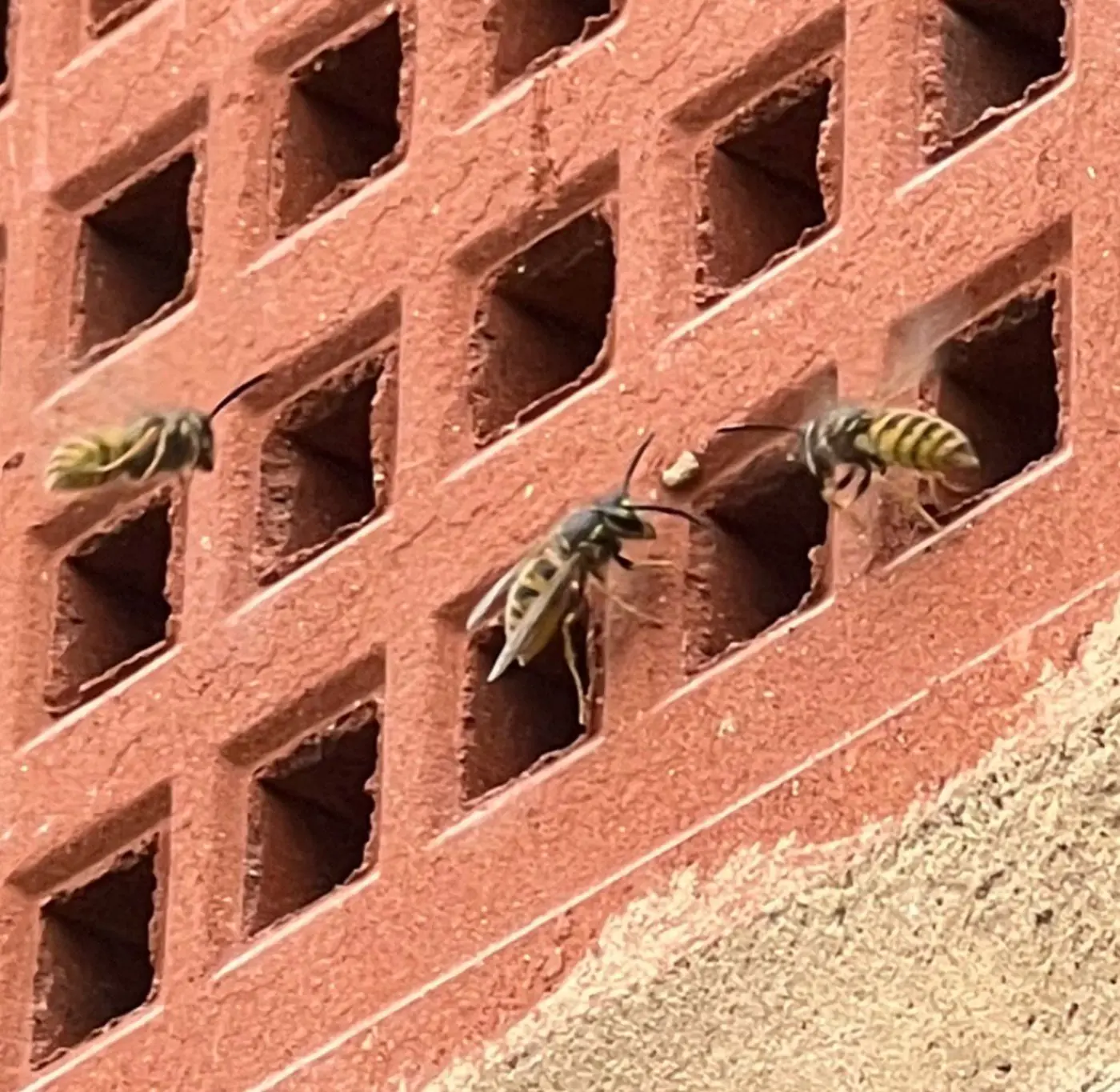
Ground nest identification requires careful observation during calm periods watching for wasp flight patterns. Ground nests show steady traffic of wasps entering and exiting specific ground locations. The entrance hole itself appears unremarkable—perhaps fifteen to twenty millimetres diameter—easily mistaken for natural ground holes or insect burrows. However, constant wasp activity entering and departing reveals nest presence. Properties experiencing unexpected wasp encounters in garden areas should inspect those locations carefully from a safe distance watching for ground nest entrance holes before resuming garden activities.
Late Discovery: Exponential Risk Increases
The fundamental problem with garden wasp nests in large Harrogate and Knaresborough properties centres on late discovery timing. Nests establishing in April within remote garden locations grow undetected through May, June, and into July before residents finally encounter them. This three to four month growth period transforms manageable small nests into dangerous massive colonies creating exponentially greater risk than nests discovered during May when intervention remains straightforward.
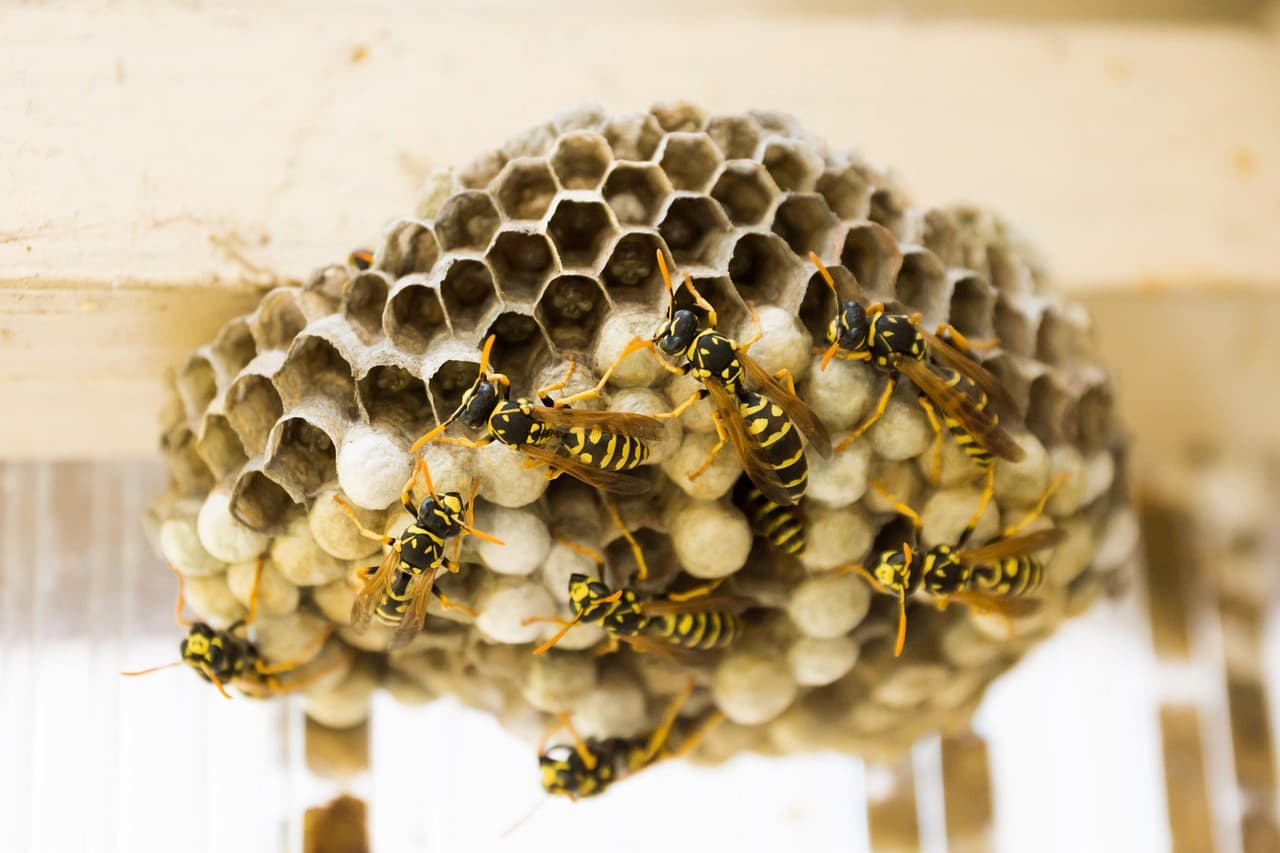
April nest establishment begins with a single queen and perhaps fifty cells in a golf ball sized structure. By mid-May when first workers emerge, colonies contain perhaps one hundred wasps and tennis ball sized nests. This represents ideal intervention timing—colonies remain small, workers haven’t reached full defensive capability, and nest removal requires minimal time and risk. However, garden location remoteness means May detection rarely occurs. Queens selected these sites specifically because human activity remained absent during critical establishment period.
June marks rapid colony expansion as multiple worker generations mature and focus entirely on nest building and larval care. By late June, established garden nests might contain five hundred to one thousand wasps with football sized structures. Wasp activity increases noticeably but if nests occupy remote garden locations, residents might not encounter sufficient wasp traffic recognising problems exist. Sheds visited briefly for tool collection, distant hedgerows never closely approached, or ground nests in corners receiving no foot traffic all continue growing throughout June while residents remain unaware.
July and August represent peak wasp season when discovery typically occurs in garden locations. Nests now contain thousands of wasps—three thousand to five thousand for common wasp nests, potentially ten thousand for German wasp colonies in ideal conditions. These massive populations create serious danger during any nest disturbance. Professional removal of such established nests requires full protective equipment, professional-grade insecticides, and careful approach planning minimising defensive response risk. The contrast between April intervention—a single queen eliminated in minutes—and August removal of five thousand wasp colonies illustrates how late discovery compounds problems.
The exponential nature of wasp colony growth means delay costs increase dramatically rather than linearly. Waiting one extra month doesn’t create one month’s additional growth—it creates exponential population expansion and proportionally increased risk. Properties throughout Harrogate and Knaresborough should implement systematic garden inspections beginning April and continuing monthly through July specifically searching for nests before late-season massive colonies develop. The time investment checking garden buildings, hedgerows, and quiet corners proves trivial compared to dealing with established dangerous nests discovered accidentally during peak season.
Professional Garden Wasp Nest Removal in Harrogate
Professional wasp nest removal for garden locations throughout Harrogate and Knaresborough follows systematic approaches ensuring safe effective elimination regardless of nest size or location. Our twenty years serving both towns includes extensive experience with garden nests in all typical locations from shed infestations to ground nests in extensive Pannal properties.
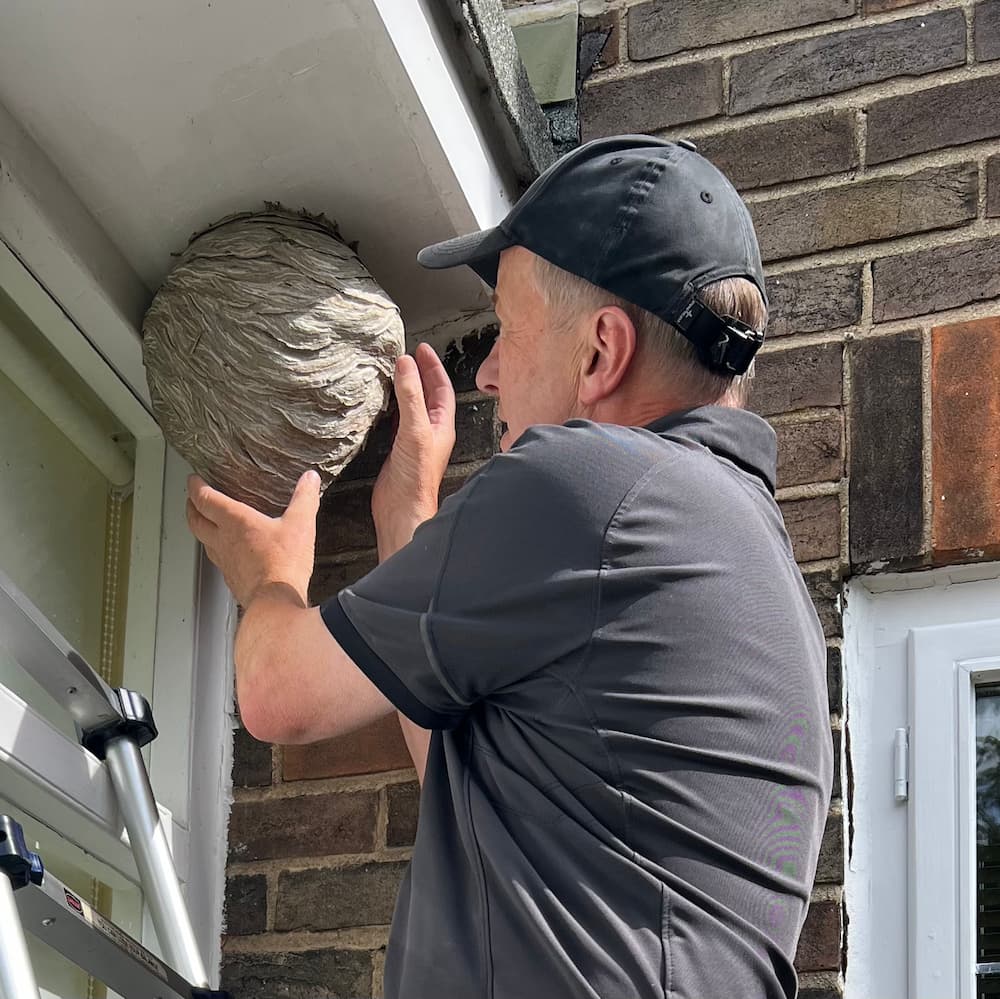
Initial assessment involves careful garden inspection identifying nest locations through observation of wasp flight patterns and activity evidence. We determine nest size, worker population estimates, and optimal treatment approaches based on location accessibility and nearby risk factors like children’s play areas or neighbouring properties. This assessment allows treatment planning ensuring appropriate equipment, timing, and safety measures.
Treatment timing considers resident and neighbour safety. Evening treatments when wasps return to nests and outdoor activity ceases minimise encounter risks. However, urgent daytime treatments proceed when nests directly threaten immediate safety such as ground nests in active play areas or shed nests discovered when children present. We adapt timing to specific circumstances ensuring maximum safety for all involved.
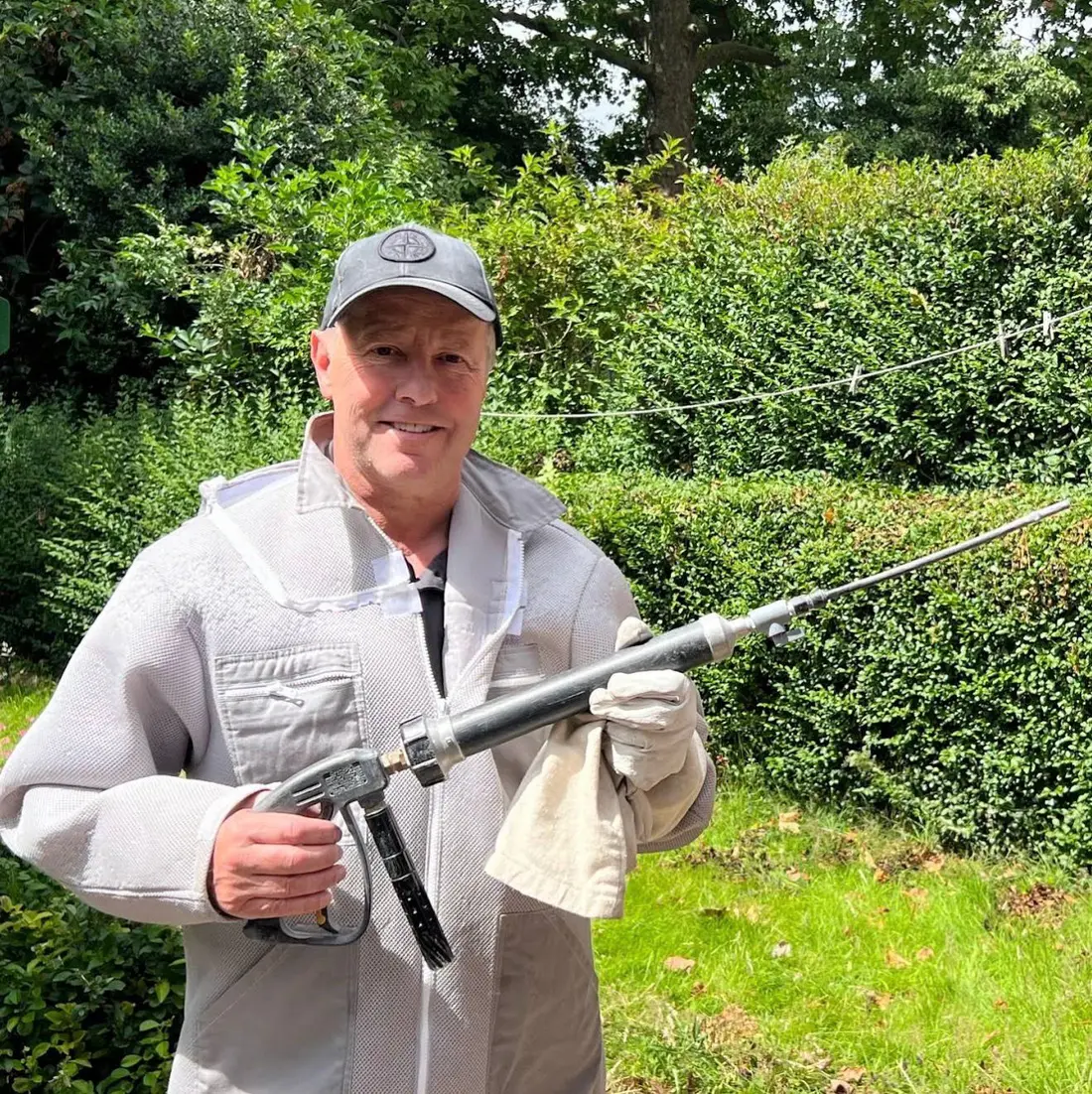
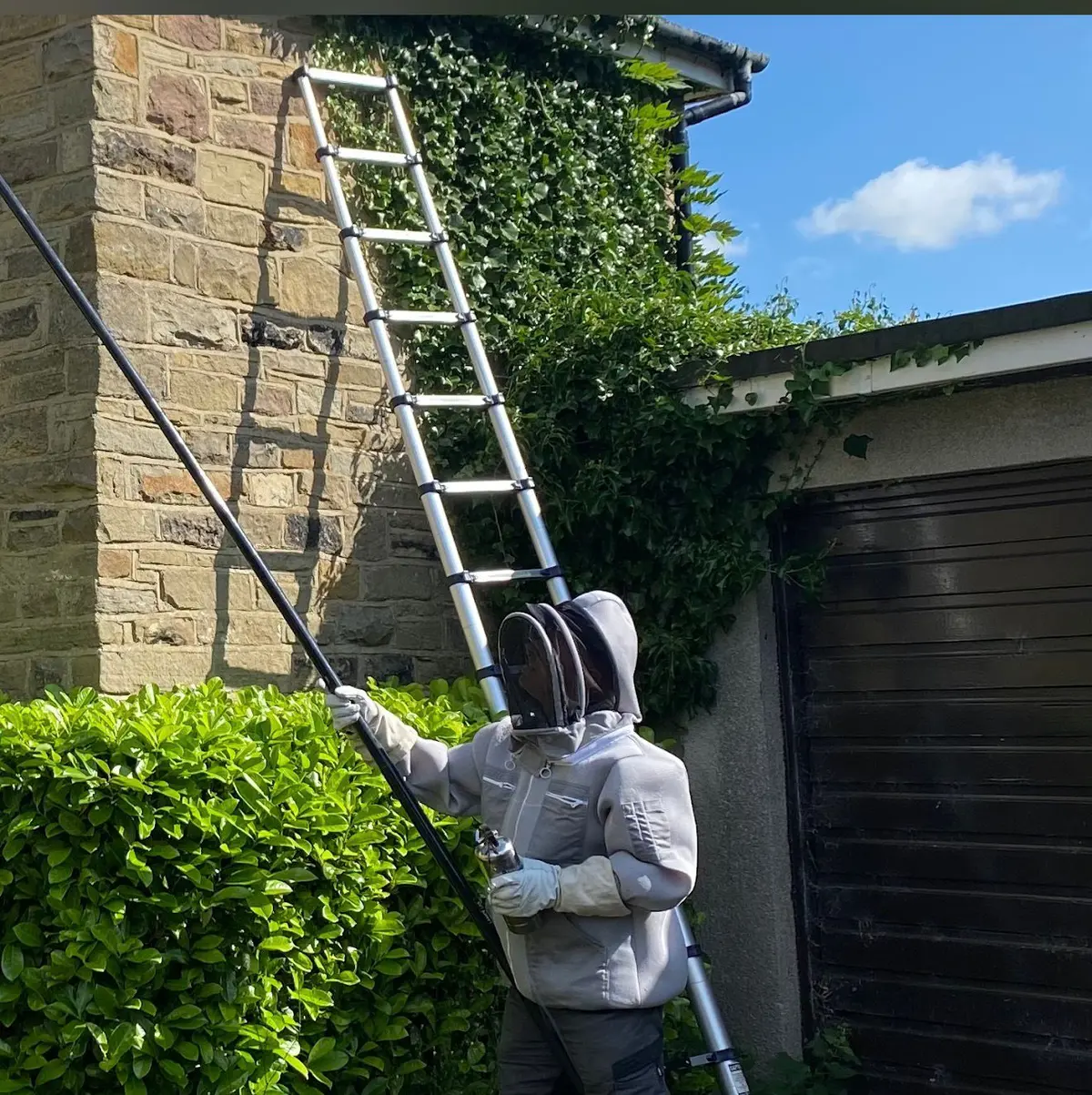
Garden nest treatments use professional insecticides applied directly to nest entrances or structures. Shed and outbuilding nests receive direct application to visible nest structures ensuring rapid colony elimination. Hedge nests might require vegetation trimming accessing nest locations while maintaining operator safety. Ground nests receive entrance treatment ensuring wasps contact insecticide entering and exiting underground colonies. All treatments achieve complete colony elimination within twenty-four hours with guarantees ensuring effectiveness.
Post-treatment advice includes garden management recommendations preventing future nesting. Sealing shed gaps, maintaining hedge trimming schedules preventing dense growth, and regular garden building inspections all reduce re-infestation risks. We provide specific guidance based on property characteristics and previous nesting locations ensuring residents can implement practical prevention measures.
Professional removal costs eighty to one hundred pounds for standard garden nests throughout Harrogate and Knaresborough regardless of location within accessible garden areas. This investment eliminates danger allowing safe garden use protecting residents, children, and visitors from wasp attack risks. Properties in Pannal, Hookstone, Duchy Estate, Knaresborough, and all Harrogate areas receive same-day service where possible particularly for high-risk situations involving children or vulnerable individuals.
If you’ve discovered wasp nests in your Harrogate or Knaresborough garden, noticed increased wasp activity around garden buildings, or want preventive spring inspections before nests establish, contact us today for professional assessment and treatment.
Call us now on 07951 392 424 for garden wasp nest removal in Harrogate and Knaresborough, or visit our wasp nest removal page for more information. Don’t risk dangerous encounters with established garden nests—professional removal provides safe elimination protecting your family and garden enjoyment.