Grey squirrels scampering through Harrogate’s tree-lined streets and gardens appear charming to casual observers unfamiliar with the extensive damage these invasive pests cause. Properties throughout Pannal, Hookstone, Duchy Estate, High Harrogate, Starbeck, Knaresborough, and surrounding areas experience grey squirrel problems requiring professional pest control despite public perception of squirrels as harmless wildlife. Understanding why grey squirrels are classified as invasive pests rather than protected species helps Harrogate residents make informed decisions about control and recognise when professional removal becomes essential rather than optional.
This guide examines the grey squirrel pest problem in Harrogate and Knaresborough including why grey squirrels are invasive non-native species requiring control, the legal framework classifying them as pests without protection, destructive behaviour patterns causing thousands in property damage, disease and parasite transmission risks, their role in native red squirrel decline, and why professional removal represents responsible property management and environmental protection. Residents throughout both towns should understand grey squirrel reality beyond their superficial appeal making appropriate control decisions.
Contents
Grey Squirrels: Invasive Non-Native Species in Harrogate
The grey squirrels throughout Harrogate and Knaresborough originate from North America where they occupy ecological niches in eastern United States and Canada. These animals are not native British wildlife despite their ubiquitous presence across both towns. Grey squirrels were introduced to Britain during the Victorian era—ironically around the same time Harrogate developed as a prosperous spa town—when wealthy landowners imported them as ornamental parkland features finding native red squirrels insufficiently impressive. This misguided introduction created one of Britain’s most successful invasive species with devastating consequences for native wildlife and property owners.
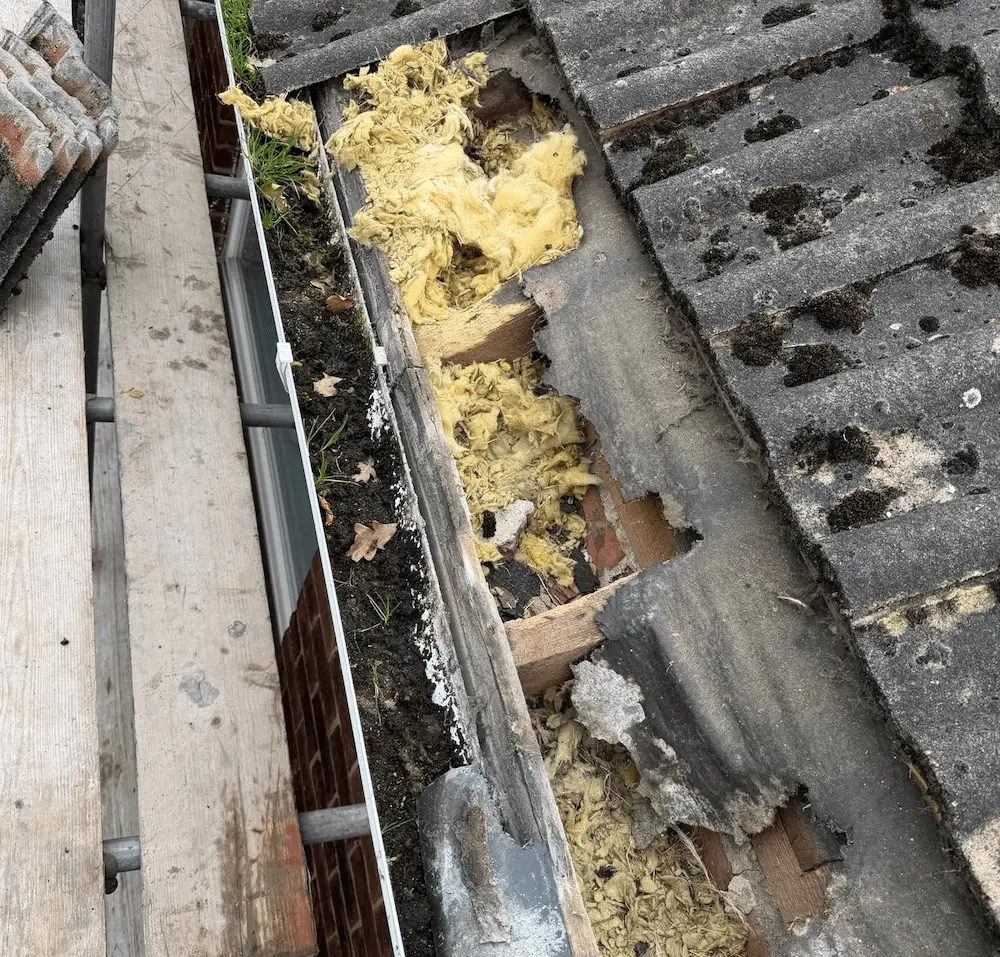
The classification as invasive species carries specific legal and practical implications. Invasive species are animals or plants introduced to environments where they don’t naturally occur, subsequently spreading and causing environmental or economic harm. Grey squirrels meet every criterion of this definition throughout Harrogate and Knaresborough. They’ve spread from initial introduction points establishing populations across both towns. They cause extensive economic harm through property damage costing individual homeowners thousands of pounds. They harm native species—particularly red squirrels—through direct competition and disease transmission. This invasive classification means grey squirrels receive no legal protection and must be controlled preventing further damage.
Understanding grey squirrel biology explains their invasive success throughout Harrogate. They’re highly adaptable generalist feeders consuming wide variety of foods including seeds, nuts, fruits, fungi, tree buds, and occasionally birds’ eggs or nestlings. This dietary flexibility means they thrive in Harrogate’s varied environments from mature Victorian gardens to modern landscaping. They breed twice yearly producing litters averaging three young in spring and late summer. This reproductive rate combined with relatively low natural predation in urban Harrogate creates rapidly expanding populations without natural population controls.
Grey squirrels outcompete native red squirrels through several mechanisms. They’re larger and more aggressive dominating food resources. They digest acorns more efficiently than red squirrels gaining nutritional advantages from oak-dominated British woodlands. Most devastatingly, grey squirrels carry squirrelpox virus causing no symptoms in greys but proving fatal to red squirrels. This disease transmission has eliminated red squirrels from most of England including areas around Harrogate where red squirrels once thrived. The few remaining red squirrel populations survive only in isolated areas where grey squirrels haven’t yet reached or through intensive grey squirrel control programmes.
Properties throughout Harrogate and Knaresborough hosting grey squirrels inadvertently support invasive species populations harming native British wildlife. Every grey squirrel accessing lofts, breeding successfully in gardens, or feeding from bird feeders represents another individual competing with native species and potentially spreading disease. This environmental context frames grey squirrel control as conservation measure rather than simple pest management. Professional removal protects not just individual properties but contributes to broader environmental protection efforts preserving native British wildlife.
Legal Framework: No Protection for Grey Squirrels
UK law clearly defines grey squirrels as pests requiring control rather than wildlife deserving protection. The Wildlife and Countryside Act 1981 Schedule 9 lists grey squirrels as invasive non-native species. This legislation makes it illegal to release grey squirrels into the wild once captured. This release prohibition distinguishes grey squirrels from truly native wildlife where live-catch-and-release represents acceptable control for nuisance situations. Grey squirrels once caught must be humanely dispatched—they cannot be relocated, released in countryside, or transported elsewhere. This legal requirement reflects government recognition of grey squirrel damage to environment and economy.
The legal framework creates specific obligations for Harrogate and Knaresborough property owners discovering grey squirrel infestations. Once aware of squirrel presence, property owners must take reasonable steps preventing further damage. This doesn’t necessarily mandate immediate professional removal but does require action rather than indefinite tolerance. Properties suffering ongoing damage from known squirrel infestations might face liability questions if damage affects neighbouring properties or creates hazards like fire risks from chewed wiring. Insurance policies typically exclude pest damage but might question claims where property owners knowingly tolerated infestations without remedial action.
Professional pest controllers operate under specific legal requirements controlling grey squirrels. We must use humane dispatch methods meeting Animal Welfare Act 2006 standards. Trapping must follow best practice guidelines checking traps at appropriate intervals. Dispatch must occur swiftly minimising suffering. These requirements ensure professional grey squirrel control balances pest management necessity with animal welfare obligations. Licensed pest controllers like Yor-Pest Control understand and implement these requirements ensuring legal compliance throughout removal processes.
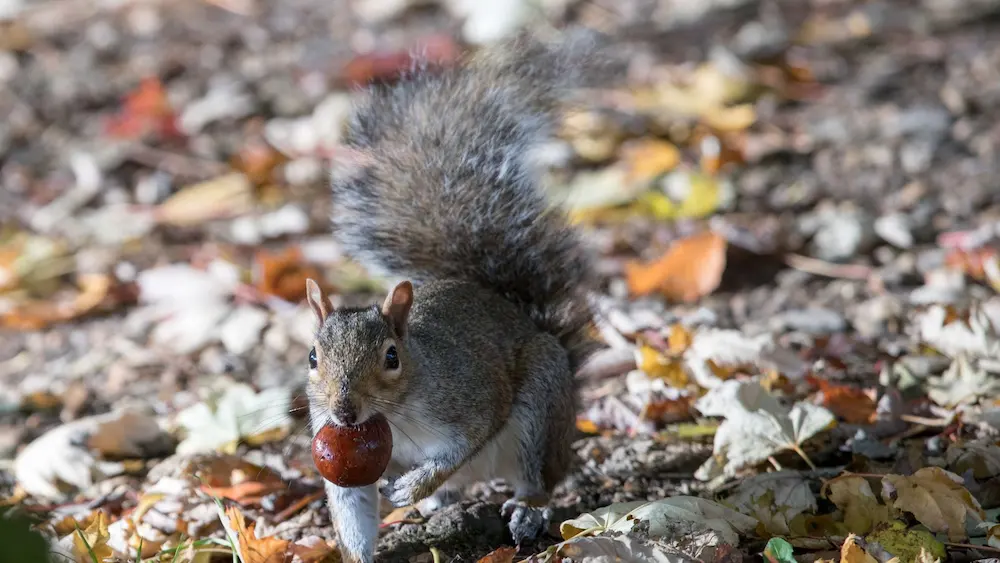
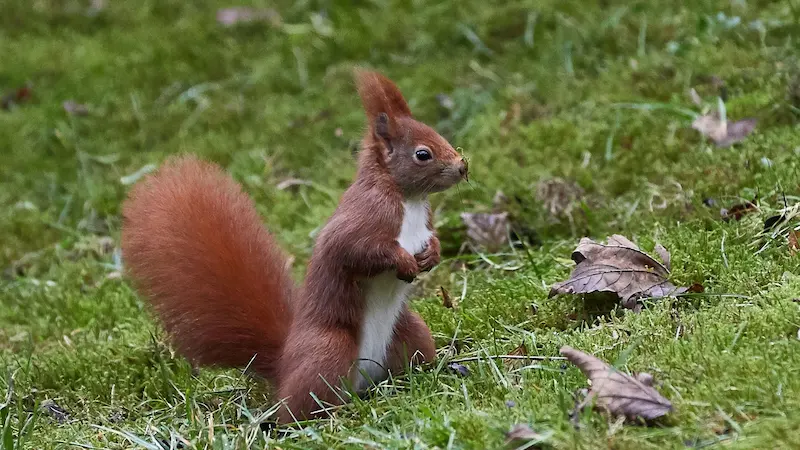
The contrast between grey squirrel and red squirrel legal status illustrates important distinctions. Red squirrels receive full legal protection under Wildlife and Countryside Act 1981. Harming, capturing, or disturbing red squirrels without specific licences constitutes criminal offences with substantial penalties. This protection reflects red squirrels’ status as endangered native species requiring conservation. Grey squirrels receive no such protection reflecting their invasive pest classification. Properties throughout Harrogate and Knaresborough can legally control grey squirrels without licences or permissions provided humane methods are employed.
Some Harrogate residents express discomfort about grey squirrel control despite legal clarity because cultural perceptions lag behind ecological reality. Decades of grey squirrel presence have normalised these invasive animals creating false impression they belong in British environments. Educational efforts emphasising invasive species impact and native wildlife protection help residents understand control necessity. Professional pest controllers explain these contexts to concerned property owners ensuring they make informed decisions recognising grey squirrel removal as environmental protection rather than cruelty.
Destructive Behaviour: Why Grey Squirrels Damage Properties
Grey squirrel behaviour patterns create extensive property damage throughout Harrogate and Knaresborough making them economically significant pests beyond mere nuisance. Understanding specific destructive behaviours helps property owners recognise damage seriousness and intervention urgency. These behaviours stem from grey squirrel biology—their continuously growing teeth requiring constant gnawing, nesting instincts, territorial behaviour, and food hoarding patterns all translate to property damage when squirrels occupy buildings.
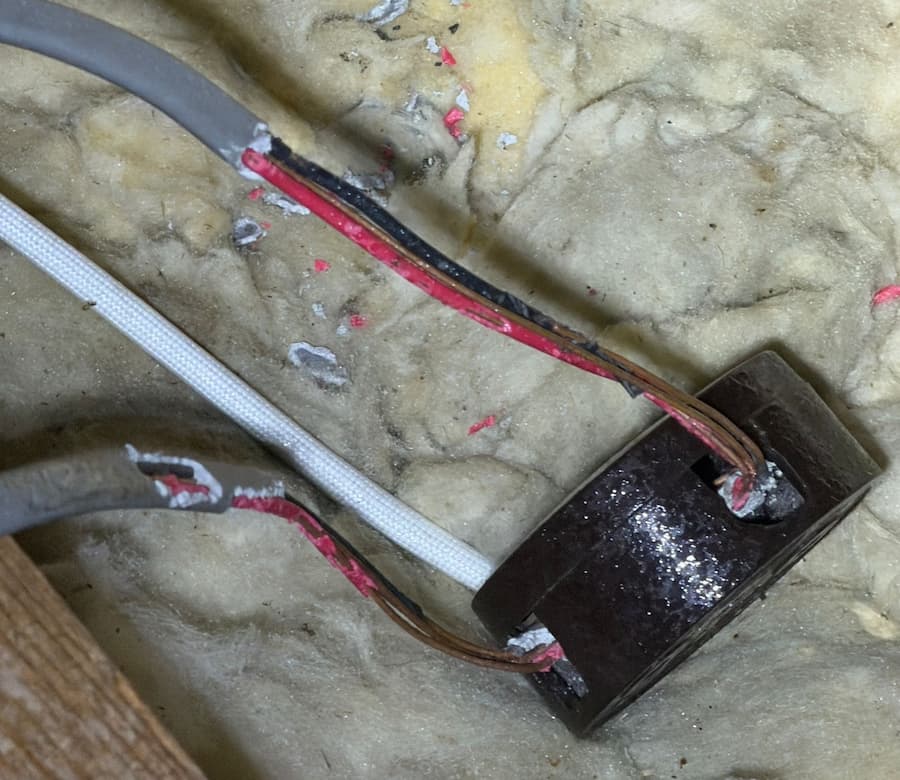
Electrical wiring damage represents the most dangerous grey squirrel behaviour. Squirrels must gnaw constantly preventing tooth overgrowth—their incisors grow approximately fifteen centimetres annually without wear from gnawing. This biological necessity means squirrels gnaw everything accessible including electrical cables running through loft spaces. They cannot distinguish electrical insulation from other gnawable materials attacking cables as readily as wooden beams. Gnawed wiring exposes live conductors creating fire risks through short circuits or arcing. Properties throughout Harrogate and Knaresborough face serious fire hazards from squirrel-damaged wiring. Electrical rewiring after squirrel damage costs five hundred to two thousand pounds depending on damage extent.
Insulation destruction occurs rapidly once squirrels establish loft territories. They shred mineral wool or other insulation materials building nests for breeding and shelter. A single breeding female can destroy several square metres of insulation within weeks creating her nest. Multiple squirrels accelerate destruction proportionally. Beyond deliberate shredding, squirrel urine and droppings contaminate remaining insulation rendering it unsuitable for continued use and creating health hazards. Insulation replacement costs eight hundred to fifteen hundred pounds for typical Harrogate properties representing substantial economic damage from pest activity.
Structural timber damage accumulates through constant gnawing on roof timbers, joists, and other wooden components. While individual gnaw sessions cause minor damage, cumulative effect over weeks or months creates significant structural concerns. Squirrels might partially gnaw through roof battens, weaken ceiling joists, or damage decorative timber features in Victorian and Edwardian properties throughout Harrogate. Timber repairs cost three hundred to eight hundred pounds typically but severe cases requiring structural work cost considerably more.
Stored possessions suffer destruction when squirrels access loft storage areas. They shred paper, fabric, and soft materials for nesting contaminating or destroying family documents, photographs, clothing, and heirlooms. Unlike quantifiable repair costs for wiring or insulation, stored item damage often involves irreplaceable sentimental losses. The Scotton property near Knaresborough discovering seventeen squirrels lost decades of family photographs and children’s keepsakes—items with modest monetary value but irreplaceable sentimental worth. This emotional damage compounds financial costs creating comprehensive harm from grey squirrel infestations.
The economic argument against tolerating grey squirrels becomes overwhelming when comparing professional removal costs against damage expenses. Professional removal costs one hundred twenty to one hundred eighty pounds eliminating infestations before serious damage occurs. Tolerating squirrels hoping they leave naturally—which they never do voluntarily from established territories—allows damage accumulating to thousands of pounds. Properties throughout Harrogate and Knaresborough should view professional squirrel removal as cost-effective damage prevention rather than discretionary expense.
Disease and Parasite Transmission Risks
Grey squirrels carry multiple diseases and parasites creating health risks for Harrogate and Knaresborough residents beyond property damage concerns. Understanding these health hazards helps property owners recognise grey squirrel control as family health protection rather than simple pest management. The diseases grey squirrels transmit range from minor irritations to serious illnesses requiring medical treatment particularly for vulnerable individuals including children, elderly, and immunocompromised persons.
Leptospirosis represents one serious bacterial disease grey squirrels carry and transmit through urine. This bacteria survives in contaminated environments infecting humans through contact with infected urine or contaminated surfaces. Loft spaces where squirrels live become heavily contaminated with urine creating exposure risks when residents access lofts for storage or maintenance. Leptospirosis causes flu-like symptoms initially but can progress to severe liver and kidney damage requiring hospitalisation. Properties throughout Harrogate with squirrel-contaminated lofts require professional sanitisation after removal eliminating bacterial contamination before safe loft use resumes.
Salmonella bacteria present in grey squirrel droppings creates another disease transmission route. Squirrels defecate randomly throughout occupied spaces rather than using specific toilet areas. Their droppings accumulate across loft floors, on stored items, and potentially fall through gaps into living spaces below. Salmonella causes severe gastrointestinal illness particularly dangerous for young children and elderly residents. The bacterial contamination requires professional cleanup ensuring complete elimination rather than simple sweeping which might spread contaminated dust.
Ticks carried by grey squirrels transmit Lyme disease to humans through bites. Grey squirrels ranging between gardens and loft spaces transport ticks into properties where they might drop off seeking new hosts including residents or pets. Lyme disease causes serious long-term health problems if untreated including joint pain, neurological symptoms, and chronic fatigue. Properties in Harrogate areas near woodland—Pannal bordering Crimple Valley, Hookstone near green spaces, or rural Knaresborough—face elevated tick risks from wildlife including grey squirrels bringing ticks into domestic environments.
Fleas infesting grey squirrels readily transfer to domestic environments biting humans and pets. Squirrel fleas differ from cat or dog fleas but bite mammals opportunistically when squirrel hosts become unavailable. Properties with squirrel infestations sometimes develop flea problems persisting after squirrel removal until professional treatment eliminates flea populations. The itching and irritation from flea bites create ongoing discomfort beyond initial squirrel problem.
Squirrelpox virus carried by grey squirrels poses no direct human health risk but devastates native red squirrel populations. Grey squirrels carry this virus asymptomatically while it proves fatal to red squirrels within days of infection. Properties throughout Harrogate and Knaresborough tolerating grey squirrels potentially harbour virus reservoirs contributing to native species decline. This disease context frames grey squirrel control as conservation measure protecting endangered native wildlife from invasive disease vectors.
Professional Grey Squirrel Control in Harrogate
Professional grey squirrel control throughout Harrogate and Knaresborough provides effective legal humane solutions protecting properties and native wildlife. Our twenty years serving both towns includes extensive grey squirrel removal experience from properties of all types from Victorian terraces to modern detached homes. We understand local squirrel behaviour patterns, common entry points in different property types, and effective control strategies ensuring permanent elimination rather than temporary relief.
Initial assessment involves comprehensive property inspection identifying squirrel activity evidence, entry points, and damage extent. We examine loft spaces where accessible, inspect external roof areas identifying gaps or damage allowing access, and discuss activity patterns with property owners understanding infestation timeline and severity. This assessment informs treatment planning ensuring appropriate control methods and realistic timelines.
Humane trapping using Kanya spring traps represents our primary control method throughout Harrogate and Knaresborough. These professional traps position on trees, roof access routes, or other locations squirrels traverse entering or exiting properties. Traps operate through spring-loaded mechanisms dispatching squirrels instantly when triggered meeting Animal Welfare Act requirements for swift humane death. We check traps during regular monitoring visits removing captured squirrels and resetting traps until activity ceases indicating complete elimination.
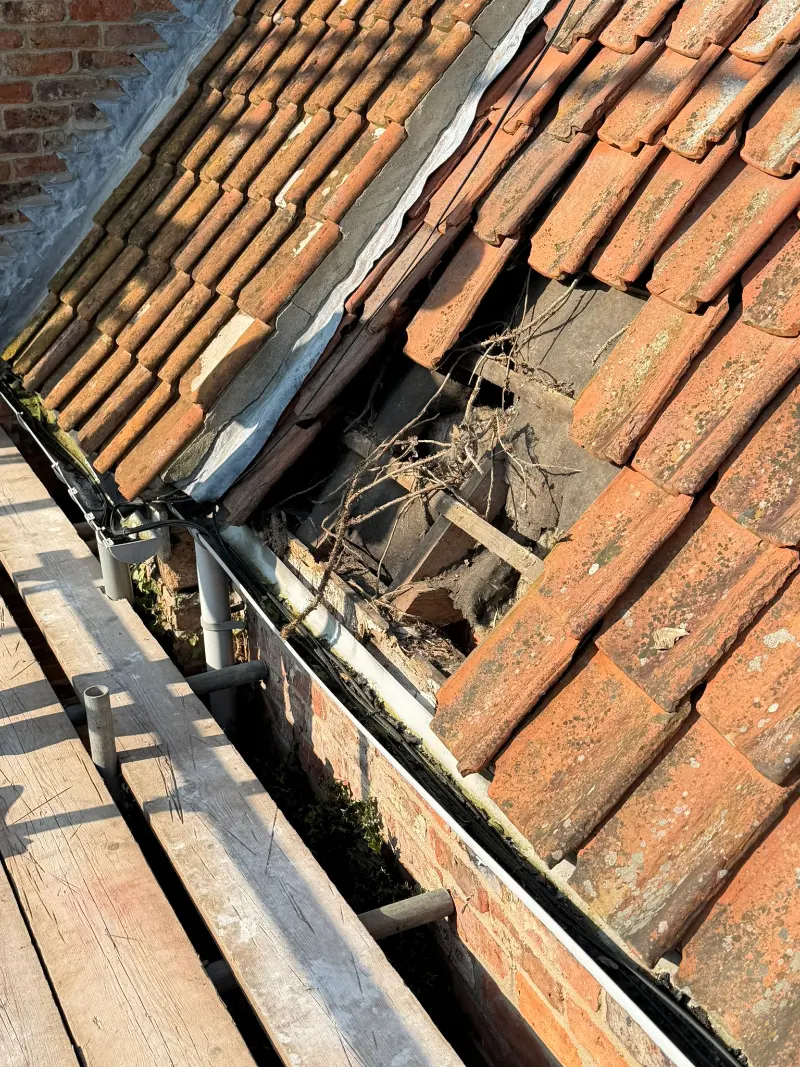
Entry point identification and sealing advice ensures permanent solutions rather than recurring infestations. We identify all routes squirrels use accessing properties including damaged soffits, gaps where rooflines meet walls, holes around chimney stacks, and damaged roof tiles. We advise on appropriate repair materials and methods preventing future access. Some properties require professional roofing contractors for complex repairs but we provide detailed guidance enabling informed decisions about necessary work.
Post-removal monitoring confirms complete elimination and identifies any remaining activity requiring additional treatment. Grey squirrel infestations typically require two to four weeks for complete elimination depending on population size and property complexity. We maintain contact throughout this period ensuring residents understand progress and any additional measures needed. Our comprehensive guarantees ensure continued service if squirrels return within guarantee periods providing complete confidence in solutions delivered.
Professional removal costs one hundred twenty to one hundred eighty pounds for standard Harrogate and Knaresborough properties including all trapping, monitoring, dispatch, and basic advice. This investment eliminates current infestations and prevents ongoing damage protecting property values and family health. Properties throughout Pannal, Hookstone, Duchy Estate, High Harrogate, Starbeck, Knaresborough town centre, Scotton, and Scriven receive same expertise and service standards ensuring all residents access professional solutions regardless of location.
If you’re experiencing grey squirrel problems in your Harrogate or Knaresborough property, understand these are invasive pests requiring control rather than charming wildlife deserving protection. Contact us today for professional assessment and humane removal protecting your property, family, and native British wildlife.
Call us now on 07951 392 424 for grey squirrel removal in Harrogate and Knaresborough, or visit our squirrel control page for more information. Don’t tolerate invasive pests causing thousands in damage—professional removal provides permanent solutions protecting everything you value.