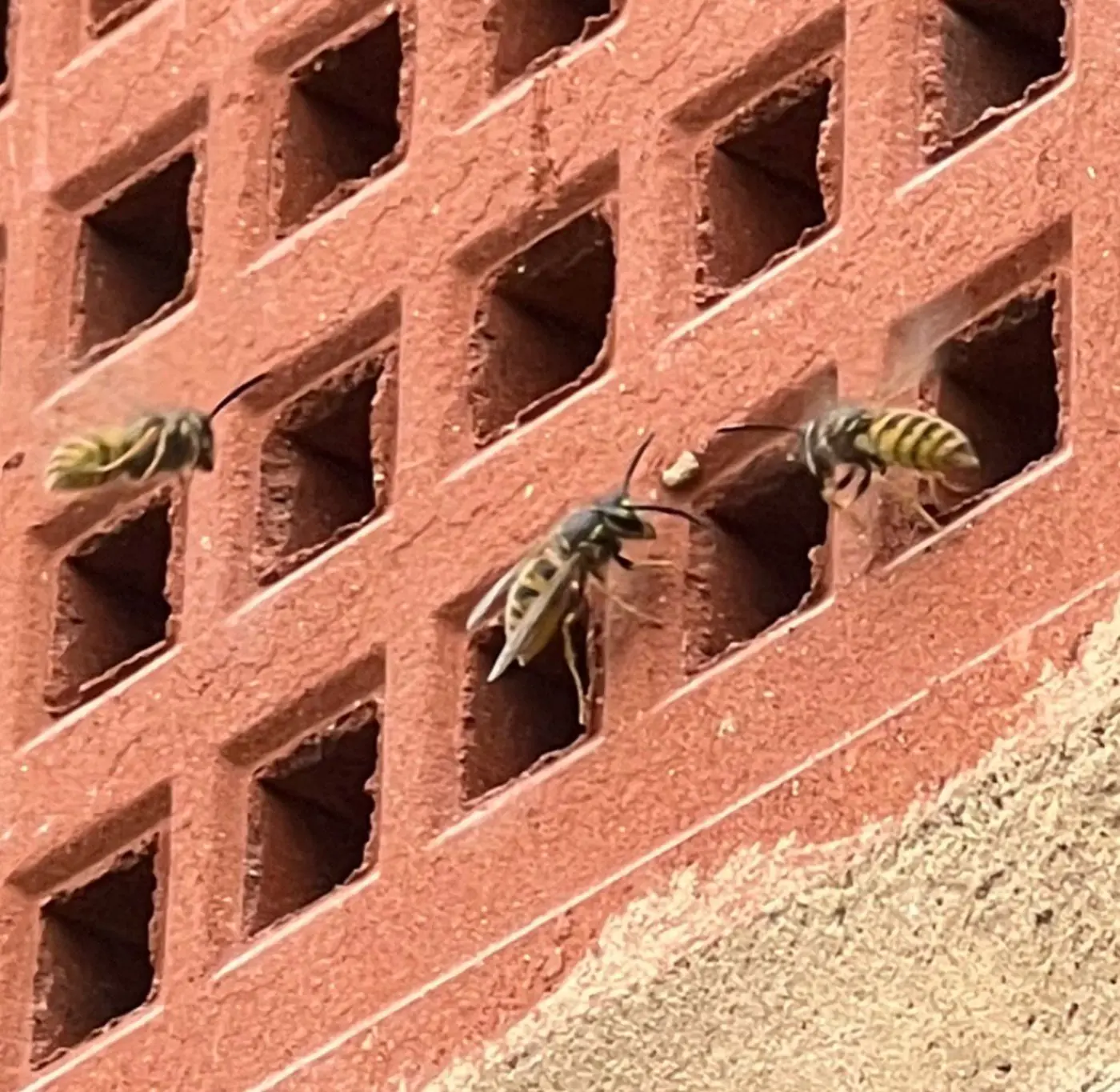
Understanding wasp season timing in Harrogate and Knaresborough helps property owners recognise when to implement prevention, when to expect problems, and importantly when to call professional removal achieving best value and safety outcomes. Wasp activity follows predictable seasonal patterns allowing residents to anticipate problems and intervene optimally rather than reacting to emergencies during peak danger periods. The 2026 wasp season throughout both towns will follow established patterns while climate conditions might affect specific timing and intensity.
This complete guide examines the 2026 Harrogate wasp season including month-by-month activity patterns from March through October, optimal intervention timing preventing summer problems, how seasonal timing affects removal costs and difficulty, why early action provides dramatically better value than late-season emergency treatment, and professional removal strategies adapted to different seasonal stages. Properties throughout High Harrogate, Low Harrogate, Starbeck, Pannal, Hookstone, Knaresborough town centre, Scotton, and Scriven can use this timing knowledge optimising their wasp management throughout 2026.
Contents
March-April: Queen Emergence and Nest Establishment
The 2026 wasp season in Harrogate and Knaresborough begins during late March and early April when overwintered queens emerge from hibernation responding to rising temperatures and increasing daylight. This critical period initiates the annual wasp cycle determining summer infestation severity. Understanding early season patterns helps property owners implement prevention and recognise optimal early intervention opportunities.
Queens spent winter hibernating in sheltered locations throughout Harrogate and Knaresborough including loft spaces, garden sheds, gaps in walls, and protected outdoor sites. When daytime temperatures consistently exceed ten to twelve degrees Celsius—typically late March through early April in North Yorkshire—hibernating queens wake becoming active. Mild spring weather might trigger emergence during early March while cold springs delay activity until mid-April. The 2026 spring forecast suggests normal to slightly early emergence timing based on temperature patterns.
Emerging queens require immediate nutrition rebuilding energy reserves depleted during hibernation months. They visit early-flowering plants, tree sap flows, and any available sugary substances during initial weeks. Properties throughout Pannal, Hookstone, and garden-rich Harrogate areas with early spring flowers might notice individual large wasps during this period. These are queens preparing for nesting rather than workers from established colonies—distinguishing queens from workers helps identify what stage wasp season has reached.
Once queens rebuild energy through feeding, they begin searching for nest locations. This scouting behaviour occurs throughout April across Harrogate and Knaresborough as queens investigate potential sites. They explore loft spaces accessing through gaps in soffits, inspect shed interiors through ventilation holes, examine wall cavities through damaged airbricks, and investigate sheltered outdoor locations in hedges or protected structures. During this investigation phase, property owners might see individual wasps repeatedly visiting specific locations—clear indication a queen is considering that site for nesting.
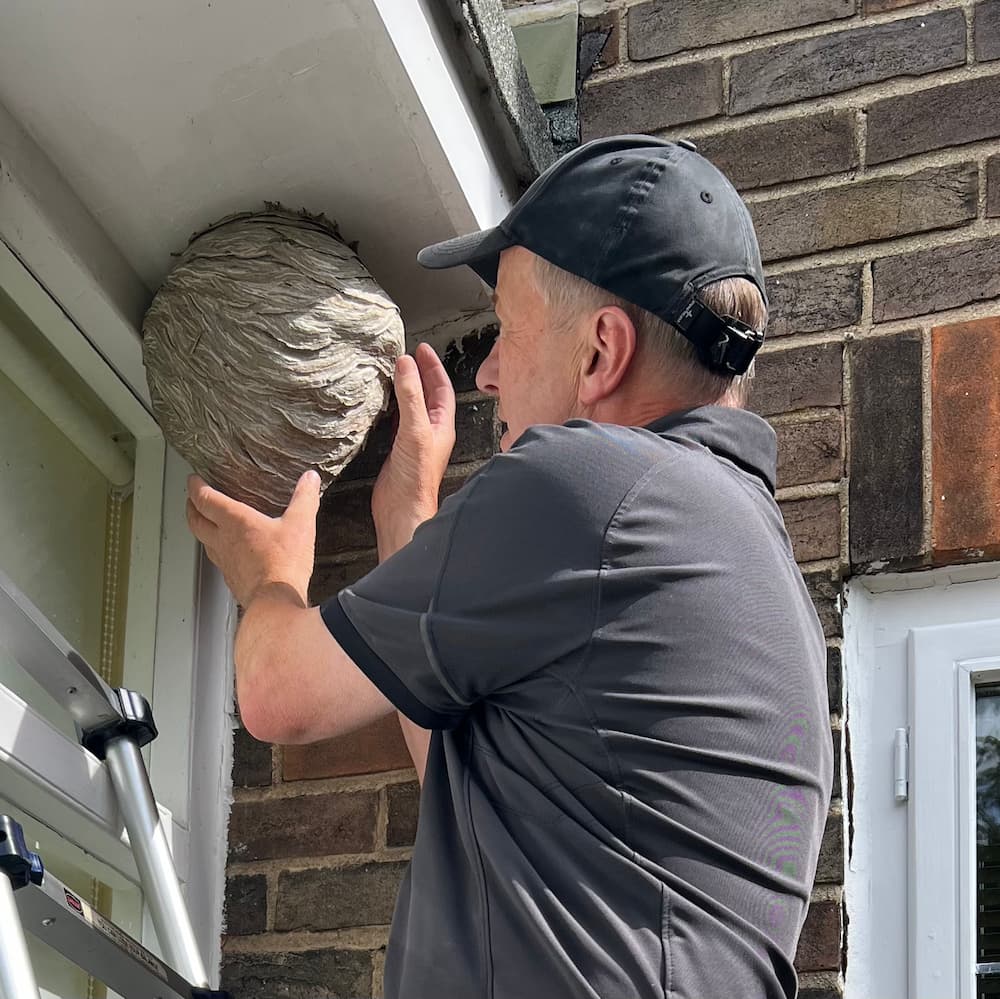
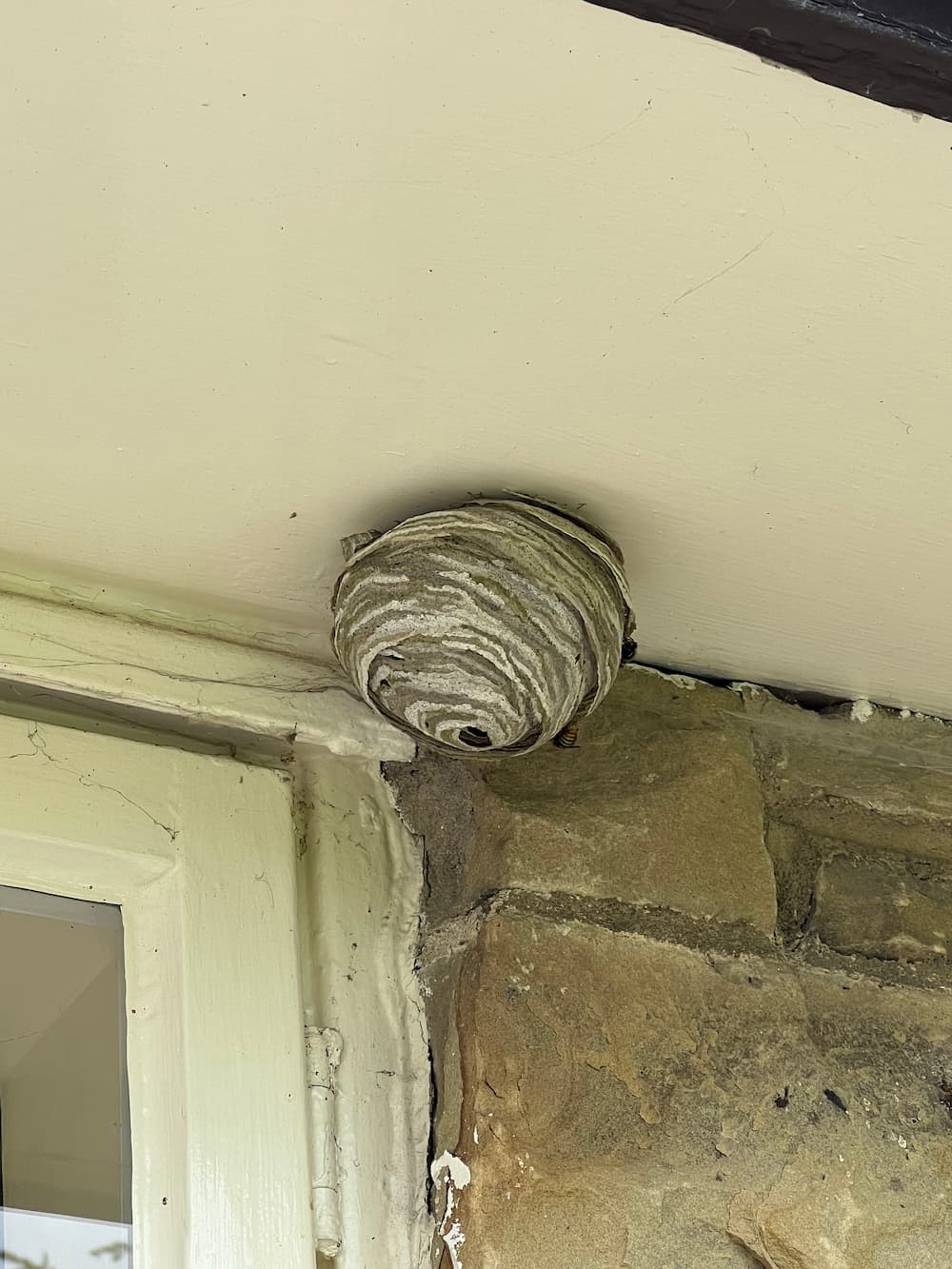
Nest building begins once queens select suitable locations. Initial nests measure golf ball size containing perhaps fifty cells where queens lay first eggs. Queens work alone during this establishment phase tending eggs and feeding emerging larvae without worker assistance. This solitary period typically lasts four to six weeks from initial building through first worker emergence. The small nest size and absence of defensive workers makes April the absolute optimal intervention period. Queens are vulnerable, nests are tiny requiring minimal treatment, and removal prevents entire summer problems.
Properties throughout Harrogate and Knaresborough implementing monthly loft and outbuilding inspections during April can detect nests at this ideal early stage. A nest discovered and removed in April eliminates the queen, prevents any worker generations developing, and costs just eighty to ninety pounds for professional removal taking approximately thirty minutes. Compare this to discovering the same nest in August when it contains thousands of wasps, requires careful dangerous removal, and has already caused months of problems—the value of April intervention becomes undeniable.
May-June: Rapid Nest Growth and First Discoveries
May marks the transition from solitary queen activity to multi-individual colonies as first worker generations emerge throughout Harrogate and Knaresborough. This period brings accelerating nest growth as workers take over building and foraging whilst queens focus exclusively on egg-laying. Understanding May-June dynamics helps residents recognise developing problems before peak season intensity.
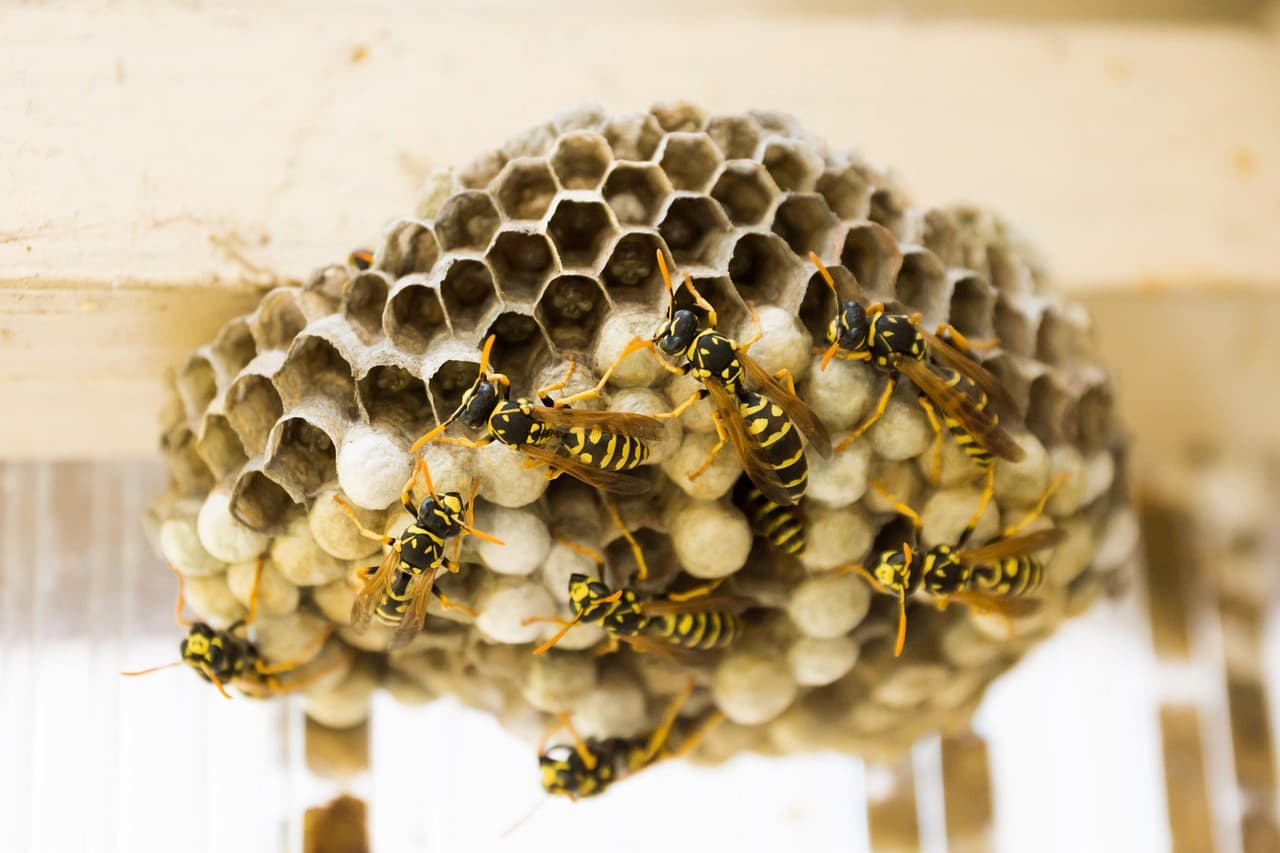
First workers emerge during May in nests established during April. These initial workers immediately begin expanding nests and foraging for food supporting additional larvae. The queen stops foraging and building focusing entirely on continuous egg-laying whilst workers handle all other colony needs. This division of labour dramatically accelerates nest growth. What measured golf ball size in April becomes tennis ball sized by late May and football sized by mid-June. Worker populations explode correspondingly—fifty workers in early May might become five hundred by month’s end.
Properties throughout Harrogate and Knaresborough start noticing increased wasp activity during May and June as growing colonies require more food resources. Wasps visit gardens more frequently, appear around bins and outdoor dining areas, and show increased traffic around nest locations. This heightened activity often represents first indication property owners have of nest presence particularly if nests occupy remote locations like distant garden sheds or loft spaces rarely accessed. The discovery of active nest during May or June indicates the nest established during April growing undetected for several weeks.
May and June offer second-best intervention timing after April’s optimal window. Nests remain manageable in size, worker populations stay moderate, and removal prevents peak season problems. Professional treatment during May typically costs eighty-five to ninety-five pounds as nests require more insecticide than April’s tiny structures but remain far less dangerous than peak season massive colonies. June removal costs similar amounts reflecting increased nest size but continued manageable risk levels.
The May-June period creates decision points for property owners discovering nests. Some residents consider waiting hoping wasps leave naturally or problems resolve spontaneously. This hope proves misguided—nests never disappear voluntarily and problems inevitably worsen throughout summer. A nest discovered in May and left untreated will grow to thousands of wasps by August creating genuine danger. Professional removal during May eliminates three months of escalating problems, prevents peak season aggression, and costs less than delayed summer intervention.
Properties in Pannal, Hookstone, and areas with large gardens should prioritise systematic garden building inspections during May. Sheds accessed for garden equipment retrieval, greenhouses entered for planting, and outbuildings checked during spring cleaning all present discovery opportunities. Finding nests during May allows removal before school summer holidays when children’s outdoor activity increases encounter risks. Family safety considerations make May-June intervention timing particularly valuable for properties with children.
July-August: Peak Season Danger and Emergency Removals
July and August represent peak wasp season throughout Harrogate and Knaresborough bringing maximum nest sizes, highest worker populations, greatest aggression levels, and most dangerous removal conditions. Understanding peak season characteristics helps residents recognise problems requiring immediate professional attention and appreciate intervention value during earlier seasonal periods.
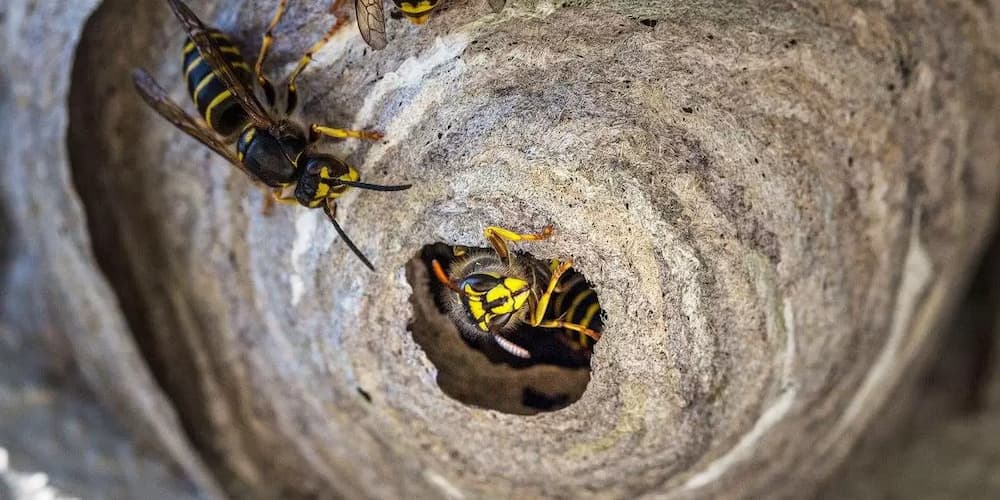
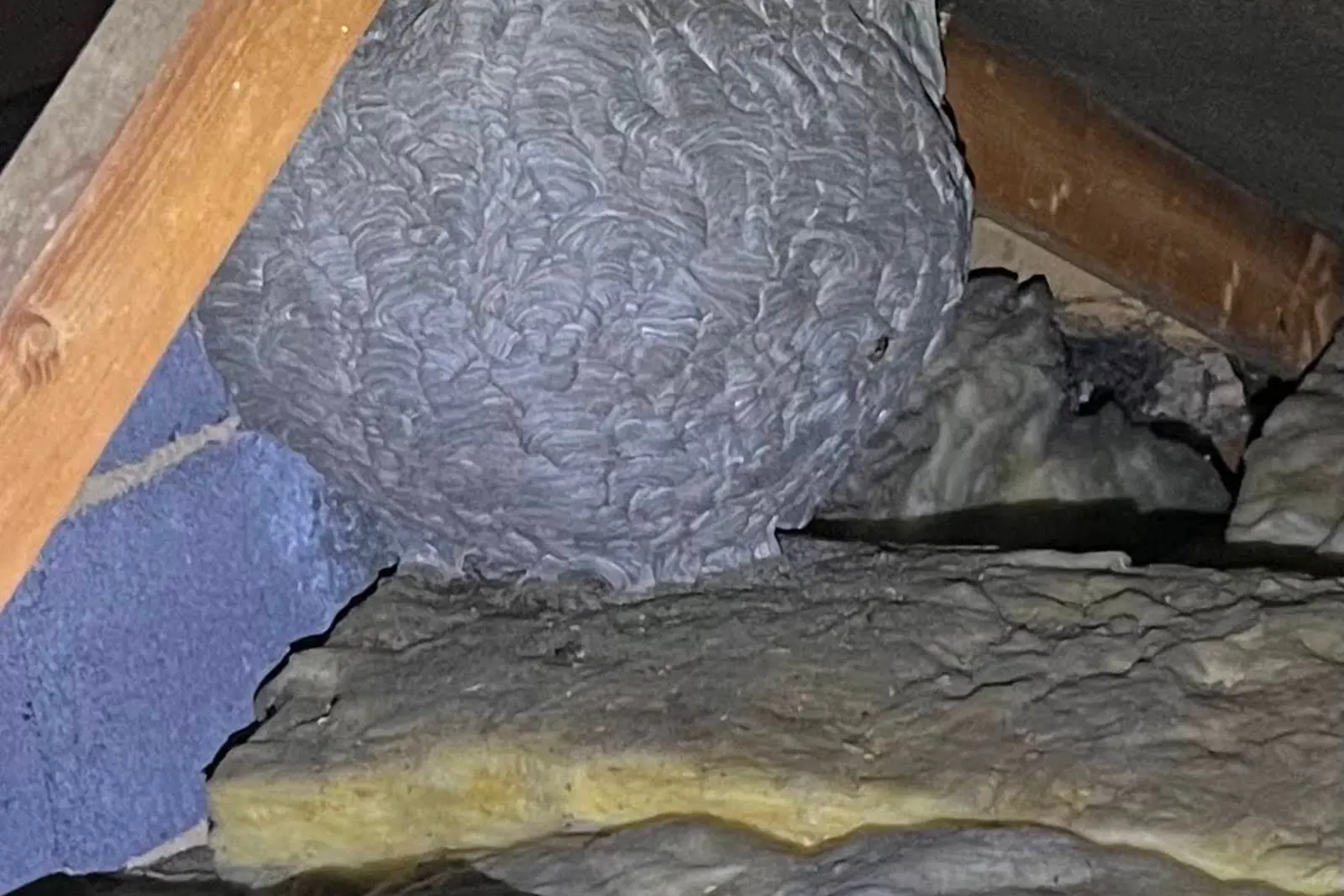
Nest populations reach maximum during July and August in established colonies. Common wasp nests might contain three thousand to five thousand workers. German wasp nests in optimal conditions can reach ten thousand individuals. These massive populations create serious danger during any nest disturbance. The defensive behaviour protecting colonies becomes extreme with hundreds or thousands of wasps capable of simultaneous attacks on perceived threats. Properties throughout Harrogate and Knaresborough discovering nests during peak season face genuine safety hazards requiring professional expertise.
Most wasp nest discoveries across both towns occur during July and August despite nests establishing months earlier. Several factors drive peak season discovery patterns. Increased outdoor activity during summer brings residents into closer contact with nest locations. Peak worker populations create obviously heavy wasp traffic making nests conspicuous. Defensive behaviour increases sting incidents prompting investigation finding nests. Garden activities like hedge trimming or shed access disturb nests triggering defensive responses revealing presence. These discovery mechanisms mean many residents remain unaware of April or May nest establishment until summer intensity makes problems obvious.
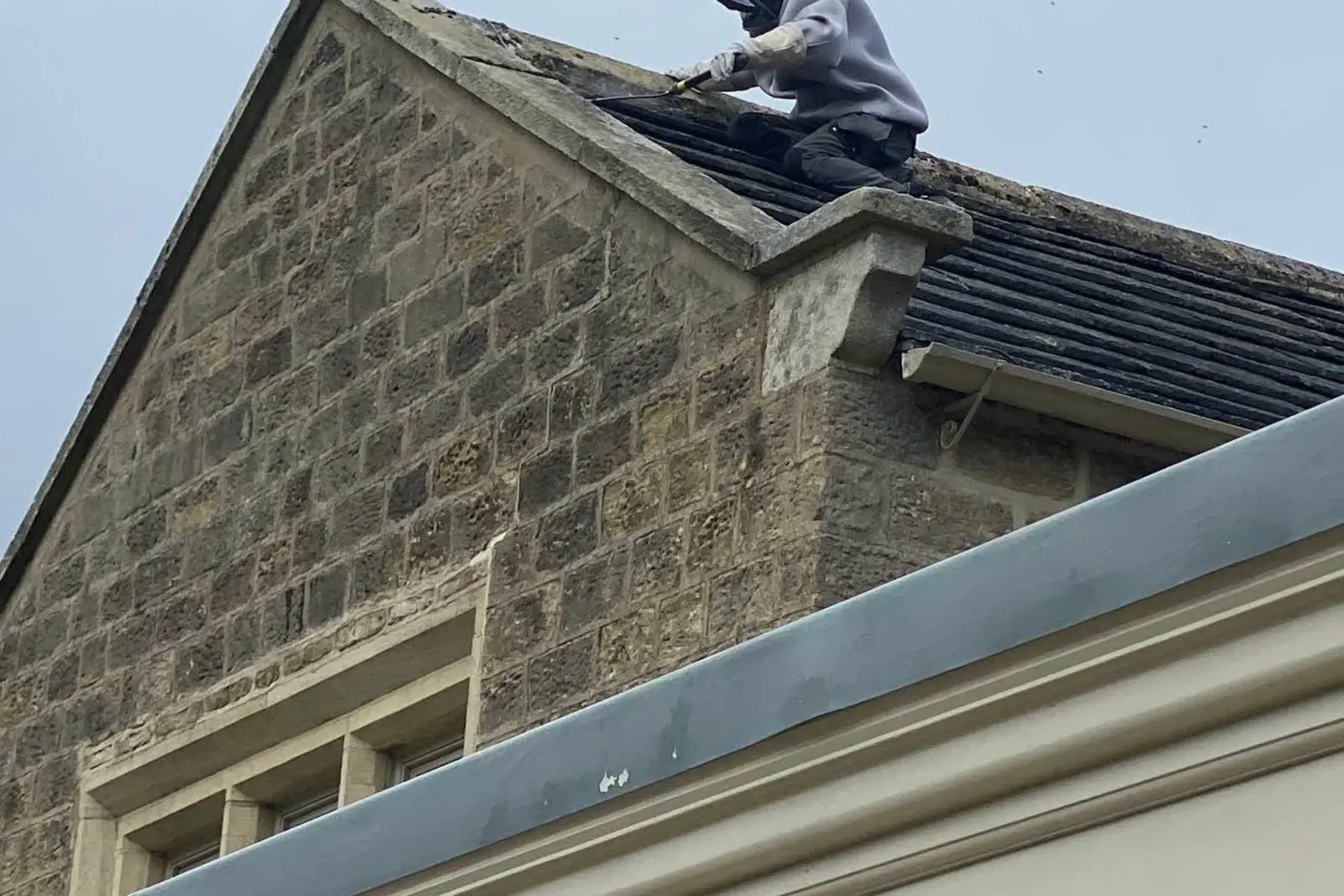
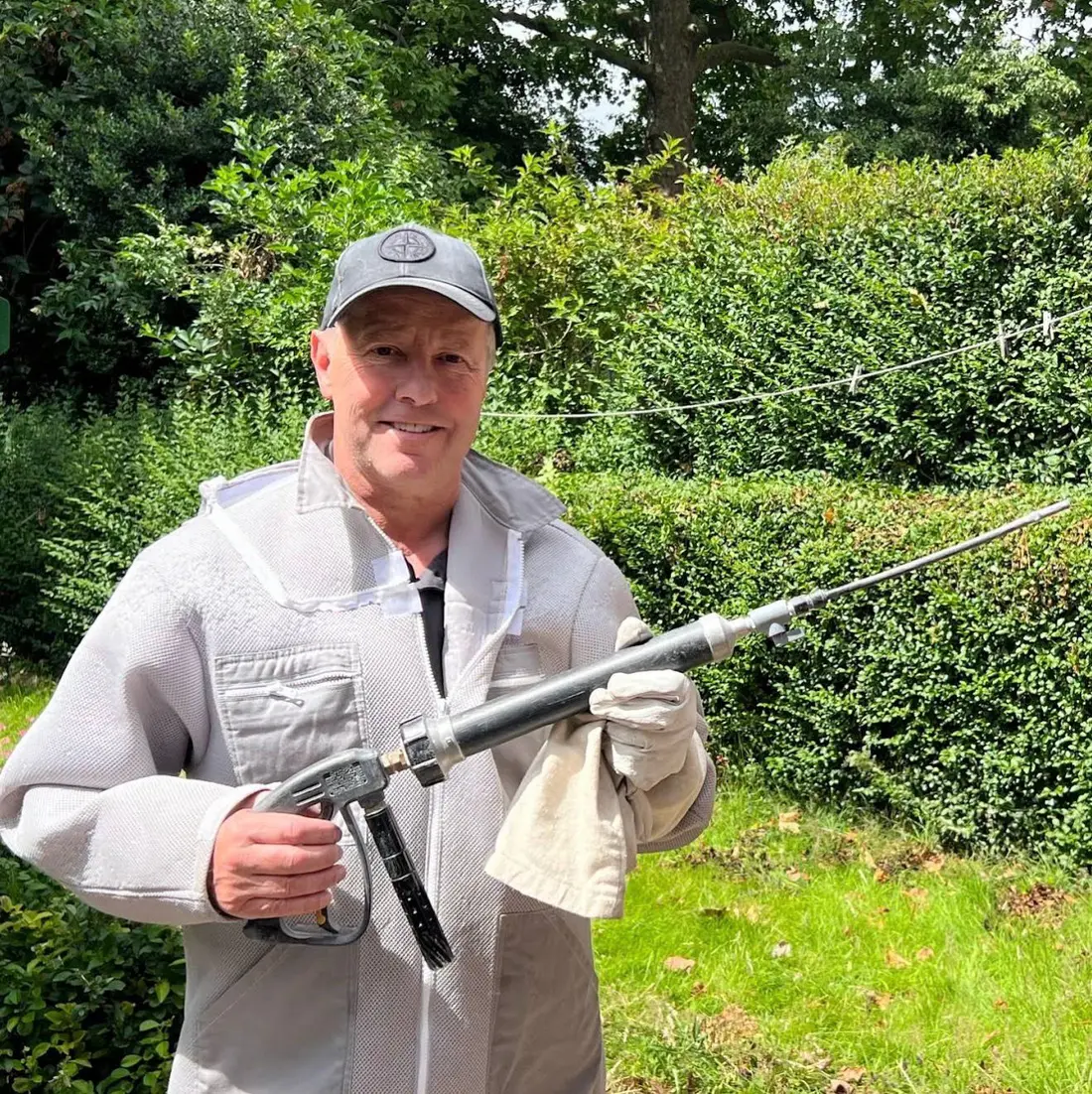
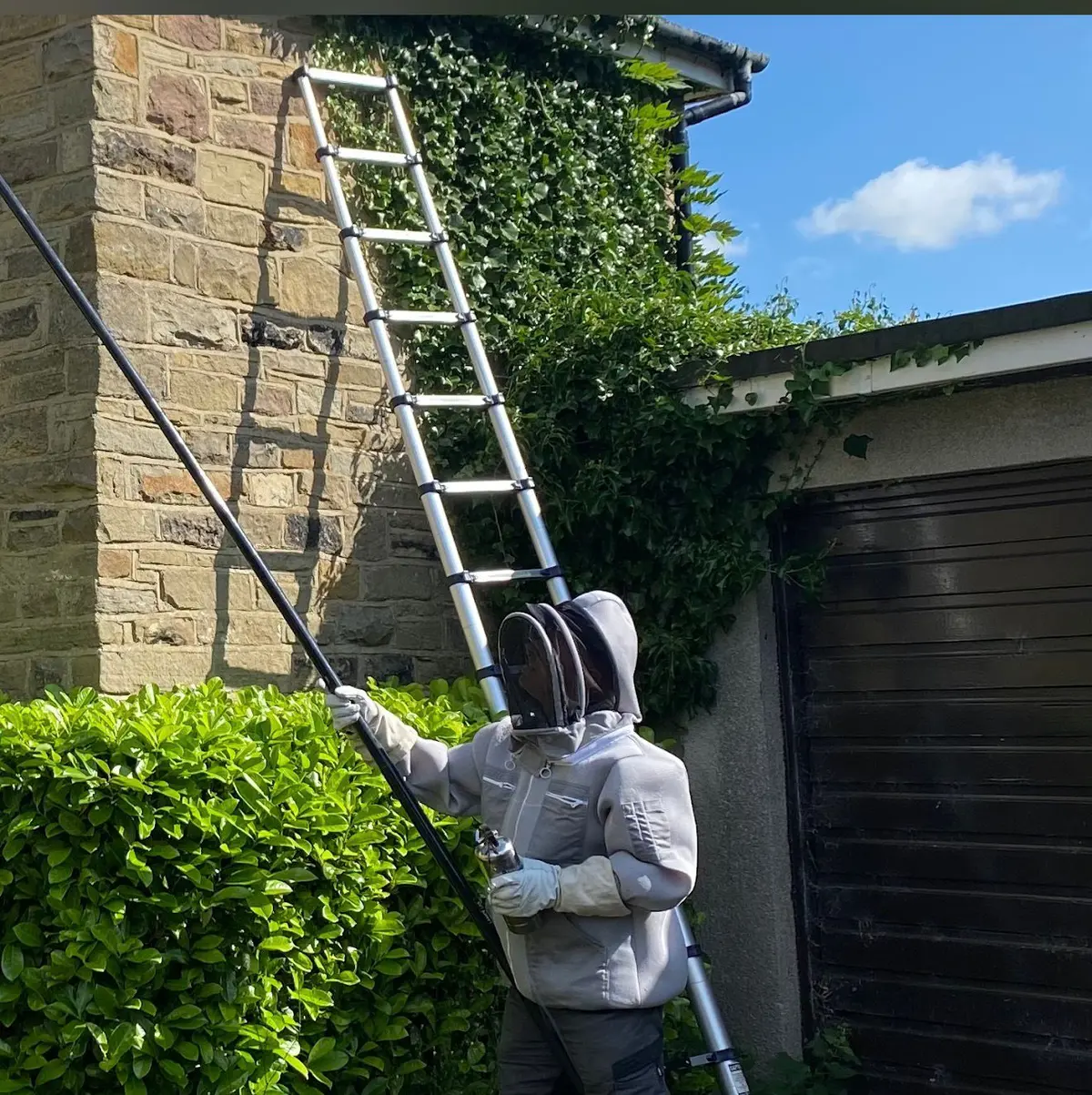
Professional removal during peak season requires enhanced safety protocols and equipment accounting for dangerous conditions. We use full protective suits preventing sting penetration, apply larger insecticide quantities ensuring colony-wide effectiveness, time treatments carefully minimising encounter risks, and sometimes recommend temporary property evacuation during treatment ensuring resident safety. These additional safety measures contribute to slightly higher peak season pricing—ninety to one hundred pounds reflecting increased danger and enhanced precautions required.
The stress and restriction peak season nests create for Harrogate and Knaresborough residents often goes unappreciated until experienced directly. A nest near a main entrance forces using alternative access routes. Nests in gardens prevent outdoor enjoyment during prime summer weather. Children cannot play in areas near nests eliminating major portions of garden use. The psychological burden of knowing thousands of aggressive wasps occupy nearby locations creates ongoing anxiety affecting daily life quality. These impacts multiply across the two to three months between peak season discovery and seasonal colony decline creating substantial quality of life reduction.
Emergency removal requests during July and August represent our busiest period requiring prompt professional response protecting families from immediate danger. We prioritise same-day service where possible for high-risk situations including nests near children’s play areas, in high-traffic property locations, or creating immediate safety concerns. The emergency nature of peak season removals contrasts sharply with routine April removal of tiny new nests illustrating timing’s dramatic impact on problem severity.
September-October: Colony Decline and Season End
September marks the beginning of natural colony decline throughout Harrogate and Knaresborough as annual wasp lifecycle reaches conclusion. Understanding late season patterns helps property owners recognise why problems persist despite approaching seasonal end and why professional removal remains valuable even as natural colony death approaches.
Queens stop producing worker larvae during September focusing instead on reproductive males and new queens for next year’s cycle. This shift eliminates worker replacement meaning existing workers begin aging without new generations maintaining population levels. Worker numbers gradually decline through September as individuals die from age and accident without replacement. However, substantial populations persist through much of September maintaining danger levels despite beginning decline.
Late season aggression actually increases during September creating paradoxical situation where declining colonies become more dangerous. Workers no longer have larvae to feed eliminating their purpose and reward within colony structure. They become attracted to sweet foods seeking sugary nutrition previously obtained from larval secretions. This attraction brings wasps to outdoor dining areas, bins, and fruit trees creating increased human encounter opportunities. The purposeless workers show heightened aggression having nothing to protect except dying colonies approaching seasonal end. Harrogate and Knaresborough residents often report September as the most troublesome wasp month despite population decline.
Professional removal during September still provides value despite approaching natural colony end. A nest discovered in early September might persist for six to eight weeks before frost kills remaining wasps. These weeks coincide with continued summer weather and outdoor activity making encounter risks substantial. Professional removal costing ninety to one hundred pounds eliminates six weeks of aggression and restriction providing immediate relief rather than enduring problems hoping for frost. Many residents regret tolerating September nests when early October mild weather extends problems beyond expected timelines.
October brings seasonal conclusion as first hard frosts kill remaining workers throughout Harrogate and Knaresborough. Early October might maintain some activity during mild weather particularly if September remained warm allowing colony persistence. Late October frosts prove fatal to workers unable to survive freezing temperatures. Only newly fertilised queens survive seeking hibernation sites for 2027 season. These queens represent next year’s problem rather than current concern.
Properties throughout both towns should complete wasp removal before September if possible avoiding late season aggression whilst eliminating problems ahead of natural decline. Discovering nests during September doesn’t justify delayed removal hoping for frost—professional treatment provides immediate relief and prevents late season encounters during remaining warm weather periods.
Optimal Timing Strategy for Harrogate Properties
Strategic timing approach for Harrogate and Knaresborough properties combines prevention, early detection, and prompt removal maximising value whilst minimising risk and cost throughout 2026 wasp season. Implementing systematic approaches ensures problems receive attention at optimal intervention points rather than emergency responses during peak danger periods.
April prevention inspections offer the highest value intervention opportunity. Monthly loft and garden building checks during April detect nests at golf ball size when removal costs eighty to ninety pounds and takes thirty minutes. Properties throughout Pannal, Hookstone, Duchy Estate, and other areas with multiple garden structures benefit enormously from systematic April inspections preventing summer problems entirely. The small time investment checking sheds, greenhouses, lofts, and outbuildings pays substantial dividends avoiding peak season emergencies.
May through June offers second-best intervention window when April inspections missed nests or new nests established. Properties discovering nests during this period should remove immediately rather than monitoring or delaying. The cost difference between May and August removal is modest but problem severity difference is dramatic. May intervention prevents three months of escalating danger whilst August discovery means enduring summer problems already occurred.
Peak season July-August requires immediate professional response to nest discoveries regardless of timing disappointment. Properties finding nests during peak season shouldn’t delay hoping for seasonal decline—professional removal provides instant relief from two to three months of remaining danger. Same-day or next-day service protects families immediately rather than enduring weeks of aggression and restriction.
Professional removal costs remain reasonable throughout 2026 wasp season ranging from eighty pounds for April tiny nests through one hundred pounds for August massive colonies. This relatively modest cost range versus problem severity difference reinforces intervention value at any discovery point. Properties throughout Harrogate and Knaresborough should never delay removal for cost concerns—even peak season hundred pound removal provides excellent value versus months of danger and stress.
If you’ve discovered wasp nests in your Harrogate or Knaresborough property during any 2026 season period, or want to implement preventive April inspections before problems develop, contact us today for professional assessment and removal.
Call us now on 07951 392 424 for wasp nest removal throughout the 2026 season in Harrogate and Knaresborough, or visit our wasp nest removal page for more information. Early detection and removal provides best value—don’t delay allowing problems escalating to peak season emergencies when simple April intervention prevents summer difficulties entirely.