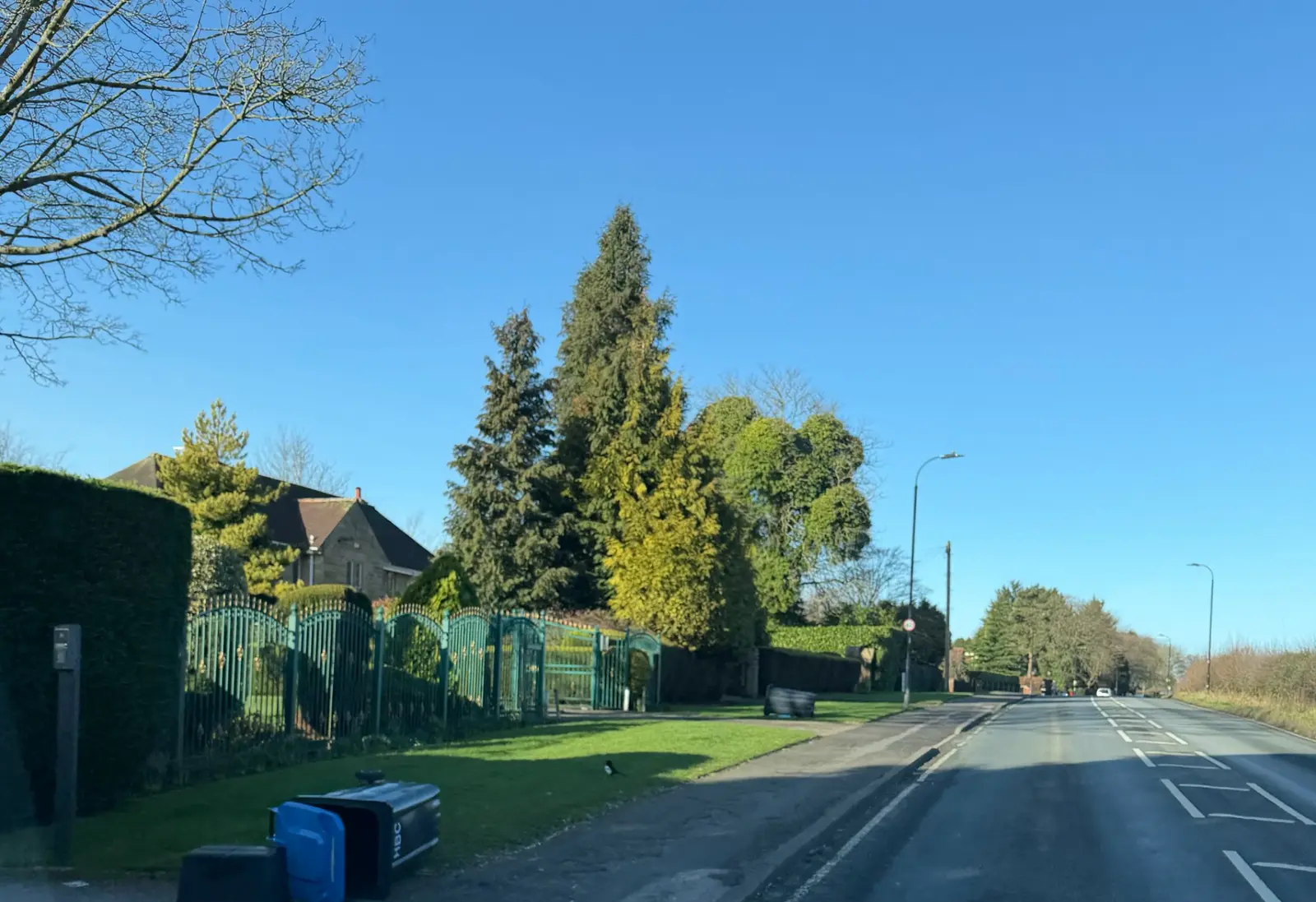
When a homeowner on Ripley Road in Scotton contacted Yor-Pest Control about squirrels in their loft, they estimated they had two or three animals causing problems. The scratching noises keeping them awake at night, combined with visible damage to loft woodwork and concerning chewing of electrical wires, suggested a straightforward squirrel control job.
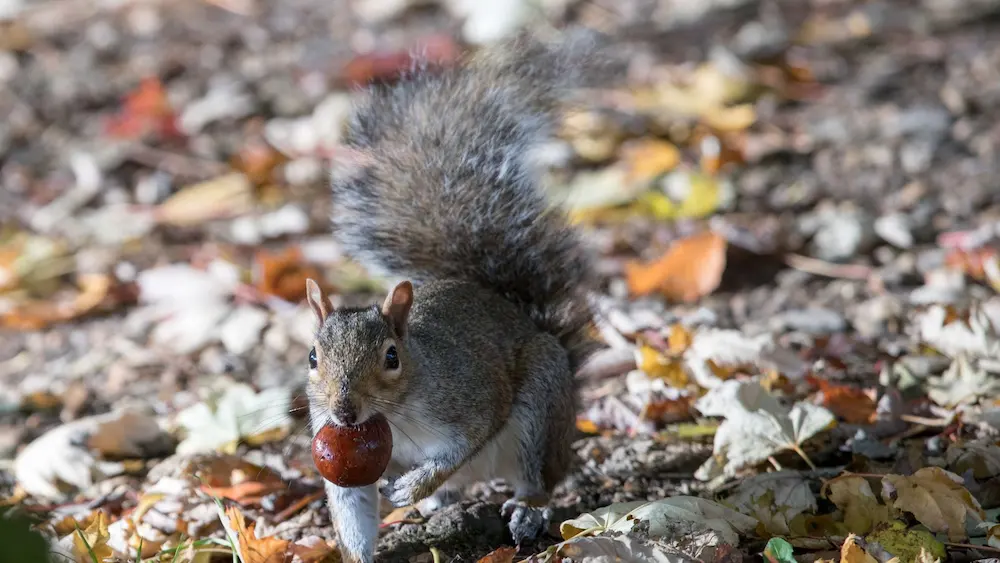
Two weeks later, we’d trapped seventeen grey squirrels.
This case perfectly illustrates why professional squirrel control in rural Knaresborough areas requires expertise, proper equipment, and realistic expectations about infestation scale. Properties near woodland—like those in Scotton, Ripley, Farnham, and Brearton—face particular challenges that homeowners often don’t fully appreciate until professionals investigate thoroughly.
Contents
- 1 The Problem: Squirrels in a Scotton Loft
- 2 Our Assessment: More Than Expected
- 3 Our Treatment Approach: Systematic Trapping
- 4 Permanent Proofing: Sealing Entry Points
- 5 Loft Sanitation: Biocide Treatment
- 6 The Result: Problem Solved Permanently
- 7 Frequently Asked Questions
- 8 Professional Squirrel Control Across Knaresborough
The Problem: Squirrels in a Scotton Loft
The property sits on Ripley Road in Scotton, a village just outside Knaresborough surrounded by mature woodland and agricultural land. These wooded areas create ideal habitat for grey squirrels, which is precisely why this area experiences higher squirrel activity than urban Knaresborough town centre.
The problems had been developing gradually over several months. Initially, the homeowner heard occasional scratching sounds in the loft during early morning hours. Grey squirrels are diurnal, meaning they’re active during daylight, so dawn activity is typical when they leave the loft to forage. As weeks passed, the noises became more frequent and louder, suggesting increased activity or more animals present.
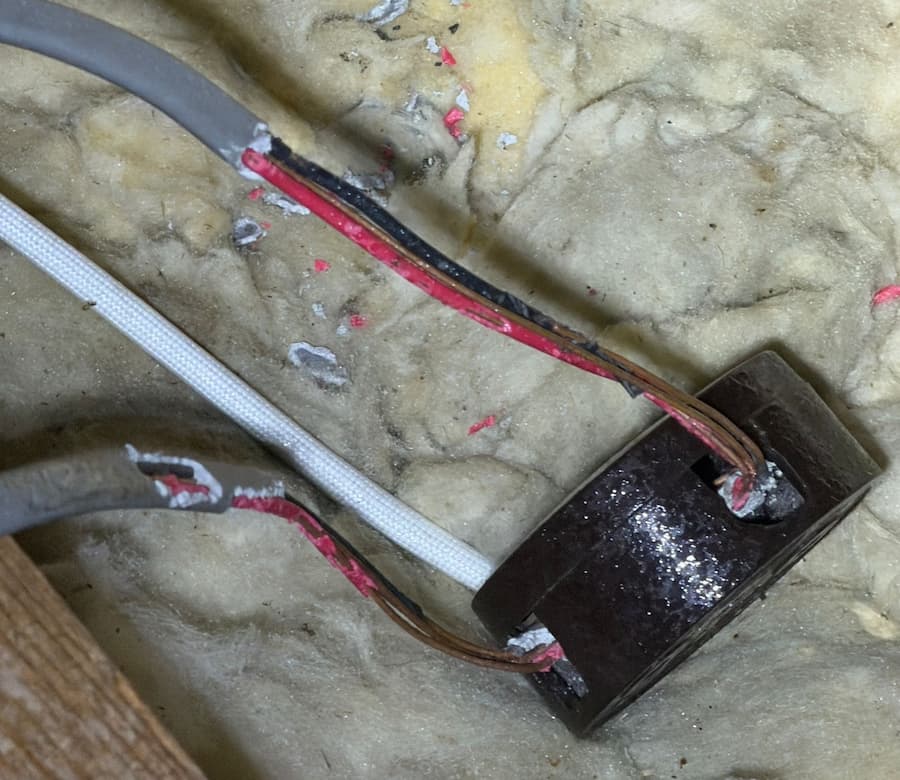
Eventually, the homeowner ventured into the loft to investigate. What they found was concerning: visible gnaw marks on wooden roof timbers, chewed electrical wiring with exposed copper visible, droppings scattered across the loft insulation, and nesting material gathered in corners made from shredded insulation and brought-in leaves.
The homeowner’s estimate of two to three squirrels seemed reasonable based on the noise levels. However, our experience with rural Knaresborough properties told us the actual numbers would likely be significantly higher.
Why Squirrels Cause This Damage
Understanding squirrel behavior explains why they’re so destructive in loft spaces. Grey squirrels have incisor teeth that grow continuously throughout their lives, growing approximately six inches per year. To prevent their teeth becoming too long, squirrels must constantly gnaw on hard materials to wear them down.
In a loft environment, this biological necessity becomes extremely problematic. Squirrels will chew wooden beams and rafters, electrical wiring creating serious fire risks, water pipes that can burst and cause flooding, plastic vent covers and insulation, and stored items including boxes and furniture.
The electrical wiring damage is particularly concerning. Exposed copper wire from squirrel gnawing can cause short circuits, create sparks that ignite loft insulation, trip electrical safety switches repeatedly, and potentially start house fires.
Our Assessment: More Than Expected
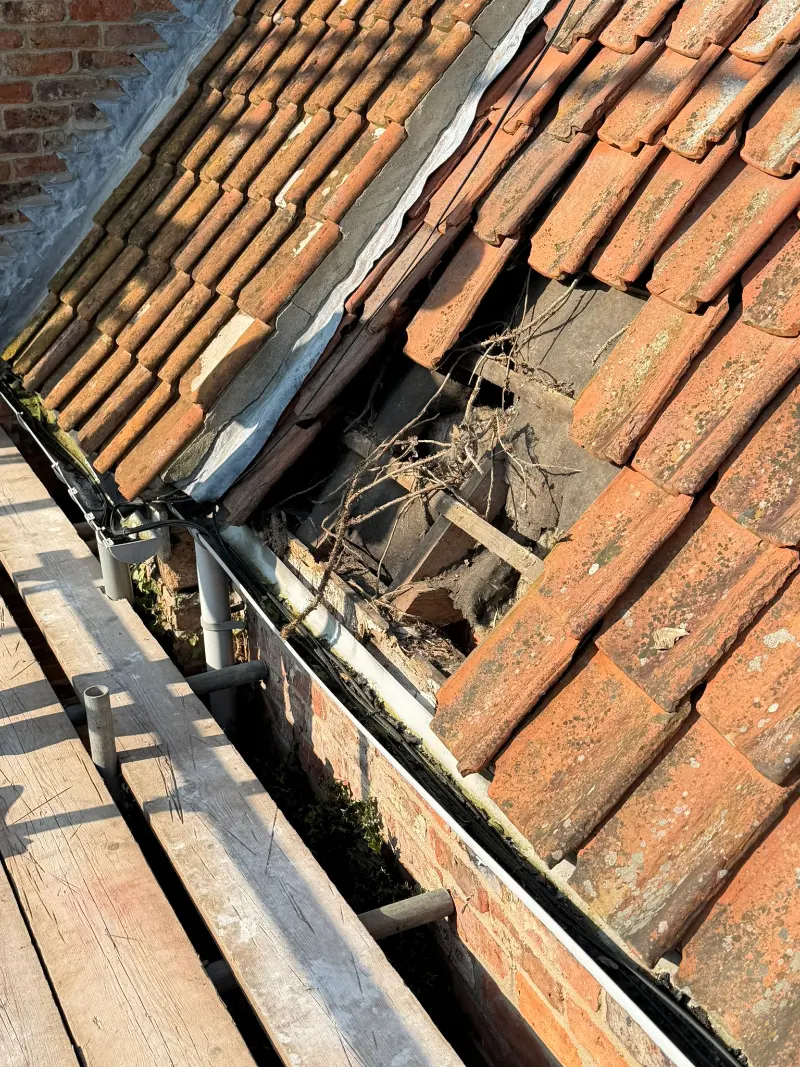
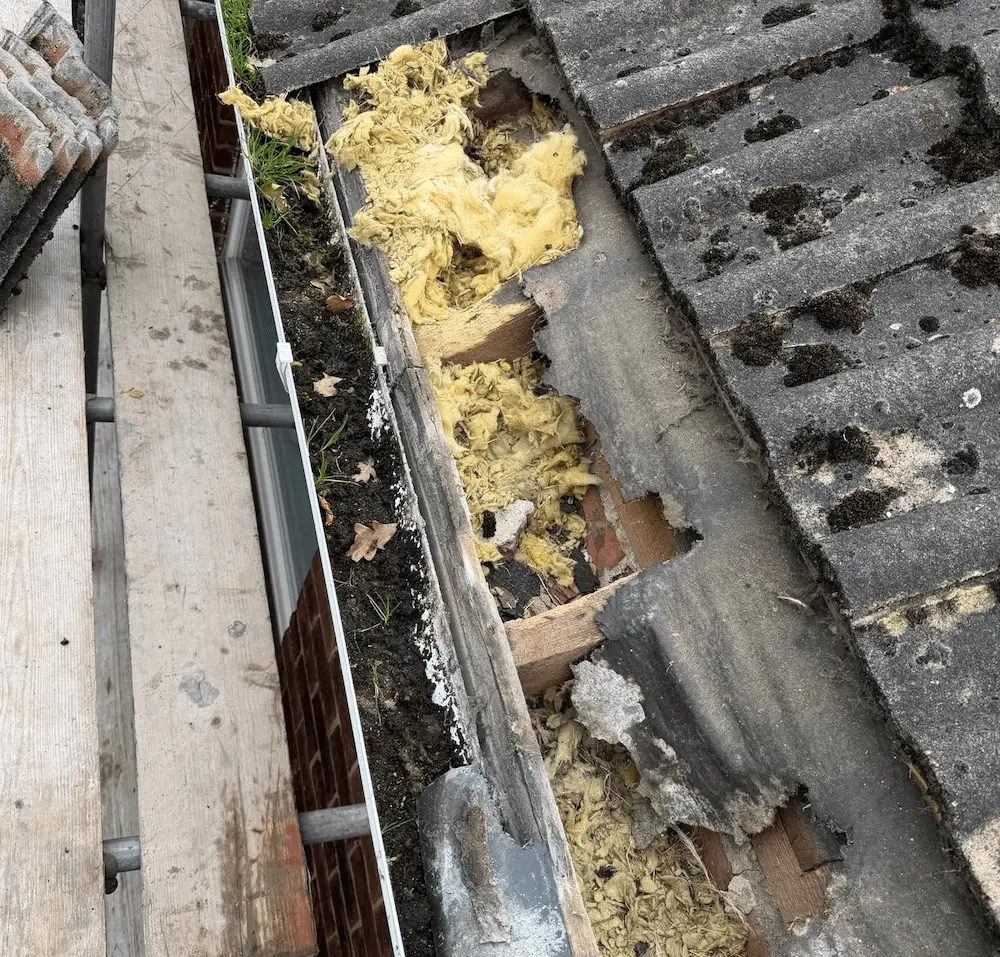
When we arrived at the Ripley Road property, our initial external inspection immediately suggested a larger problem than the homeowner anticipated. The property backs onto mature woodland, which meant high squirrel population density in the immediate area. Multiple potential entry points were visible around the roofline including gaps where fascia boards had separated slightly, damaged soffit panels with holes approximately 50mm across, and gaps around the roof where tiles had slipped.
Inside the loft, the evidence confirmed significant activity. The volume of droppings suggested multiple animals present over an extended period. Multiple nesting areas in different corners indicated several squirrels had taken up residence, not just a breeding pair. The pattern of damage showed well-established routes across beams, suggesting regular traffic over many weeks.
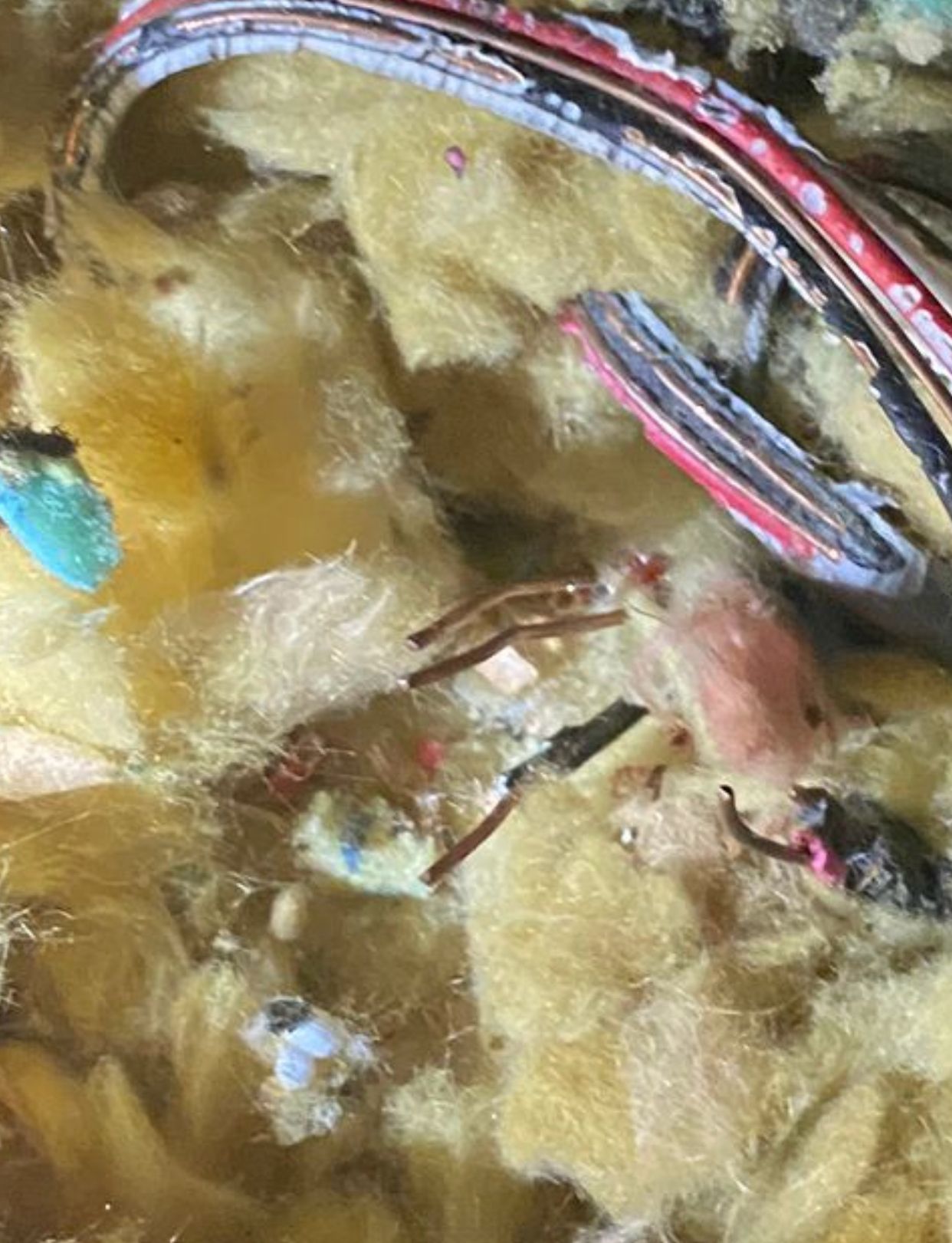
Most tellingly, we found what we call “squirrel highways”—specific routes worn into loft insulation where multiple animals had travelled repeatedly. When you see these distinct paths, you know the infestation involves more than just a couple of squirrels.
The Scotton and Knaresborough Context
This area’s particular characteristics made a large squirrel population almost inevitable. Ripley Road borders significant woodland that provides ideal squirrel habitat with abundant food sources including acorns, beech nuts, and tree seeds. Properties in Scotton, Ripley, Farnham, and Brearton all experience similar squirrel pressure due to proximity to these wooded areas.
Grey squirrels travel considerable distances when foraging. A single squirrel’s territory can span three to five miles, meaning squirrels from across a wide area potentially access any property that offers attractive nesting opportunities. Once one squirrel discovers a loft entry point, others inevitably follow because squirrels communicate through scent marking. Every squirrel that enters leaves pheromone trails that effectively advertise “safe shelter here” to other squirrels in the area.
Our Treatment Approach: Systematic Trapping
Based on our assessment, we recommended a comprehensive trapping program rather than attempting to seal entry points immediately. Sealing squirrels inside the loft would be inhumane and illegal, while sealing them out when some are away foraging would result in determined animals creating new entry points to reach their nests.
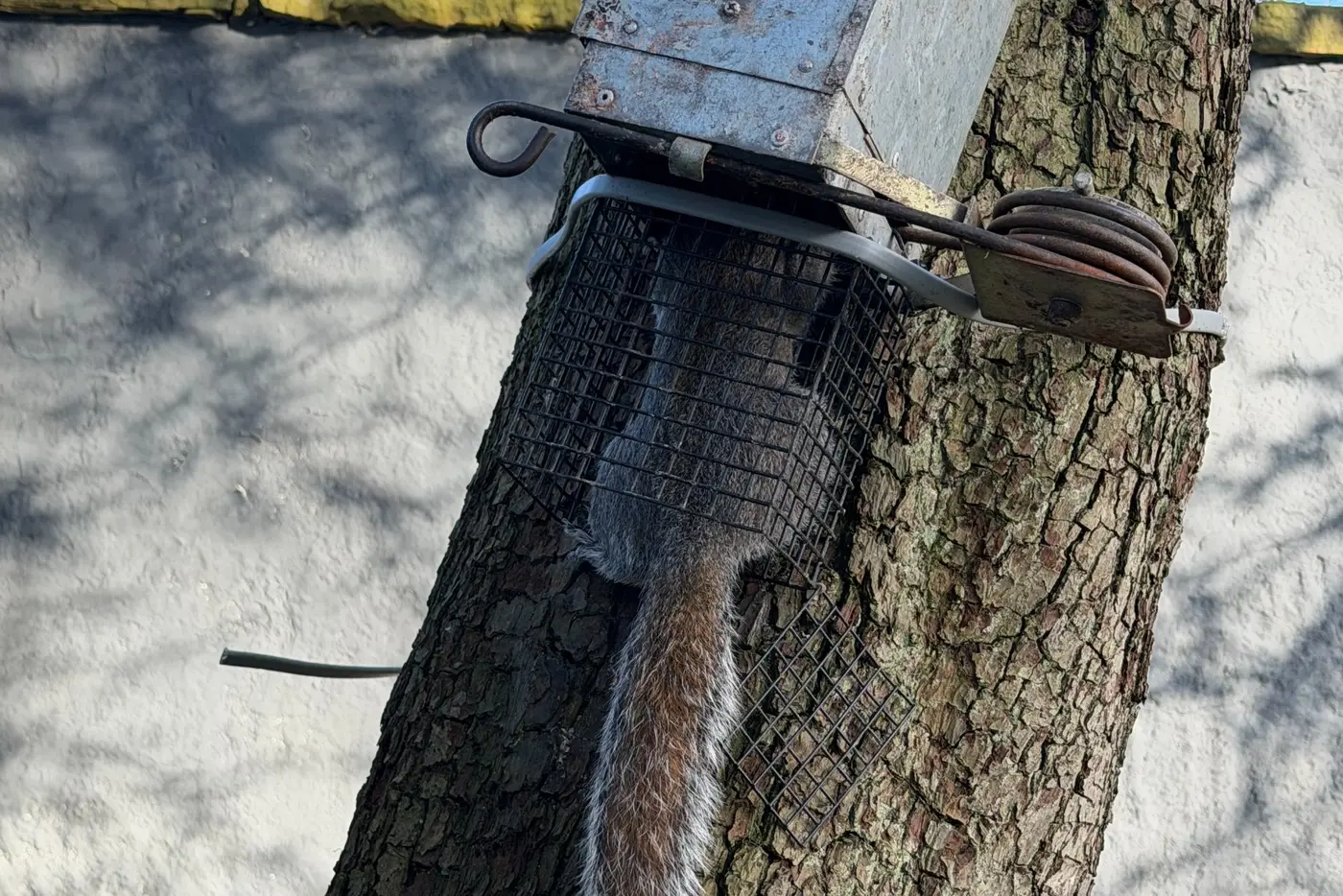
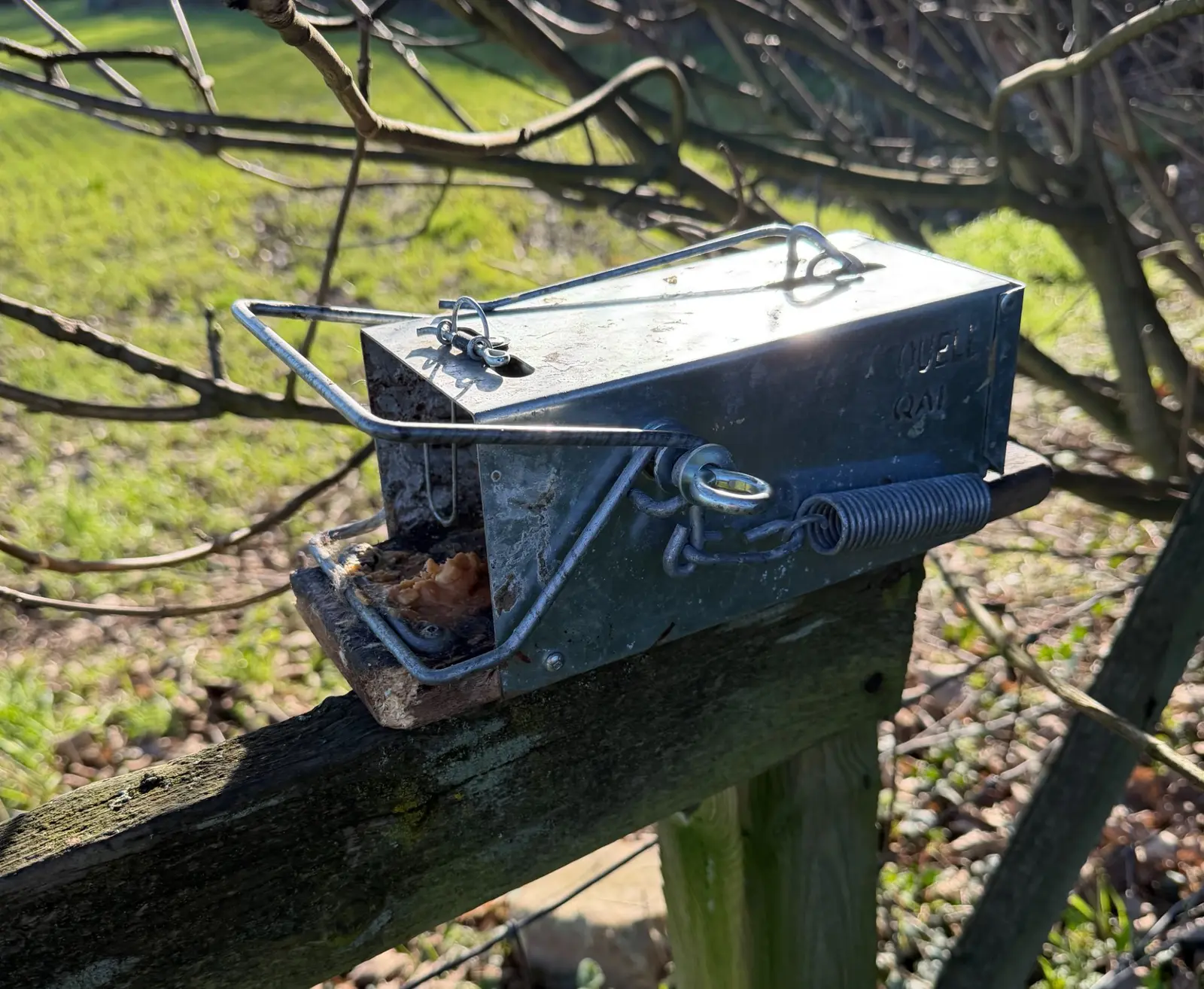
American Kanya Traps
We use American Kanya traps for grey squirrel control. These professional-grade cage traps are specifically designed for squirrel work and significantly more effective than general-purpose traps. The traps feature squirrel-specific trigger mechanisms that respond to the weight and movement patterns of grey squirrels, sensitive plates positioned to catch squirrels as they investigate the bait, and robust construction that withstands repeated use and weather exposure.
Strategic Trap Placement
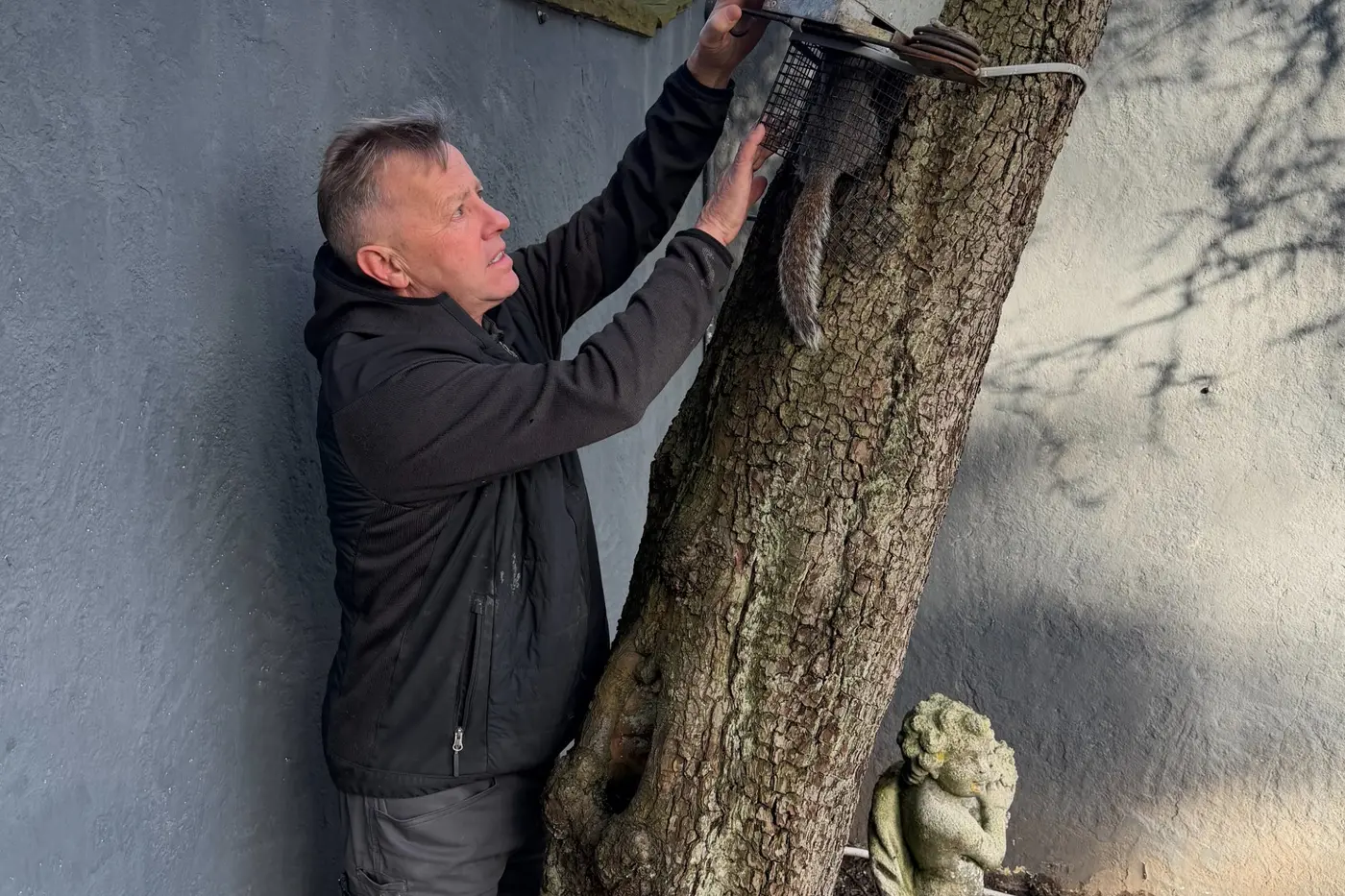
Successful squirrel trapping requires understanding their behavior and movement patterns. We positioned traps directly on tree trunks in the garden rather than on the ground because squirrels are arboreal and naturally travel through trees. They’re far more likely to investigate and enter traps positioned on their normal travel routes.
We set multiple traps around the property, focusing on trees closest to the house where squirrels would naturally approach the building, large mature trees providing highways between woodland and the property, and positions offering clear sight lines for monitoring.
The traps were baited with peanuts and hazelnuts, which grey squirrels find irresistible. Unlike poison which we don’t use for squirrel control, trapping allows us to verify exactly how many animals we’re dealing with and ensures humane dispatch in accordance with legal requirements.
Two Weeks of Intensive Trapping
Over the following two weeks, we visited the property every other day to check traps, re-bait as necessary, and reset after catches. The results exceeded even our experienced expectations. The first visit yielded three squirrels, confirming the homeowner’s initial estimate. However, that was just the beginning. Subsequent visits caught two more, then another three, followed by consistent catches of one to three squirrels per visit.
The final tally was seventeen grey squirrels trapped over two weeks. This number shocked the homeowner but didn’t surprise us. Properties in wooded areas around Knaresborough regularly harbor larger squirrel populations than residents realize.
Why So Many Squirrels?
Several factors explained the large number. The scent trail effect meant the first squirrels to discover the loft entry point left pheromone markers that attracted others. Grey squirrels follow these scent trails religiously.
The property’s location near extensive woodland meant high baseline squirrel population density in the surrounding area. The wooded areas around Scotton, Ripley, and rural Knaresborough support large grey squirrel populations, far more than urban areas can sustain.
The entry points had been accessible for months, potentially longer. The homeowner hadn’t noticed initial activity, so squirrels had plenty of time to establish themselves and attract others. The loft offered excellent conditions with good insulation providing warmth, multiple nesting spots in different areas, and no natural predators once inside.
Permanent Proofing: Sealing Entry Points
With all squirrels removed and daily trap checks confirming no new activity, we moved to the critical proofing phase. Simply removing squirrels without sealing entry points guarantees they’ll return.
Professional Proofing Materials
We use galvanised steel wire mesh combined with cement for squirrel proofing because these materials provide the only truly effective long-term barrier. Squirrels can chew through wood, plastic, expanding foam, aluminum mesh, and even lead flashing given enough time and determination. Galvanised steel mesh with cement creates a barrier they cannot penetrate.
Our proofing work addressed every identified vulnerability. Gaps where fascia boards had separated were filled with cement and backed with steel mesh. Damaged soffit panels were replaced with new boards and all edges sealed with mesh. Areas where roof tiles had slipped were repositioned and the gaps underneath sealed. Ventilation requirements were maintained by installing properly meshed vent covers that allow airflow while excluding squirrels.
The proofing is permanent and guaranteed. Unlike temporary solutions that squirrels can eventually breach, properly installed steel mesh and cement will outlast the building itself.
Loft Sanitation: Biocide Treatment
With squirrels removed and entry points sealed, the final critical stage was comprehensive loft cleaning and treatment. This step is often overlooked in amateur squirrel control attempts, but it’s essential for health and safety.
Why Biocide Treatment is Necessary
Grey squirrels carry numerous pathogens in their droppings and urine that can cause serious health issues for humans. These include leptospirosis bacteria that can cause Weil’s disease, salmonella leading to severe gastroenteritis, and various parasites including roundworm. Their droppings also harbor fungal spores that become airborne when disturbed, potentially causing respiratory problems.
Squirrels additionally carry external parasites including fleas that can infest the property and bite humans, ticks that may carry Lyme disease, mites causing skin irritation, and lice that can establish in household fabrics.
Professional biocide treatment addresses all these hazards. We applied hospital-grade biocide solution to all loft surfaces including contaminated insulation, wooden beams and rafters where squirrels had walked, and any areas with visible droppings or urine staining. The biocide kills pathogens including bacteria, viruses, fungi, and parasite eggs.
Following biocide treatment, we applied professional insect control spray throughout the loft. This eliminated any fleas, mites, or other parasites left behind by the squirrels. Without this treatment, these parasites can migrate into the living areas of the property, creating ongoing problems for residents.
We also removed heavily contaminated insulation sections and replaced them with new material. Squirrel urine soaks into insulation, creating permanent odor and hygiene issues that cleaning cannot fully resolve.
The Result: Problem Solved Permanently
The comprehensive treatment achieved complete resolution. No squirrel activity has been detected since completion, confirmed by follow-up inspections. The homeowner reports sleeping peacefully without scratching noises disturbing them. Electrical safety has been restored with all chewed wiring repaired by a qualified electrician. The loft is clean, sanitized, and safe to access without health concerns. The permanent proofing guarantees squirrels cannot return.
The investment in professional treatment provided value through thorough removal of all seventeen squirrels rather than just a few, permanent proofing that won’t require repeated treatments, professional sanitation protecting family health, and peace of mind that the problem won’t recur.
Frequently Asked Questions
How many squirrels typically infest a loft in Knaresborough?
Homeowners usually underestimate squirrel numbers significantly. In areas near woodland like Scotton, Ripley, and rural Knaresborough, what seems like two to three squirrels often turns out to be ten to twenty or more. Squirrels follow scent trails left by others, so one entry point can attract many squirrels over time. Properties bordering woodland regularly harbor double-digit squirrel populations that residents don’t realize exist until professional trapping reveals the true scale.
Why do squirrels chew wires and woodwork in lofts?
Squirrels must constantly chew to keep their teeth sharp and prevent them growing too long. Their incisor teeth grow continuously throughout their lives, approximately six inches per year. Without regular gnawing, their teeth would grow so long they couldn’t eat. In lofts, they chew electrical wiring creating fire risks, wooden beams causing structural damage, water pipes that can burst, and insulation reducing its effectiveness. This isn’t malicious behavior—it’s biological necessity that unfortunately causes expensive damage.
What are American Kanya traps and why use them for squirrels?
American Kanya traps are professional-grade cage traps specifically designed for grey squirrel control. They’re highly effective because they’re positioned on trees where squirrels naturally travel rather than on the ground where squirrels are more cautious, use trigger mechanisms calibrated specifically for squirrel weight and movement, and allow humane capture without harm to non-target wildlife. We position multiple traps simultaneously to catch the entire colony efficiently.
Why is loft biocide cleaning necessary after squirrel removal?
Squirrels carry numerous pathogens in their droppings and urine that can cause serious health issues including leptospirosis, salmonella, and various parasites. They also carry fleas, ticks, mites and other parasites that can infest the property and affect human residents. Professional biocide treatment kills these pathogens and parasites, making the loft space safe to access. We also apply insect control spray to eliminate any remaining pest insects. Without this professional sanitation, the loft remains a health hazard even after squirrels are removed.
How far do grey squirrels travel in Knaresborough areas?
Grey squirrels regularly travel three to five miles when foraging for food. In areas like Scotton, Ripley, and Farnham near Knaresborough with connected woodland and mature gardens, squirrels move freely across large territories. This is why properties near woods experience higher squirrel pressure and why multiple squirrels often discover the same loft access point. A single property’s loft might attract squirrels from across several square miles of surrounding area.
Professional Squirrel Control Across Knaresborough
This Ripley Road case demonstrates what comprehensive professional squirrel control involves. It’s not simply trapping a few animals—it requires understanding squirrel behavior and population dynamics, using appropriate professional equipment positioned correctly, achieving complete removal through systematic trapping, permanent proofing with materials squirrels cannot breach, and professional sanitation addressing health hazards.
If you’re experiencing squirrel problems in Scotton, Ripley, Farnham, Brearton, or anywhere around Knaresborough, don’t underestimate the scale of the challenge. What seems like a couple of noisy squirrels may well be a substantial infestation requiring weeks of work to resolve properly.
Contact Yor-Pest Control for Squirrel Problems
Experiencing squirrel issues in Knaresborough or surrounding villages? We provide comprehensive squirrel control including professional-grade trapping with American Kanya traps, permanent proofing using galvanised steel and cement, complete loft biocide treatment and sanitation, insect control for squirrel-borne parasites, and follow-up inspections confirming complete resolution.
Call us now on 07951 392 424 for professional squirrel control in Knaresborough, Scotton, Ripley, Farnham, Brearton, and all HG5 postcode areas.
Visit our main Knaresborough pest control page for more information, or get in touch today to discuss your squirrel problem.