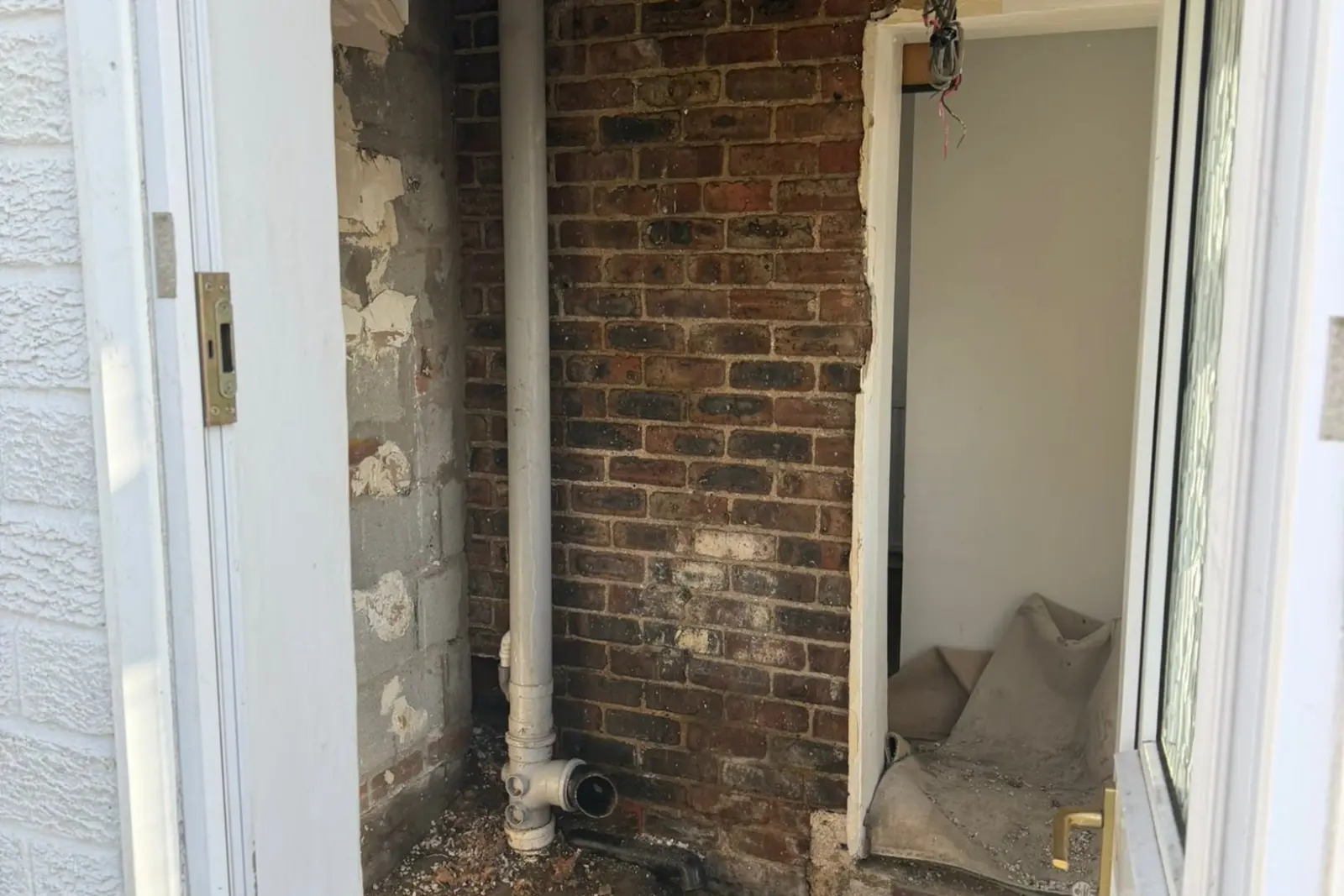
Rat problems in Harrogate and Knaresborough often originate from an unexpected source property owners rarely consider—their own drainage systems. While most residents recognise obvious rat entry points like holes in walls or damaged airbricks, few realise that Victorian drainage infrastructure throughout both towns provides direct highways from sewer systems into properties. Understanding how drainage rats access Harrogate homes and the professional solutions addressing these problems helps property owners achieve permanent elimination rather than temporary relief.
This comprehensive guide examines drainage-based rat infestations in Harrogate and Knaresborough including how Norway rats exploit Victorian drainage systems, why properties in Low Harrogate and Knaresborough town centre experience particular vulnerability, CCTV drainage surveys identifying hidden faults, permanent repair solutions versus ongoing pest control costs, and recognising drainage-related rat problems requiring specialist approaches. Properties throughout High Harrogate, Starbeck, Pannal, Scotton, Scriven, and surrounding areas can all experience drainage rat access requiring the knowledge this guide provides.
Contents
- 1 How Norway Rats Use Harrogate Sewer Systems
- 2 Victorian Drainage Vulnerabilities in Harrogate Properties
- 3 CCTV Drainage Surveys: Finding Hidden Rat Entry Points
- 4 Permanent Drainage Repair Solutions for Harrogate Properties
- 5 Recognising Drainage – Related Rat Problems in Harrogate
- 6 Professional Drainage Rat Solutions for Harrogate Properties
How Norway Rats Use Harrogate Sewer Systems
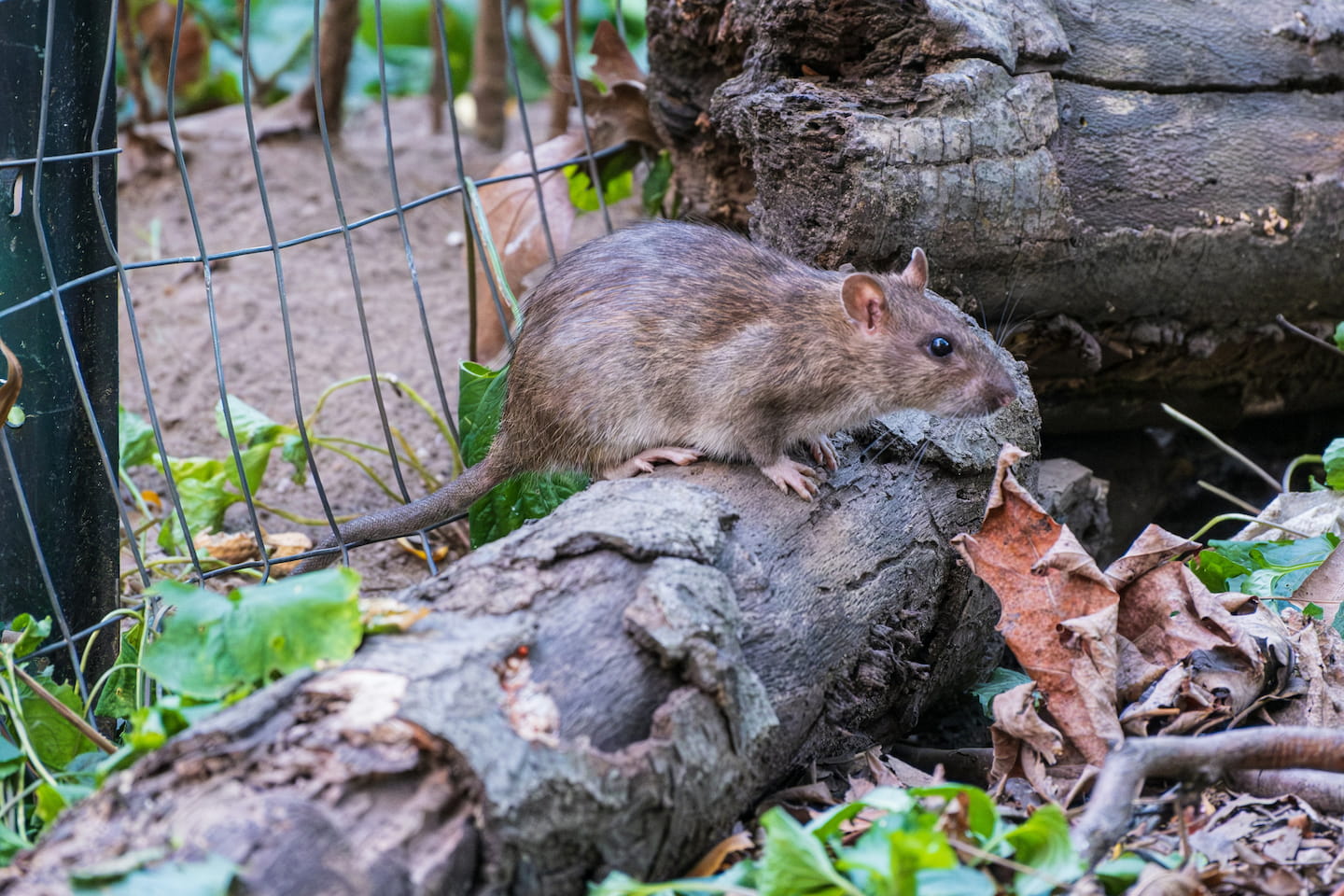
Norway rats, also called brown rats or sewer rats, represent the predominant rat species causing problems throughout Harrogate and Knaresborough. These rats evolved as burrowing semi-aquatic creatures naturally suited to underground environments. Their biology and behaviour make sewer systems ideal habitats where established populations thrive in conditions most animals cannot tolerate. Understanding Norway rat capabilities and sewer system behaviour helps explain how they access properties through drainage routes.
Adult Norway rats measure approximately twenty to twenty-five centimetres body length excluding tails and can squeeze through openings as small as fifteen millimetres—roughly the diameter of a fifty pence coin. This compression ability allows rats to navigate pipe systems, pass through cracks, and exploit gaps that appear too small for their body size. They’re excellent swimmers capable of treading water for three days continuously and holding breath underwater for three minutes. These aquatic abilities mean rats navigate flooded drains, swim through water traps, and access properties via routes property owners assume water barriers prevent.
Sewer systems throughout Harrogate and Knaresborough harbour substantial Norway rat populations. These rats feed on organic matter in sewage, breed in the protected underground environment, and explore the extensive network of pipes connecting across both towns. The sewer system provides everything rats need—abundant food from sewage, protected shelter from predators and weather, stable temperatures year-round, and territory relatively free from human disturbance. Established sewer rat populations produce continuous generations expanding into new territories including private property drainage systems.
Rats explore sewer networks constantly seeking new food sources and nesting sites. When they encounter connections from private property drainage into main sewers, they investigate these routes. If structural faults exist in private drainage—cracks allowing access, separated joints creating gaps, or damaged connections providing entry—rats exploit these opportunities following pipes toward properties. The journey from main sewer through private drainage into properties can occur rapidly once rats discover accessible routes.
Properties in Low Harrogate, Knaresborough town centre, and areas with older drainage infrastructure experience particular vulnerability. These locations have Victorian or Edwardian drainage systems connecting to equally aged sewer networks. Decades of use, ground movement, and material deterioration create multiple potential fault points throughout the system. Modern residential developments in areas like parts of Pannal or newer Starbeck properties have plastic drainage with sealed joints resisting rat access. However, older properties throughout both towns face ongoing drainage-related rat risks requiring vigilance and sometimes expensive drainage repairs.
Victorian Drainage Vulnerabilities in Harrogate Properties
Victorian and Edwardian properties dominating Harrogate and Knaresborough feature drainage systems installed during the same construction period—typically eighteen fifty through nineteen twenty. These original drainage systems used materials and construction methods that served adequately for decades but now show age-related deterioration creating rat access opportunities. Understanding specific Victorian drainage vulnerabilities helps property owners recognise risk factors and make informed decisions about surveys and repairs.
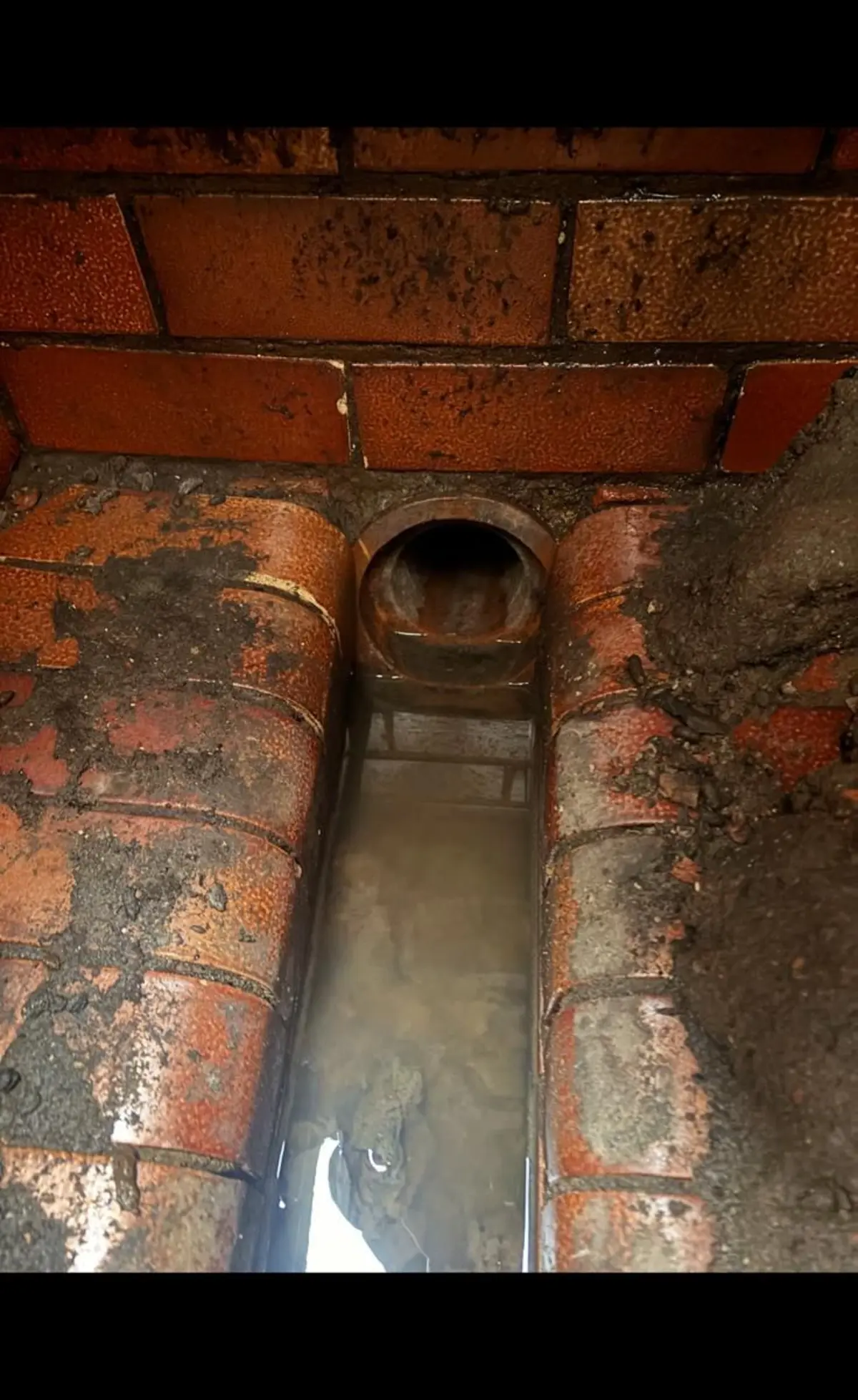
Salt-glazed clay pipes formed the standard drainage material throughout the Victorian era. These pipes, manufactured from fired clay with glazed interiors, provided the best available technology when installed. Clay pipes resist chemical attack from sewage, last considerably longer than contemporary alternatives like cast iron, and maintain structural integrity for one hundred years or more in ideal conditions. However, ground movement, root intrusion from mature Victorian garden trees, and simple age eventually compromise clay pipe systems creating the faults rats exploit.
Clay pipes joined using mortar or early cement materials forming seals between sections. These jointing materials deteriorate faster than the pipes themselves. Ground settlement, thermal expansion and contraction, and moisture cycling cause joints to crack or separate completely. Once joints fail, gaps appear between pipe sections allowing rat access. A rat investigating drainage from inside the sewer system encounters these gaps and squeezes through entering the private property drainage network. From there, they follow pipes potentially reaching internal toilet connections or basement drainage fixtures.
Root intrusion represents another major Victorian drainage problem throughout Harrogate and Knaresborough. Mature trees planted during Victorian development now have extensive root systems seeking moisture and nutrients. Tree roots detect moisture escaping from cracked drainage joints and grow toward these sources. Roots penetrate cracks, expand inside pipes, and eventually block or damage drainage requiring expensive repairs. However, before blockages become severe enough for property owners to notice, the root-damaged pipes provide perfect rat access routes. The combination of cracks admitting roots and organic matter accumulating around root masses creates ideal conditions attracting rats.
Collapsed or subsided drain sections occur in Victorian systems particularly where ground conditions prove unstable. Clay pipes installed in trenches sometimes experience ground movement causing pipes to shift, crack, or completely collapse. Properties throughout Low Harrogate with hillside locations, areas near the River Nidd with higher water tables, and locations with clay soil types all face elevated collapse risk. Collapsed drains obviously allow rat access but even partial collapses creating cracks or misaligned joints provide entry routes.
The connections where private property drainage joins main sewers represent another vulnerability point in Victorian systems. These connections, installed over one hundred years ago, sometimes use materials or methods no longer meeting modern standards. Poorly sealed connections, deteriorated jointing materials, or structural movement affecting connection integrity all create potential rat entry points. Once rats access private drainage at sewer connections, they follow pipes throughout the property drainage system seeking routes into buildings.
CCTV Drainage Surveys: Finding Hidden Rat Entry Points
CCTV drainage surveys provide the definitive method identifying structural faults in Harrogate and Knaresborough property drainage systems. These surveys use specialist waterproof cameras on flexible cables inserted into drainage systems allowing inspection of pipe interiors without excavation. Understanding CCTV survey capabilities, costs, and benefits helps property owners make informed decisions about investigating drainage-related rat problems.
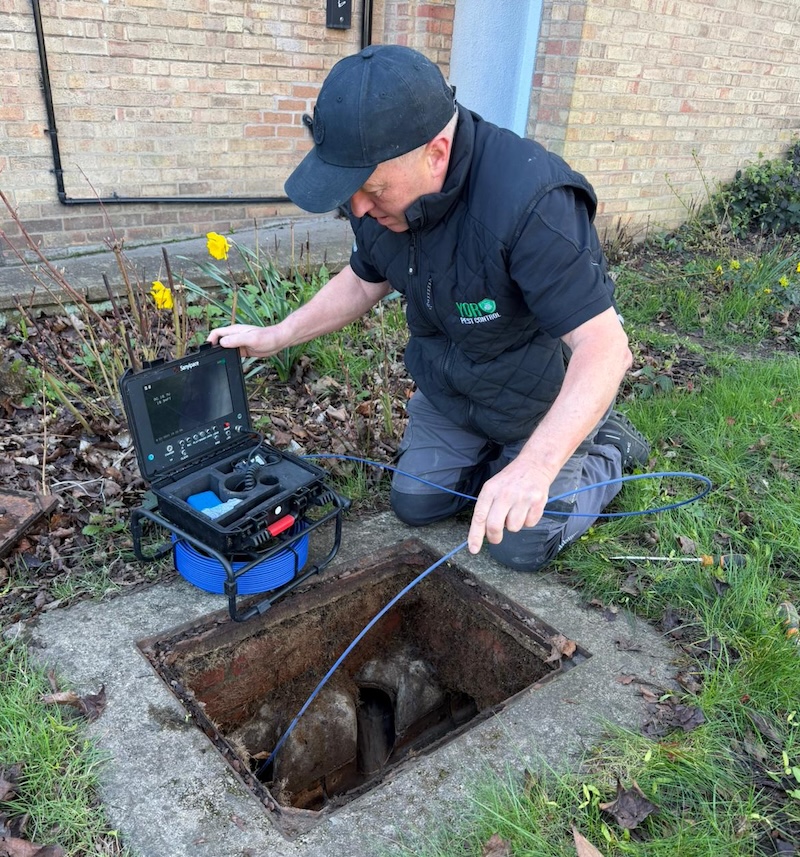
Professional drainage companies throughout Harrogate operate CCTV survey equipment accessing drainage systems through existing inspection chambers, manholes, or rodding eyes. The waterproof camera travels through pipes recording video showing pipe interiors, identifying cracks, separated joints, root intrusion, collapsed sections, and any other structural issues. Modern survey equipment includes distance measuring wheels showing exact fault locations and pan-and-tilt camera heads examining pipe walls thoroughly. Surveyors provide reports including video footage, written descriptions of faults found, and recommendations for repairs.
CCTV surveys identify rat entry points with certainty eliminating guesswork about drainage condition. Rather than assuming drainage problems exist and conducting expensive exploratory excavations, surveys definitively show whether faults allow rat access. Properties experiencing recurring rat problems despite standard pest control treatments benefit enormously from drainage surveys revealing the actual access routes maintaining infestations. Survey evidence shows property owners exactly what repairs are needed avoiding unnecessary work while ensuring effective solutions.
Survey costs in Harrogate and Knaresborough typically range from two hundred to four hundred pounds for residential properties depending on drainage system complexity and accessibility. Small properties with simple drainage systems cost toward the lower end. Larger properties with extensive drainage, multiple inspection chambers, or complex configurations cost more. However, this investment provides invaluable information either confirming drainage faults requiring repair or eliminating drainage as the rat entry route allowing focus on other access points.
The survey process typically takes one to three hours depending on system size. Drainage surveyors access the property, locate inspection chambers or other access points, insert cameras, and systematically inspect all accessible drainage. They identify and record all faults found providing comprehensive documentation of drainage condition. Property owners receive reports usually within twenty-four to forty-eight hours allowing prompt decision-making about necessary repairs.
Properties in Low Harrogate, Knaresborough town centre, and areas with Victorian drainage should strongly consider CCTV surveys when experiencing rat problems particularly if treatments provide only temporary relief or rats appear concentrated near drainage fixtures. The survey investment often proves far less than cumulative ongoing pest control costs for recurring infestations. Moreover, identifying and repairing drainage faults provides permanent solutions whereas repeated pest control treatments without addressing entry routes costs indefinitely.
Permanent Drainage Repair Solutions for Harrogate Properties
Once CCTV surveys identify drainage faults allowing rat access in Harrogate or Knaresborough properties, several repair options exist depending on fault type, location, and severity. Understanding available repair methods and typical costs helps property owners plan necessary work achieving permanent rat exclusion through drainage routes.
Patch repairs address localised faults including individual cracked pipes or separated joints. Modern patch lining techniques insert resin-impregnated fabric liners into damaged pipe sections then cure these liners creating seamless pipe-within-a-pipe repairs. This no-dig technology avoids excavation costs and garden disruption while effectively sealing faults. Patch repairs typically cost two hundred to five hundred pounds per location depending on accessibility and fault extent. Multiple faults throughout drainage systems require multiple patches increasing total costs accordingly.
Short pipe section replacement addresses more extensive damage where patches prove insufficient. This involves excavating to expose damaged pipe sections, removing and replacing faulty pipes, then backfilling and reinstating surfaces. Excavation-based repairs cost more than no-dig patches but sometimes represent the only viable solution for severely damaged or collapsed pipes. Replacing short sections typically costs five hundred to twelve hundred pounds depending on excavation depth, pipe diameter, and surface reinstatement requirements.
Complete drain relining provides comprehensive solutions for extensively damaged systems where multiple faults exist throughout the drainage network. Full-length liners inserted through existing pipes create entirely new pipe systems within original clay pipes. This approach addresses all existing faults simultaneously avoiding the need to identify and repair individual problems. Complete relining costs one thousand two hundred to three thousand pounds typically but provides long-term solutions with warranties often extending twenty-five years or more.
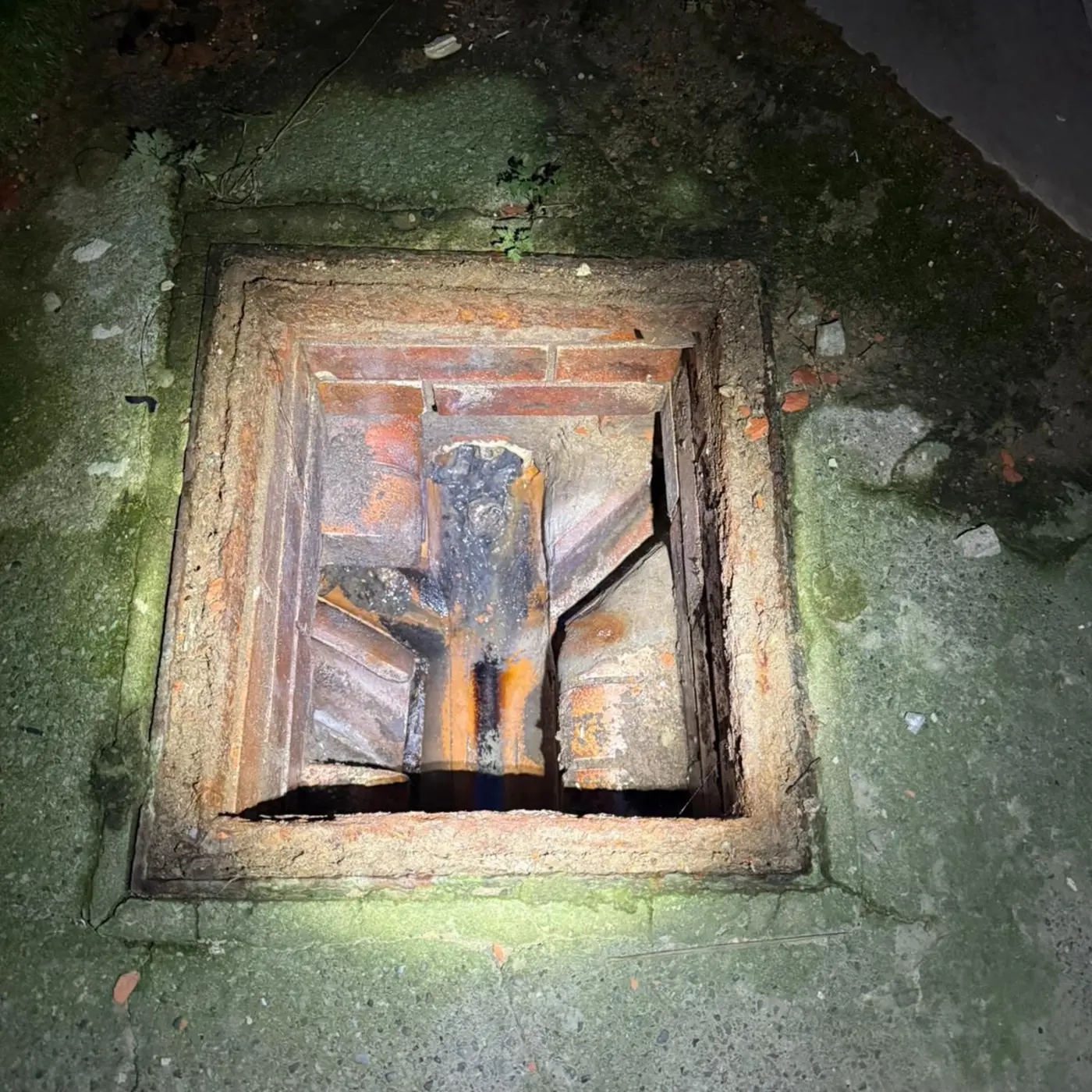
Some drainage faults require junction repairs or manhole renovations where inspection chambers show deterioration allowing rat access. These repairs might include rebuilding damaged brickwork, replacing broken covers, or resealing connections. Junction and manhole work costs vary considerably depending on work extent but typically ranges from three hundred to fifteen hundred pounds per location.
The initial cost of drainage repairs appears substantial compared to standard pest control treatments costing one hundred to one hundred eighty pounds. However, economic analysis clearly favours drainage investment when properties experience recurring rat problems. A property paying one hundred fifty pounds for pest control three times per year spends four hundred fifty pounds annually achieving only temporary relief. After three years, the cumulative pest control cost reaches thirteen hundred fifty pounds—often exceeding drainage repair costs—while the fundamental problem remains unresolved. Investing in drainage repairs eliminates ongoing treatment costs and achieves permanent solutions.
Properties throughout Harrogate and Knaresborough should obtain drainage survey results before commissioning repairs ensuring work addresses actual identified faults rather than assumed problems. Reputable drainage contractors provide detailed quotations specifying exactly what work will be conducted, materials used, and guarantees offered. Properties should seek multiple quotations comparing not just prices but work specifications and guarantee terms ensuring value and quality.
Recognising Drainage – Related Rat Problems in Harrogate
Drainage-related rat infestations show characteristic patterns helping Harrogate and Knaresborough property owners distinguish these problems from rat access through other routes. Recognising these patterns enables appropriate responses including drainage surveys rather than standard pest control alone potentially wasting money on treatments unable to address the actual access route.
Rats emerging from toilets represent the most obvious drainage-related infestation sign. Norway rats can swim through water traps in toilet pans accessing bathroom spaces directly from drainage systems. While shocking and disturbing, toilet emergences definitively prove drainage access requiring survey and repair rather than standard pest treatments. Properties experiencing toilet rat emergences should arrange immediate CCTV surveys identifying drainage faults allowing such access.
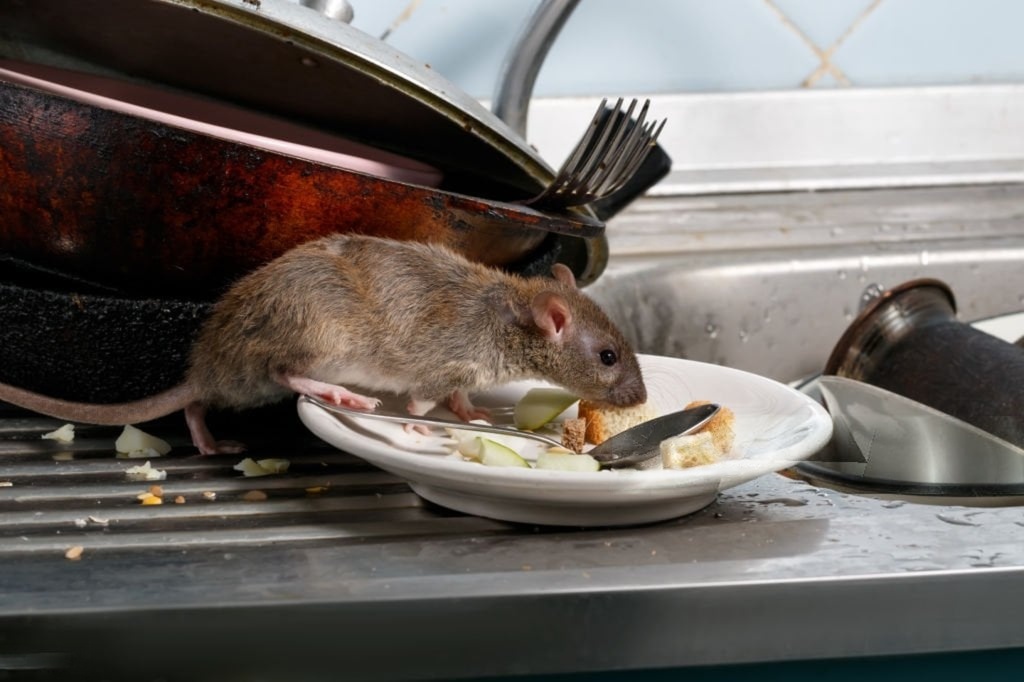
Rat activity concentrated near ground floor bathrooms, kitchens, or utility rooms where drainage fixtures locate suggests drainage access routes. If rat evidence—droppings, gnaw marks, greasy rub marks—appears primarily around sinks, showers, toilets, or washing machine connections, drainage investigation proves worthwhile. Standard entry through walls or airbricks typically shows evidence distributed throughout properties rather than concentrated near specific drainage-connected rooms.
Problems worsening during heavy rainfall indicate potential drainage-related access. Heavy rain raises water levels in sewers and drainage systems displacing rats from normal territories. Displaced rats seek higher dry routes following drainage into properties. If rat activity increases noticeably during or immediately after storms, drainage access routes likely contribute significantly to infestations. Properties throughout Low Harrogate and areas near the River Nidd with higher water tables experience this pattern regularly.
Recurring infestations despite successful treatments suggest ongoing access routes standard proofing cannot address. If professional pest control eliminates rats completely but new infestations develop within weeks or months, hidden entry routes—often drainage-related—allow continuous re-infestation. Rather than scheduling repeated treatments addressing symptoms, drainage surveys identifying actual access routes provide permanent solutions.
Neighbour properties experiencing simultaneous rat problems sometimes indicate shared drainage issues affecting multiple properties. Terraced properties in Harrogate and Knaresborough sometimes have interconnected drainage systems where faults affect several homes. If multiple adjacent properties develop rat problems simultaneously, coordinated drainage investigation might reveal shared system faults requiring collective repair approaches.
Professional Drainage Rat Solutions for Harrogate Properties
Effective drainage rat control in Harrogate and Knaresborough requires coordinated approaches combining pest control expertise with drainage survey and repair capabilities. Yor-Pest Control provides comprehensive solutions addressing both immediate rat problems and underlying drainage access routes ensuring permanent elimination rather than temporary relief.
Our integrated approach begins with thorough property assessment identifying all rat activity evidence and potential entry routes including drainage vulnerabilities. We implement immediate pest control using professional-grade treatments eliminating existing rat populations. However, we simultaneously recommend CCTV drainage surveys when evidence suggests drainage access routes particularly if properties show characteristic drainage-related infestation patterns.
We work closely with trusted drainage survey specialists throughout Harrogate and Knaresborough providing coordinated service. Survey results inform our proofing recommendations ensuring all identified entry routes receive appropriate attention. We guide property owners through drainage repair decisions helping them understand options, costs, and long-term benefits of permanent solutions versus ongoing treatment approaches.
Following drainage repairs, we conduct follow-up monitoring ensuring treatments succeeded and no new rat activity develops. Our comprehensive guarantees cover both pest control effectiveness and our advice on necessary repairs providing property owners complete confidence in solutions implemented. We serve all areas including High Harrogate, Low Harrogate, Starbeck, Duchy Estate, Pannal, Knaresborough town centre, Scotton, Scriven, and surrounding villages with same expertise and service standards.
If you’re experiencing rat problems in your Harrogate or Knaresborough property particularly if infestations recur despite treatments or rats appear near drainage fixtures, contact us today for professional assessment. We’ll identify whether drainage access contributes to your problem and recommend appropriate surveys and repairs achieving permanent solutions.
Call us now on 07951 392 424 for drainage rat assessment in Harrogate and Knaresborough, or visit our rat control page for more information. Don’t waste money on repeated treatments when drainage repairs provide permanent elimination of recurring rat problems.