Victorian and Edwardian properties dominate Harrogate and Knaresborough creating the distinctive architectural character both towns are known for. High Harrogate and Low Harrogate feature grand terraces built during the spa town’s prosperous Victorian expansion. Knaresborough’s historic town center preserves beautiful period buildings dating from the same era. These properties represent architectural heritage and desirable living spaces—but they also experience persistent rat problems in Harrogate requiring specialist pest control knowledge.
Understanding why Victorian and Edwardian properties in Harrogate and Knaresborough attract and sustain rat infestations helps owners protect these valuable homes. Period construction methods created features that inadvertently provide perfect rat habitat. Cavity walls become hidden rodent highways. Suspended floors create protected nesting voids. Original drainage systems sometimes offer direct access from sewers. These characteristics mean Victorian property rat control requires different approaches than modern building pest management. This guide explains the unique pest vulnerabilities of Harrogate and Knaresborough period properties and professional solutions protecting architectural heritage while eliminating infestations.
Contents
- 1 Cavity Wall Construction: The Hidden Rat Highway
- 2 Suspended Timber Floors: Perfect Nesting Voids
- 3 Original Victorian Drainage: Direct Rat Access Routes
- 4 Why Modern Rat Control Methods Fail in Victorian Properties
- 5 Professional Solutions for Harrogate Victorian Property Rat Problems
- 6 Protecting Harrogate’s Architectural Heritage While Eliminating Rats
Cavity Wall Construction: The Hidden Rat Highway
The cavity wall represents Victorian engineering innovation and modern pest control challenge simultaneously. Victorian builders throughout Harrogate and Knaresborough constructed external walls using two separate brick layers—an outer weather-resistant wall and an inner structural wall—with a gap between them. This cavity wall construction improved insulation and prevented moisture penetration through external walls reaching interior plaster. The technique revolutionised building standards but created unintended consequences for pest control that property owners discover generations later.
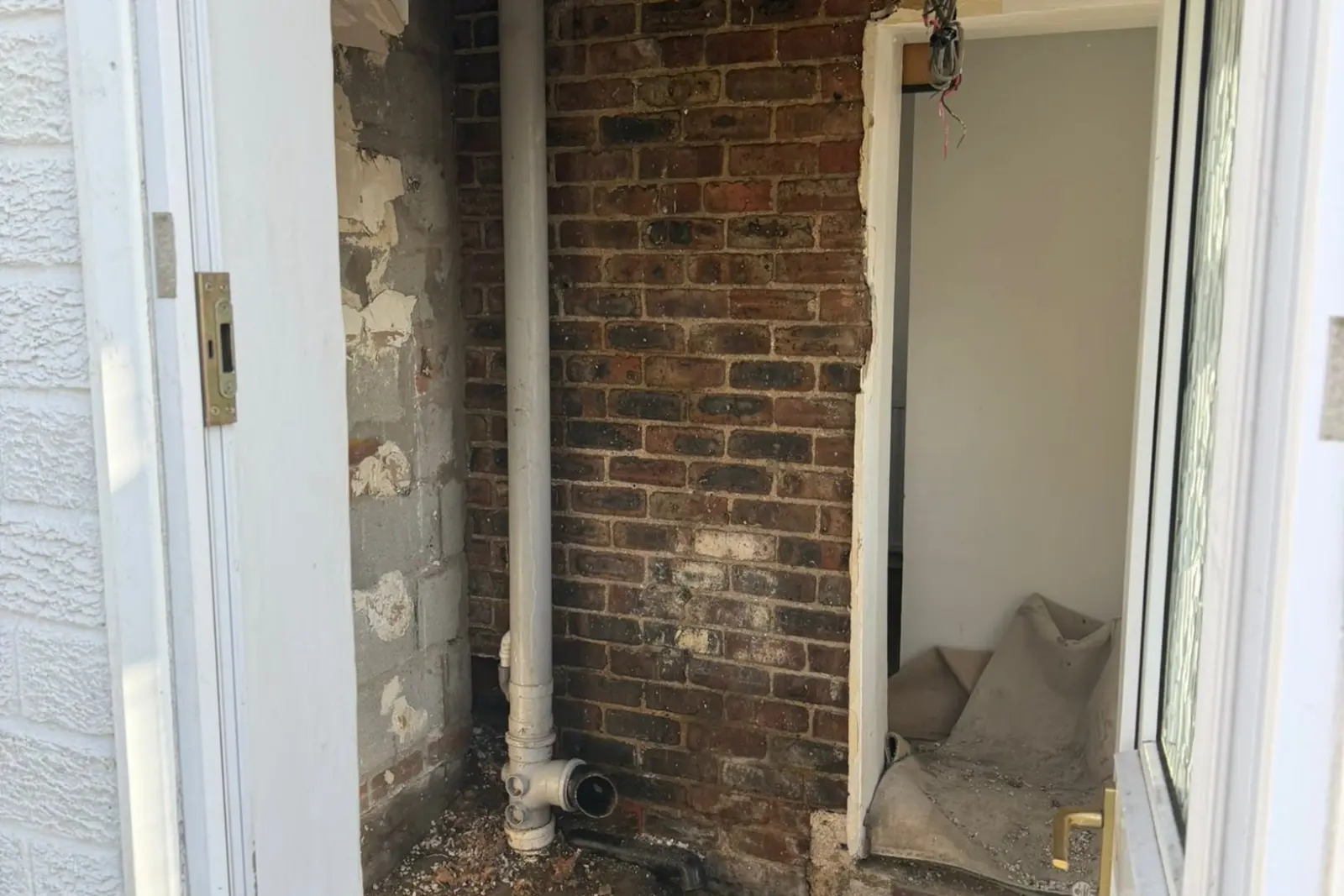
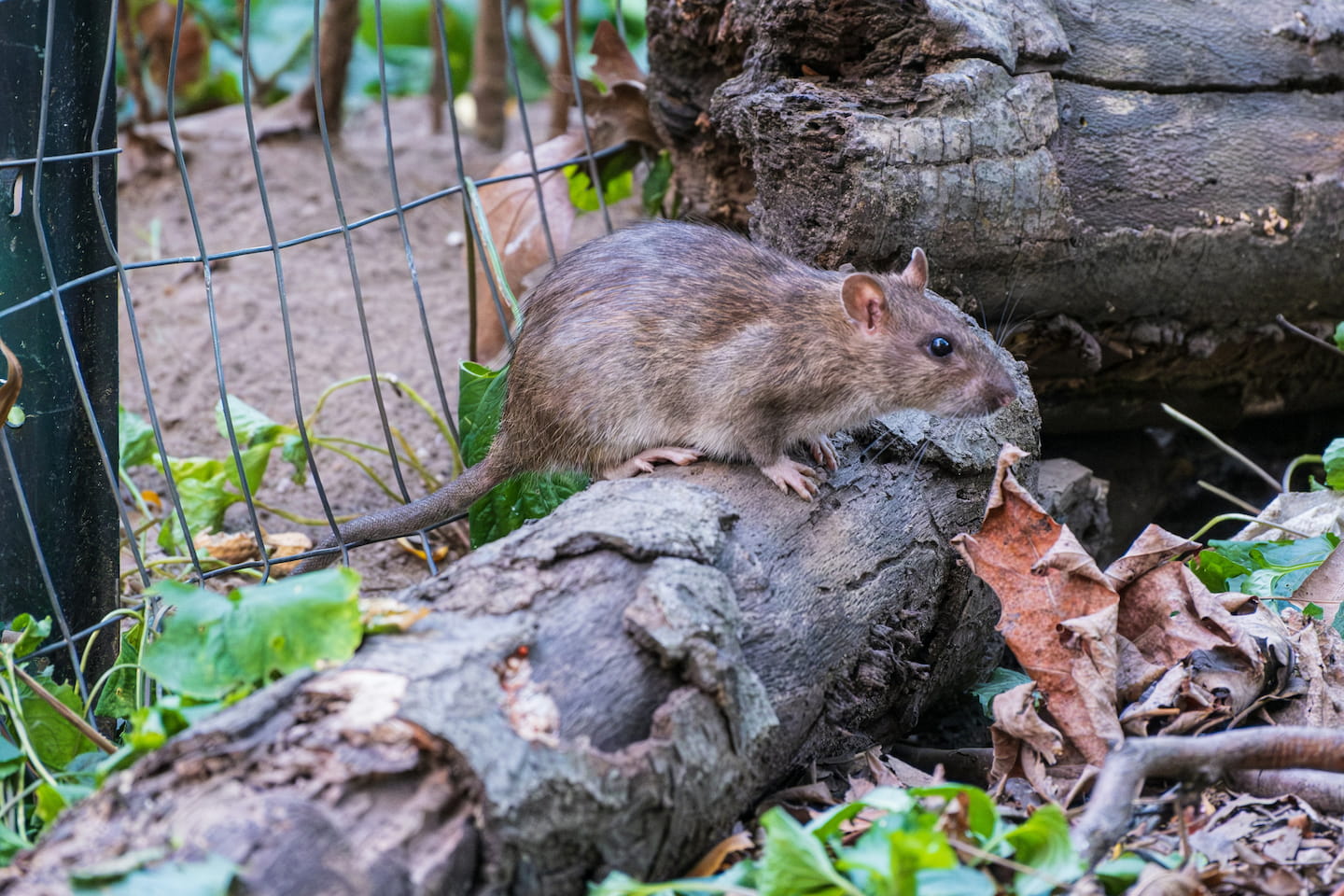
The cavity between brick walls typically measures fifty to seventy-five millimeters wide—perfect dimensions for rat travel. Brown rats, the common species throughout Harrogate and Knaresborough, measure approximately two hundred to two hundred fifty millimeters body length excluding tail. They navigate cavities easily, using the protected space as highways throughout properties. Rats access cavities through numerous entry points Victorian construction inadvertently provides. Damaged or missing airbricks intended for underfloor ventilation create direct cavity access. Gaps around utility pipes entering buildings—water, gas, waste—provide entry points builders never considered when Victorian properties predated most modern utilities. Holes in external brickwork from deteriorated mortar, damaged facing bricks, or structural settling over one hundred fifty years all allow cavity access.
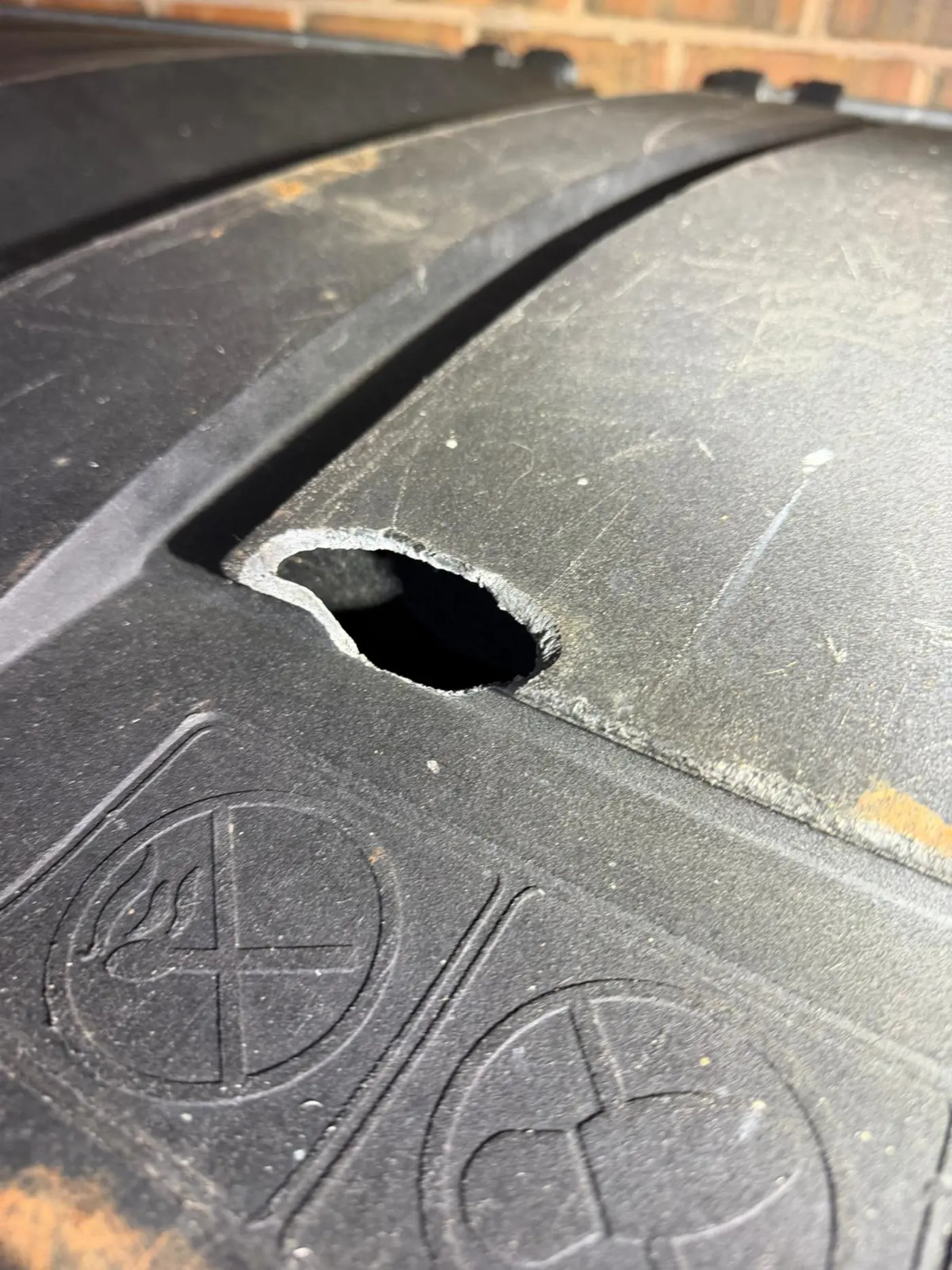
Once rats establish cavity wall presence, the problem escalates rapidly. The cavity connects throughout the property perimeter allowing rats to travel from front to back and ground floor to upper stories completely hidden from view. They create nesting sites within cavities where space permits, building nests from shredded insulation, paper, and fabric carried into the void. They access different rooms through gaps around radiator pipes penetrating walls, holes where plumbing enters rooms, or damaged areas around skirting boards. Victorian properties in High Harrogate, Low Harrogate, and Knaresborough town center with cavity wall construction essentially contain a complete hidden floor plan rats exploit.
Detection becomes problematic because cavity wall rat activity produces minimal obvious evidence. Residents hear scratching and movement within walls but cannot see rats. Droppings appear in rooms but the source remains hidden. Traditional rat control placing bait in visible locations fails because rats access abundant shelter and travel routes inside walls where homeowners cannot reach. Professional pest controllers familiar with Victorian Harrogate properties understand cavity wall behaviour. We know where rats access cavities, how they move through these spaces, and where to place treatments ensuring rats contact bait during cavity travel. We identify entry points requiring sealing and advise on cavity wall proofing preventing future access.
Properties throughout Duchy Estate, Starbeck, and residential Knaresborough streets experience cavity wall rat problems requiring this specialist knowledge. Terraced properties face additional complexity because cavity walls sometimes connect between adjacent houses where party walls include cavities. A rat problem in one terrace property can spread to neighbors through connected cavity systems. Professional treatment must consider these connections ensuring comprehensive elimination rather than simply moving rats between properties.
Suspended Timber Floors: Perfect Nesting Voids
Victorian and Edwardian properties throughout Harrogate and Knaresborough feature suspended timber ground floors creating another significant pest vulnerability. This construction method raises ground floor level above external ground using timber joists supported on dwarf walls or sleeper walls built inside the property footprint. Floorboards attach to these joists creating the walking surface while a void space exists underneath between floor and ground. Victorian builders intended this design to improve ventilation preventing ground moisture affecting timber and provide space for services. Rats recognise these voids as ideal nesting habitat.
The suspended floor void typically measures two hundred to three hundred millimeters deep providing substantial space for rat activity. The void remains dry through ventilation from airbricks in external walls. It stays protected from disturbance because residents rarely access underfloor areas. Temperature remains relatively stable avoiding seasonal extremes. These conditions create perfect rat nesting environment. Female rats seek secure undisturbed locations for breeding and raising young. Suspended floor voids throughout Harrogate Victorian properties meet every requirement rats need for successful breeding.
Rats access suspended floor voids through the same airbricks providing ventilation. Victorian builders installed airbricks at ground level around property perimeters allowing air circulation under floors. Standard airbrick dimensions provide ample access for rats squeezing through—rats compress their ribcages passing through surprisingly small openings. Damaged or missing airbricks create obvious entry points. Gaps in external walls below floor level, deteriorated mortar, or structural movement creating cracks all allow void access. Once inside, rats establish extensive nesting colonies because the void connects throughout the ground floor area providing territory for large populations.
Signs of suspended floor void rat activity include noises under floors particularly at night when rats are most active, droppings appearing along skirting boards where rats emerge from voids, musty odors from urine and nesting materials accumulating in voids, and occasionally rats visible in rooms having emerged through gaps around pipes or damaged floorboards. Victorian properties in areas like Pannal, Hookstone, and older Knaresborough streets commonly experience these symptoms. Residents often live with ongoing problems for months or years attempting DIY solutions that fail because they cannot access the actual infestation location under floors.
Professional rat control for suspended floor void infestations requires understanding Victorian construction. We identify all airbrick locations checking for damage or gaps. We assess void access points around the property perimeter. We place treatments strategically in locations rats travel between voids and food sources. For severe infestations, we may recommend limited floorboard lifting to access voids directly for treatment and inspection. We advise on airbrick replacement or mesh covering preventing future access while maintaining essential ventilation. Some properties require professional proofing sealing all identified entry points after elimination ensures rats cannot re-establish void populations.
Original Victorian Drainage: Direct Rat Access Routes
Victorian drainage systems throughout Harrogate and Knaresborough represent the third major pest vulnerability in period properties. Properties built during the Victorian era—particularly earlier examples from the eighteen fifties through eighteen eighties—have drainage systems installed when building standards differed significantly from modern requirements. Original Victorian drains used materials and construction methods that served for decades but now show deterioration creating rat access opportunities. Understanding these drainage vulnerabilities helps property owners recognise and address problems before serious infestations develop.
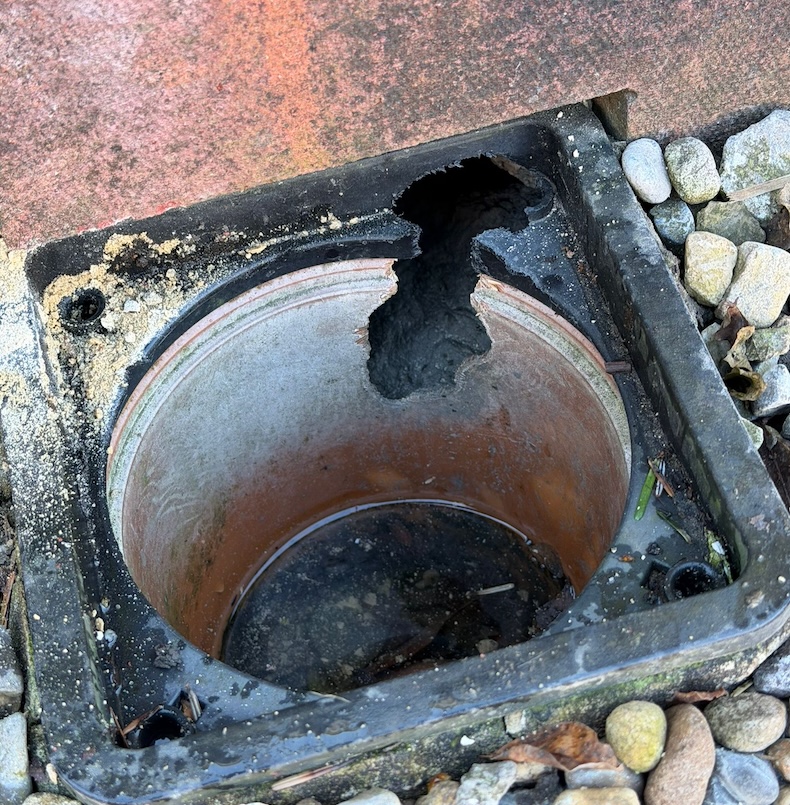
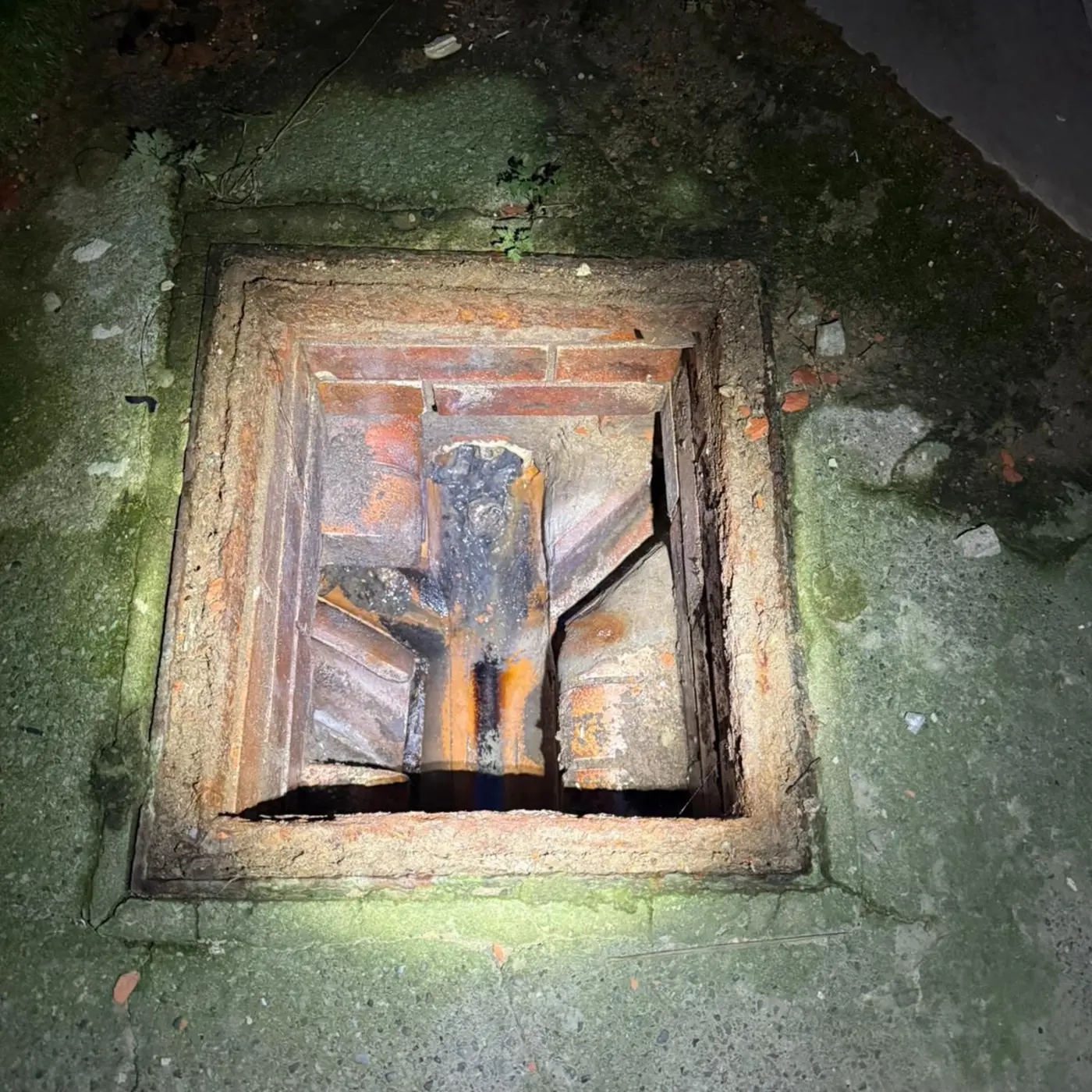
Victorian sewerage systems in Harrogate connected properties to the town’s developing sewer network as the spa town expanded. Original connections used salt-glazed clay pipes joined with mortar or early cement. These materials remain functional for over one hundred years in ideal conditions. However, ground movement, root intrusion from mature Victorian garden trees, deterioration of jointing materials, and simple age create structural issues in many original drainage systems. Cracked pipes, separated joints, or collapsed sections provide direct access routes for rats living in sewer systems to enter property drainage.
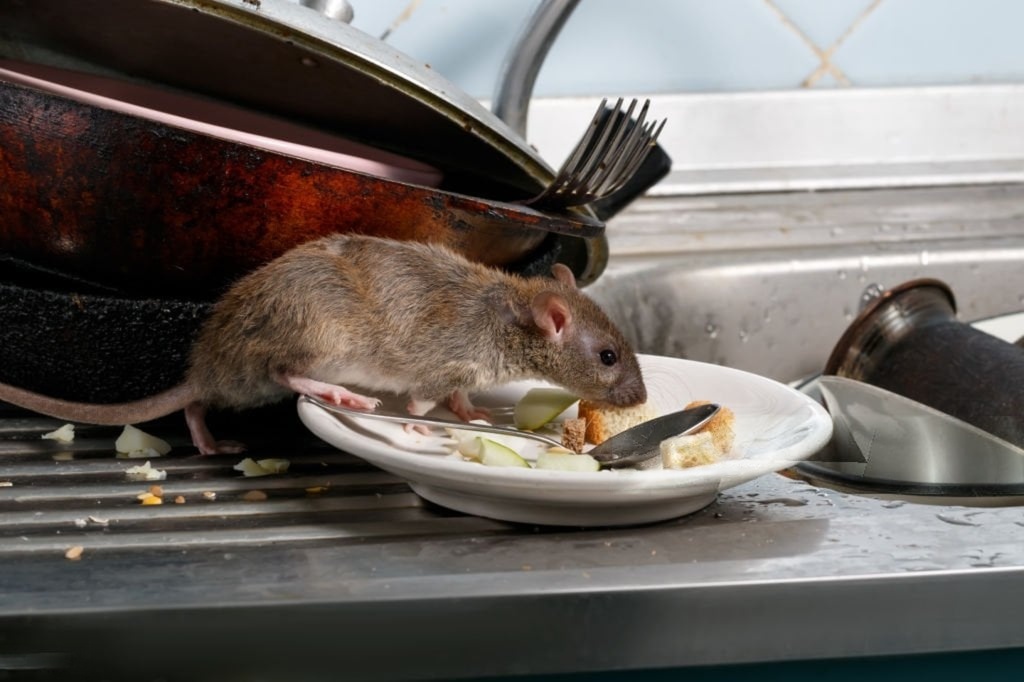
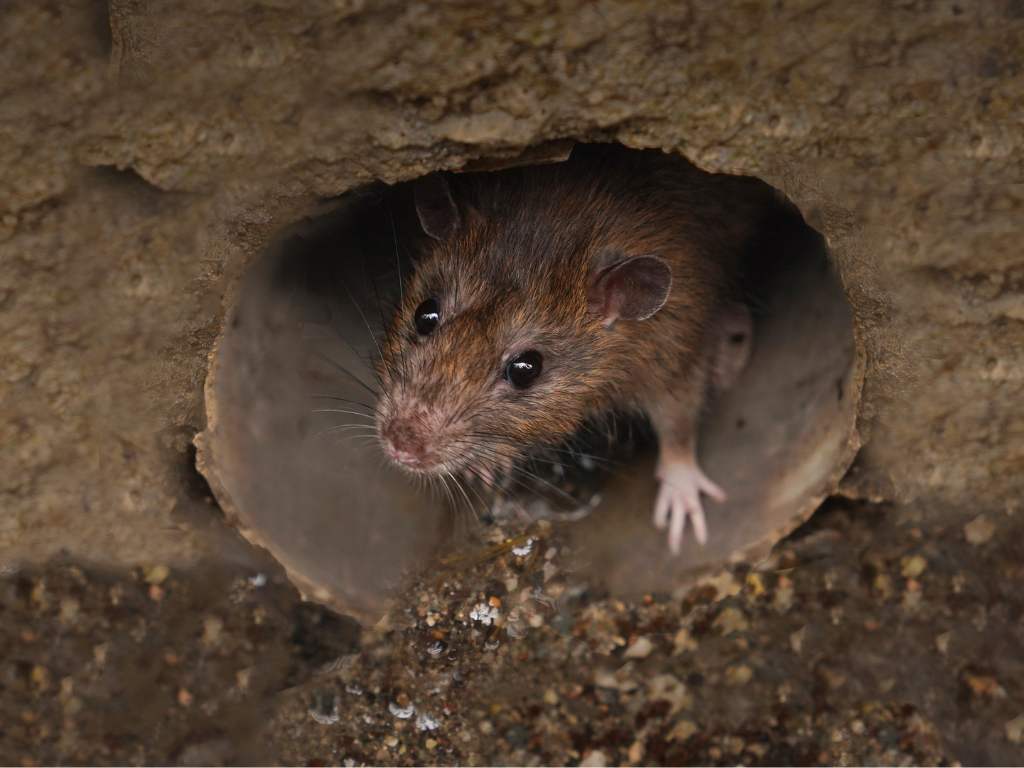
Rats in sewer systems throughout Harrogate and Knaresborough represent established populations thriving in underground environments. Norway rats, the predominant species in the UK, evolved as burrowing semi-aquatic creatures naturally suited to sewer habitats. They access sewers through various entry points then explore connected drainage systems seeking food and shelter opportunities. When Victorian property drainage has structural issues, rats can enter the property’s private drainage system from the main sewer. They follow drain runs potentially reaching internal toilet connections, basement gullies, or other drainage fixtures providing property access.
Evidence of drainage-related rat problems includes rats emerging from toilets particularly ground floor facilities, rat sightings near external drains or inspection chambers, unusual sounds coming from drainage systems, and rat activity concentrated near bathroom or kitchen areas where drainage connects. Properties in Low Harrogate near the town center or older Knaresborough properties with original Victorian drainage systems see these patterns regularly. The problem often worsens during heavy rainfall when rising sewer levels displace rats from normal sewer habitats driving them to seek higher dry routes through property drainage.
Professional drainage surveys identify structural issues allowing rat access. CCTV drainage cameras inspect drain runs revealing cracks, root intrusion, or separated joints. These surveys cost two hundred to four hundred pounds typically but provide definitive identification of access points. Once identified, drainage repairs seal access preventing ongoing rat entry. Repair costs vary depending on damage extent and accessibility. Simple repointing or joint sealing costs hundreds while extensive drain replacement runs thousands. However, ongoing rat control costs and potential property damage from persistent infestations justify drainage investment. Properties eliminating drainage access points achieve permanent rat prevention rather than continuous treatment cycles.
Some Harrogate and Knaresborough Victorian properties have original drainage connecting to shared systems between terraced or semi-detached houses. These shared drains create additional complexity because problems in one property’s drainage can affect neighbors. Professional assessment determines whether drainage issues are individual property concerns or require coordinated attention between adjacent owners. Shared Victorian drainage systems sometimes need professional management ensuring all connected properties contribute to necessary repairs preventing ongoing rat access affecting the entire terrace.
Why Modern Rat Control Methods Fail in Victorian Properties
Homeowners experiencing rat problems in Victorian Harrogate and Knaresborough properties often attempt DIY control using retail products before calling professionals. These attempts almost universally fail in period buildings despite sometimes succeeding in modern properties. Understanding why standard rat control approaches fail in Victorian construction helps property owners avoid wasting money and time on ineffective methods while rats continue breeding and causing damage.
Retail rat poison placed in visible locations accessible to homeowners cannot reach rats living in cavity walls or suspended floor voids. Victorian properties provide so much protected habitat that rats don’t need to venture into living spaces for shelter. They emerge only to forage for food then return to safe cavity or void locations. Poison placed on kitchen floors or in cupboards may be ignored completely if rats find sufficient food sources elsewhere or perceive the new poison as suspicious. Rats exhibit neophobia—fear of new objects—causing them to avoid newly placed bait stations for days or weeks. This survival instinct serves them well in Victorian properties where ample alternative shelter and established routes provide everything needed without risking new food sources.
Traps face similar limitations. Standard snap traps or live catch traps placed where homeowners see droppings or evidence rarely capture rats traveling through cavity walls and floor voids. Rats follow established routes using the same paths repeatedly. Unless traps intersect these routes in locations rats actually travel, they sit empty while infestations continue. Victorian properties have so many potential rat routes through cavities, voids, and complex roof spaces that homeowners cannot possibly predict or access all travel paths. Professional pest controllers with experience in Harrogate Victorian properties understand common rat routes through these buildings. We place treatments strategically where structural knowledge indicates rats must travel accessing food or water.
DIY sealing entry points without first eliminating existing rat populations creates worse problems. Well-meaning property owners seal airbricks, fill gaps around pipes, or block suspected entry points hoping to exclude rats. If rats currently occupy cavity walls or floor voids, sealing traps them inside the property. Trapped rats cause extensive damage trying to escape. They chew through plaster, woodwork, or even brickwork seeking exits. They may die in inaccessible voids creating decomposition odors lasting weeks. Some escape into living spaces creating terrifying encounters with residents. Professional rat control always eliminates existing populations before sealing entry points. This sequence ensures rats can exit during treatment to contact bait placed along exit routes, then sealing prevents new rats entering after elimination succeeds.
The complexity of Victorian building construction defeats homeowners lacking architectural knowledge. Multiple cavity systems, interconnected voids, original drainage complications, and roof space access points create pest vulnerabilities homeowners cannot fully assess. They see evidence of rats in one room and attempt treatment there, unaware that the actual infestation occupies cavity walls throughout the property or nesting colonies exist under floors. Professional pest controllers assess entire properties understanding how Victorian construction methods create connected systems rats exploit. This comprehensive approach addresses infestations thoroughly rather than treating individual symptoms while the actual problem continues elsewhere in the building.
Professional Solutions for Harrogate Victorian Property Rat Problems
Effective professional rat control in Victorian Harrogate and Knaresborough properties requires specialist knowledge combining pest control expertise with understanding of period building construction. Our twenty years serving both towns means we’ve treated hundreds of Victorian and Edwardian properties developing comprehensive knowledge of how rats exploit these buildings and proven methods eliminating infestations while protecting architectural heritage.
Initial assessment examines the entire property identifying all evidence of rat activity and potential entry points. We inspect external walls checking airbrick condition, gaps around utilities, and signs of cavity access. We examine suspended floor areas accessible from outside looking for void entry points. We assess drainage systems checking external inspection chambers and discussing any toilet or drain-related rat evidence. We inspect loft spaces where accessible looking for roof entry points and evidence of rat travel routes between floors. This comprehensive survey creates complete understanding of infestation extent and the building vulnerabilities rats exploit.
Treatment strategies adapt to Victorian construction realities. We place professional-grade rodenticide in tamper-resistant bait stations at strategic locations based on our property assessment. For cavity wall infestations, we position bait where rats must travel between cavities and food sources—near suspected cavity entry points, along external walls, and in loft spaces where cavity tops may be accessible. For suspended floor void problems, we place bait stations near airbricks and along skirting boards where rats emerge from voids. We use professional products significantly more effective than retail poisons and employ baiting strategies accounting for rat neophobia ensuring eventual bait consumption.
Follow-up visits monitor treatment success and adjust approaches if needed. Victorian property rat elimination typically requires two to four weeks allowing time for entire populations to contact and consume bait. We schedule visits assessing bait consumption, checking for new activity evidence, and ensuring treatment progresses successfully. Complex infestations may need multiple visits replenishing bait and expanding treatment locations if initial placements prove insufficient. Our guarantee ensures we continue treatment until complete elimination regardless of property complexity.
Proofing recommendations prevent re-infestation after elimination. We identify all entry points requiring sealing and advise on appropriate materials and methods. For airbricks, we recommend galvanised steel mesh covers maintaining ventilation while preventing rat access. For gaps around utilities, we specify appropriate sealing materials compatible with Victorian building requirements—avoiding modern products that could damage period structures. For drainage issues, we recommend professional surveys and repairs as needed. We understand conservation area restrictions in parts of Harrogate and Knaresborough requiring sympathetic approaches preserving building character while achieving pest resistance.
Cost transparency helps Victorian property owners make informed decisions. Standard treatment including initial assessment, professional-grade bait stations, follow-up visits, and basic proofing advice costs one hundred to one hundred eighty pounds for most Harrogate and Knaresborough Victorian properties. Complex cases requiring extensive structural access or multiple treatment approaches may cost more. However, this investment eliminates infestations comprehensively and prevents recurring problems through proper proofing. Compare professional costs to potential damage from ongoing infestations—chewed wiring creates fire risks and expensive electrical repairs, contaminated insulation requires replacement at significant cost, and structural damage from prolonged rat gnawing can reach thousands in repair bills.
Protecting Harrogate’s Architectural Heritage While Eliminating Rats
Victorian and Edwardian properties throughout Harrogate and Knaresborough represent valuable architectural heritage deserving protection. Many properties sit within conservation areas imposing restrictions on external alterations. Period features like original sash windows, decorative brickwork, and historic materials require sympathetic treatment during pest control work. Professional pest controllers serving Harrogate and Knaresborough understand these requirements balancing effective rat elimination with heritage protection.
Our approach respects period architecture while achieving comprehensive pest control. We avoid damaging original features during inspection and treatment. We recommend proofing solutions compatible with conservation requirements using traditional materials and reversible methods where possible. We work with property owners navigating planning restrictions if structural repairs require approval. We understand which alterations need consent in Harrogate and Knaresborough conservation areas and can recommend approaches achieving pest resistance within these constraints.
Period property owners throughout High Harrogate, Low Harrogate, and Knaresborough’s historic core can eliminate rat problems without compromising architectural character. Professional expertise ensures Victorian properties remain beautiful, valuable, and pest-free protecting both heritage and modern living standards.
If you’re experiencing rat problems in your Harrogate or Knaresborough Victorian or Edwardian property, understand that these buildings require specialist knowledge for effective treatment. Don’t waste time and money on DIY approaches that fail in period construction. Contact us today for professional assessment and comprehensive treatment.
Call us now on 07951 392 424 for expert rat control in Harrogate and Knaresborough Victorian properties, or visit our rat control page for more information. We understand period building construction and provide effective solutions protecting your architectural heritage while eliminating infestations completely.