Harrogate and Knaresborough residents experiencing increased rat activity in 2026 are not imagining heightened problems—rat populations throughout Yorkshire have surged dramatically this year creating widespread infestations across both towns. ITV News featured the Yorkshire rat problem highlighting a twenty per cent population increase, double the national average, creating the worst rat year in recent memory. Understanding why 2026 brought exceptional rat pressure to Harrogate helps property owners recognise problems as part of regional patterns rather than isolated incidents and implement appropriate professional solutions.
This guide examines the 2026 Harrogate rat surge including the perfect storm of climate factors driving population explosion, how warm 2025 extended breeding seasons creating larger populations, why record wet early 2026 displaced rats from natural territories, specific Harrogate and Knaresborough vulnerabilities during this surge, and professional control solutions addressing elevated rat pressure. Properties throughout High Harrogate, Low Harrogate, Starbeck, Pannal, Hookstone, Knaresborough town centre, Scotton, and Scriven all experience this surge requiring informed responses.
Contents
The Perfect Storm: Climate Factors Creating 2026 Rat Surge
The 2026 rat problem affecting Harrogate and Knaresborough results from converging climate factors creating ideal conditions for rat population explosion followed by mass displacement. Understanding these factors helps residents recognise why 2026 differs from typical years and why professional intervention becomes more critical during population surge periods. The combination of warm breeding conditions then wet displacement creates unprecedented rat pressure on properties throughout both towns.
2025 entered UK climate records as the warmest year ever recorded. This distinction matters enormously for rat populations because temperature directly affects breeding success and duration. Norway rats—the predominant species throughout Harrogate and Knaresborough—breed year-round in suitable conditions but show reduced breeding during cold periods. The warm 2025 eliminated normal winter breeding slowdown allowing continuous reproduction throughout the year. Breeding pairs producing litters every three weeks created exponential population growth unrestricted by seasonal limitations.
The mathematics of rat reproduction explains rapid population expansion. A single breeding pair can theoretically produce over two hundred offspring within one year through successive litters and offspring reaching breeding age rapidly. In typical years, winter cold reduces this potential through breeding pauses and higher juvenile mortality. The warm 2025 removed these natural population controls allowing maximum reproductive potential. By late 2025, rat populations throughout Yorkshire including Harrogate and Knaresborough reached levels substantially higher than normal seasonal peaks.
Early 2026 brought dramatic climate shift from record warmth to record rainfall. England received thirty-five per cent more rainfall than average during early 2026 creating widespread flooding and waterlogging. This exceptional wet weather affected rat populations dramatically. Rats are excellent swimmers capable of navigating flooded areas but cannot survive prolonged submersion. Underground burrow systems throughout Harrogate and Knaresborough flooded during heavy rainfall forcing rats to abandon established territories seeking higher dry ground.
Sewer systems experienced elevated water levels during exceptional rainfall displacing sewer rat populations. Norway rats thrive in sewer environments but rising water levels force them from normal territories into connected drainage systems and eventually into properties. The combination of flooded burrows and flooded sewers created mass rat displacement throughout Harrogate and Knaresborough. Rats displaced from natural territories actively seek alternative shelter—gardens, outbuildings, and properties throughout both towns suddenly face rat pressure from displaced populations searching for dry accommodation.
This perfect storm—warm 2025 creating maximum breeding success, followed by wet 2026 displacing swollen populations—explains why Yorkshire experienced twenty per cent rat surge double the national average. Areas like Harrogate and Knaresborough with substantial rat populations before 2026 saw dramatic increases as favourable breeding conditions then displacement combined creating unprecedented infestation pressure on residential and commercial properties.
How Warm 2025 Extended Breeding Seasons
The 2025 temperature records creating breeding advantages for rats throughout Harrogate and Knaresborough deserve detailed examination because this factor initiated the population surge ultimately affecting 2026. Understanding extended breeding seasons helps property owners recognise why rat populations entering 2026 differed substantially from typical years and why subsequent displacement created such severe problems.
Normal UK winters impose breeding restrictions on rat populations through temperature effects and food scarcity. When temperatures drop below specific thresholds, female rats reduce or cease breeding conserving energy for survival rather than reproduction. Additionally, winter food scarcity in natural environments restricts breeding because pregnant and nursing females require substantial nutrition supporting reproduction. These factors typically create seasonal population fluctuations with summer peaks and winter declines establishing natural controls on rat numbers.
The warm 2025 disrupted these normal patterns throughout Harrogate and Knaresborough. Mild winter temperatures allowed continued breeding when populations would normally decline. Spring began earlier providing food resources supporting breeding. Summer heat extended into autumn prolonging peak breeding periods. Autumn remained warm allowing late-season litters that typically wouldn’t occur. This year-round breeding meant rat populations never experienced normal winter decline instead building continuously from January through December.
Gardens throughout Harrogate and Knaresborough inadvertently supported extended breeding through food availability. Warm weather maintained vegetation growth longer providing natural food sources. Bird feeders common in Harrogate gardens supplied year-round nutrition. Compost bins remained active throughout mild weather providing food opportunities. These resources combined with warm temperatures created perfect conditions for sustained rat breeding in residential areas.
Properties throughout both towns providing shelter amplified breeding success. Sheds, garages, and outbuildings offered warm dry breeding sites protected from weather. Rats establishing territories in these structures bred continuously through 2025 creating large local populations radiating from individual properties. Some Harrogate residents remained unaware of shed or garage rat populations until 2026 wet weather pushed problems into main properties revealing established breeding colonies.
The cumulative effect of extended 2025 breeding meant rat populations entering 2026 significantly exceeded normal levels throughout Harrogate and Knaresborough. When wet 2026 weather then displaced these swollen populations, the number of rats seeking shelter in properties multiplied compared to typical years. Properties that might normally see occasional isolated rat problems instead faced substantial pressure from displaced populations competing for limited dry shelter.
Record Wet 2026: Flooding Rats from Natural Territories
The record rainfall characterising early 2026 throughout Harrogate and Knaresborough created the displacement mechanism turning elevated rat populations into property infestation crisis. Understanding how wet weather affects rat behaviour helps residents recognise why 2026 problems differ from normal years and why certain property types or locations experience particular vulnerability during flooding conditions.
Thirty-five per cent above-average rainfall throughout early 2026 saturated ground throughout Harrogate and Knaresborough creating waterlogged conditions rarely experienced. Gardens, green spaces, and undeveloped areas—normal rat habitat—became flooded or waterlogged eliminating burrow systems rats typically occupy. Rats cannot maintain underground burrows in saturated soil. Water infiltration floods burrow chambers, tunnel systems collapse in soggy ground, and prolonged wet conditions make subterranean living impossible. These conditions forced rats abandoning natural burrow territories seeking alternative shelter.
Properties near the River Nidd in Low Harrogate and Knaresborough experienced particular severity during wet 2026. River levels remained elevated throughout early months creating high water tables affecting wider areas beyond immediate riverbanks. Gardens and green spaces in these areas flooded repeatedly forcing rats to higher ground. Properties in affected areas saw unprecedented rat pressure as displaced populations sought any available dry shelter often multiple rats arriving simultaneously as flooding intensified.
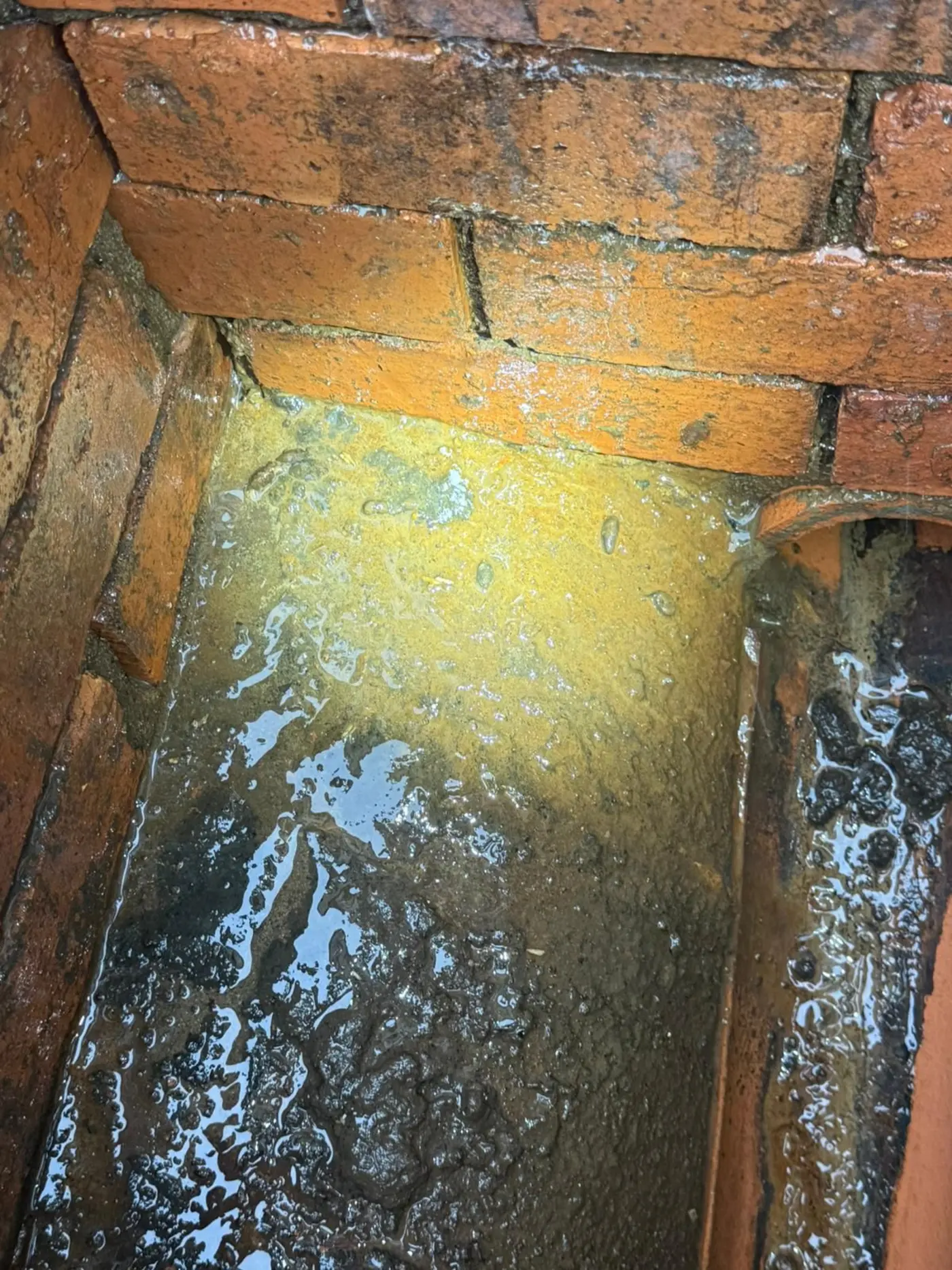
Sewer systems throughout both towns experienced elevated water levels during heavy rainfall periods. Rising sewage levels in combined sewer and surface water systems displaced sewer rat populations from normal territories. These rats explored connected private drainage seeking escape routes from rising water ultimately accessing properties through drainage faults. The combination of surface flooding displacing garden rats and sewer flooding displacing sewer rats created dual pressure on Harrogate and Knaresborough properties from multiple rat populations simultaneously seeking refuge.
The timing of wet weather amplified problems. Heavy rainfall began early 2026 coinciding with late winter when rats typically show reduced activity. However, the warm 2025 eliminated normal winter population decline meaning substantial rat populations faced displacement during wet conditions. Had wet weather occurred when rat numbers remained at normal winter lows, displacement would have created fewer problems. Instead, wet conditions displaced elevated populations creating exceptional infestation pressure.
Properties throughout Harrogate and Knaresborough offering any shelter potential—sheds, garages, loft spaces, gaps in walls, damaged airbricks—attracted displaced rats desperate for dry accommodation. Residents accustomed to seeing occasional rats in gardens suddenly found rats attempting entry to buildings, appearing in unusual locations, or showing brazen behaviour uncommon in normal conditions. This behaviour reflects displacement desperation rather than typical opportunistic rat activity.
The wet conditions forecast to continue through 2026 suggest ongoing rat pressure throughout the year. Unlike typical seasonal rat problems showing summer peaks and winter declines, the 2026 surge will likely persist while wet weather maintains displacement pressure. Properties throughout both towns should prepare for extended rat activity periods rather than expecting problems resolving naturally as weather improves.
Harrogate and Knaresborough Vulnerabilities During 2026 Surge
Certain Harrogate and Knaresborough characteristics create particular vulnerability during the 2026 rat surge beyond general regional pressures affecting all Yorkshire. Understanding local factors helps property owners recognise specific risks and implement appropriate targeted responses during elevated activity periods.
Victorian and Edwardian drainage infrastructure throughout both towns creates vulnerability during wet weather displacement. Properties with original drainage systems experience higher infiltration allowing rainwater entering drains and sewers. This infiltration raises sewer water levels more than modern sealed systems would, increasing sewer rat displacement into private drainage. Additionally, structural faults in Victorian drainage provide rat access routes from sewers into properties. The wet 2026 exploits these existing vulnerabilities creating rat entry opportunities that wouldn’t exist in properties with modern drainage.
Low Harrogate locations with higher water tables experience greater flooding impact than elevated areas. Properties in valley locations or near river courses face prolonged waterlogging during exceptional rainfall periods. These areas saw earlier and more severe rat problems during 2026 as flooding displaced populations when elevated areas remained relatively dry. The geographical variation means some Harrogate neighbourhoods face substantially higher rat pressure than others during wet conditions.
Semi-rural character around Harrogate and Knaresborough creates larger background rat populations than purely urban areas. Properties near Crimple Valley, along the Nidd valley, or in rural areas around Killinghall, Scotton, and Scriven border countryside habitats supporting substantial rat populations. When flooding displaces these countryside rats, nearby residential properties face pressure from large populations seeking alternative territories. This differs from urban York where rat populations concentrate in built environments with less surrounding countryside providing displacement sources.
Garden-rich character of Harrogate properties means more potential entry points and shelter opportunities than typical urban development. Large gardens throughout Pannal, Hookstone, and Duchy Estate contain sheds, greenhouses, outbuildings, and other structures providing rat shelter during displacement. These structures act as stepping stones allowing rats transitioning from flooded natural habitats into main buildings. Properties with extensive gardens need vigilance securing all structures during the 2026 surge preventing progressive rat colonisation from outbuildings toward main properties.
Affluent property characteristics throughout much of Harrogate create higher damage costs when rat problems develop. Quality insulation in lofts, premium electrical systems, and valuable stored possessions all increase financial impact from rat damage. The 2026 surge affecting affluent areas means average damage costs potentially exceed those in areas with basic property fittings. This economic factor makes prevention and early intervention particularly cost-effective for Harrogate property owners during elevated risk periods.
Professional Solutions for 2026 Rat Surge in Harrogate
The 2026 rat surge throughout Harrogate and Knaresborough requires adapted professional approaches addressing elevated populations and extended activity periods. Standard rat control methods remain effective but strategic adjustments account for exceptional conditions ensuring successful outcomes during challenging circumstances. Our twenty years serving both towns includes experience managing rat problems during various conditions enabling effective responses to 2026 surge.
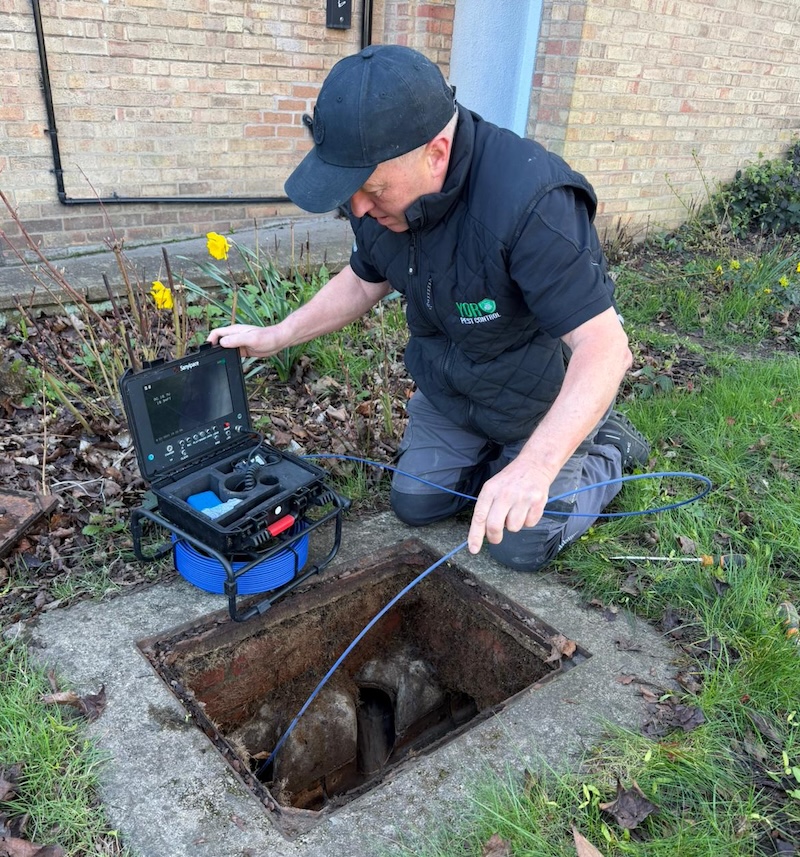
Initial comprehensive assessment becomes more critical during surge conditions identifying all potential entry routes and activity evidence. Elevated rat populations mean properties might experience pressure from multiple access routes simultaneously requiring thorough surveys ensuring complete treatment coverage. We inspect external walls, rooflines, drainage access points, and building junctions identifying all potential vulnerabilities rats might exploit during displacement seeking shelter.
Strategic bait station placement addresses higher rat numbers and increased competition for resources. During normal conditions, moderate bait station coverage proves sufficient. The 2026 surge requires enhanced coverage ensuring all rats contact treatment despite competition from other individuals. We position additional bait stations at strategic locations, increase bait quantities accounting for larger populations, and schedule more frequent monitoring visits ensuring continuous bait availability throughout treatment periods.
Multi-location treatment addresses rats sheltering in various property areas during displacement. Properties might simultaneously house garden rats in sheds, displaced sewer rats accessing through drainage, and roof rats entering loft spaces. Comprehensive treatment across all identified locations ensures complete elimination rather than addressing individual areas leaving other populations untreated. This coordinated approach proves essential during surge conditions when properties face multiple concurrent infestation sources.
Extended monitoring periods ensure complete elimination during elevated activity. Standard treatments might require two to three weeks achieving full success. The 2026 surge potentially extends this timeline as continuous rat pressure from displaced populations requires ongoing vigilance ensuring no new rats establish territories after initial treatment eliminates existing populations. We maintain monitoring schedules until activity evidence completely ceases confirming successful elimination despite external population pressure.
Proactive prevention recommendations help properties avoiding problems during continued surge conditions. Sealing identified entry points, securing waste bins, removing outdoor food sources, and implementing drainage repairs all reduce vulnerability to ongoing rat pressure throughout 2026. We provide detailed prevention guidance helping residents protect properties even while regional populations remain elevated through extended wet weather periods.
Professional treatment costs remain standard—one hundred to one hundred eighty pounds—throughout the 2026 surge despite elevated demand. We maintain consistent pricing ensuring all Harrogate and Knaresborough residents can access professional help regardless of when problems develop. This commitment to accessibility means properties shouldn’t delay treatment for cost concerns during challenging conditions requiring expert intervention.
If you’re experiencing rat problems during the 2026 surge in Harrogate or Knaresborough, understand these are exceptional conditions requiring professional expertise beyond normal pest control. Contact us today for assessment and comprehensive treatment addressing elevated rat pressure protecting your property during this challenging year.
Call us now on 07951 392 424 for professional rat control during the 2026 surge in Harrogate and Knaresborough, or visit our rat control page for more information. Don’t struggle with DIY approaches during exceptional rat pressure—professional solutions provide reliable elimination protecting your property throughout this elevated activity period.