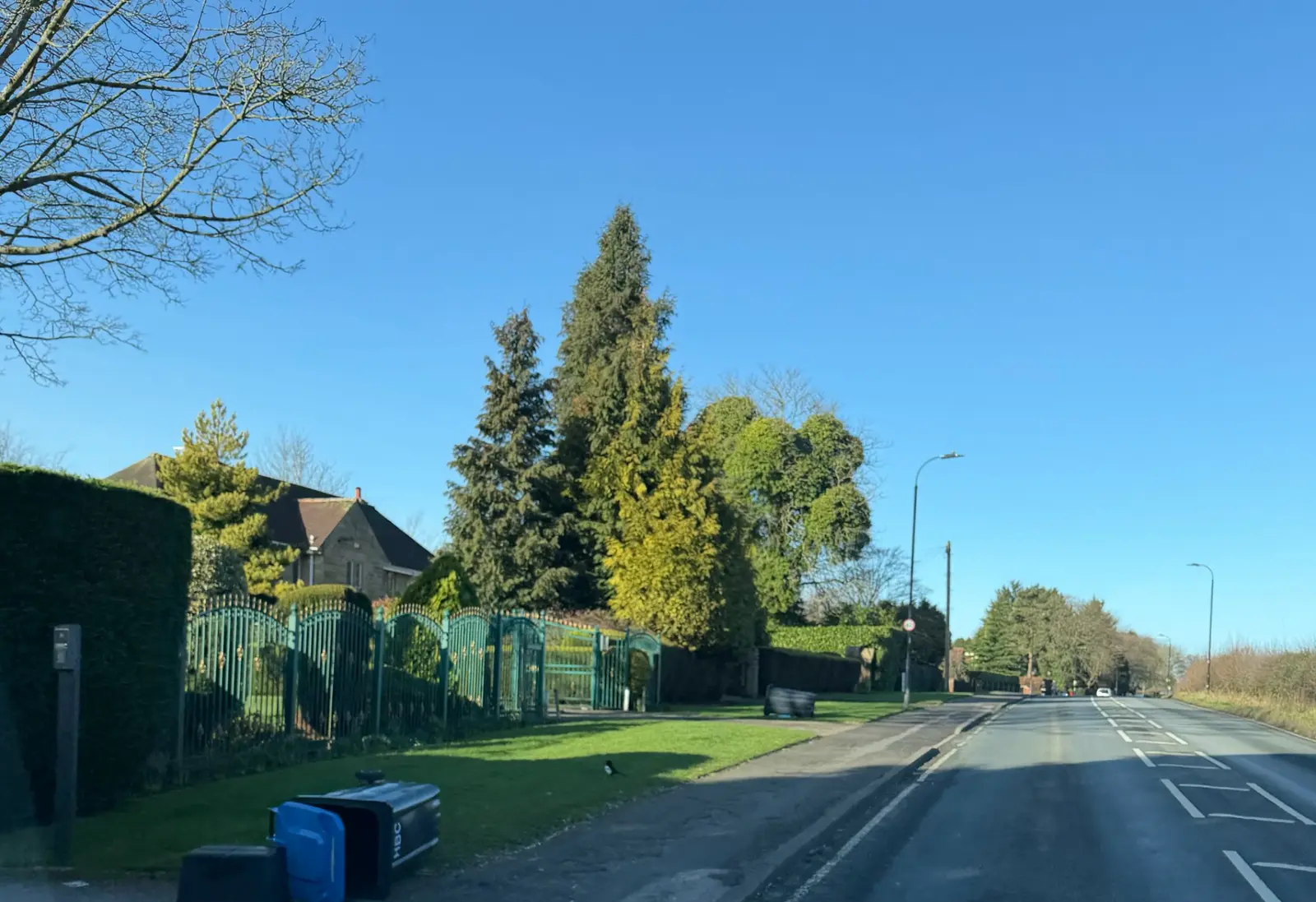

Harrogate’s unique character—elegant Victorian and Edwardian properties, mature gardens, semi-rural setting bordering the Yorkshire Dales—creates the perfect environment for pest problems. As professional pest controllers serving Harrogate for over twenty years, we’ve treated every pest type in every Harrogate neighbourhood from High Harrogate’s grand terraces to Starbeck’s modern estates.
This complete guide covers everything Harrogate residents need to know about pest control in Harrogate including common pests affecting Harrogate properties, why Harrogate’s property types attract specific pests, seasonal pest patterns throughout the year, neighbourhood-specific pest problems, and when to call professional help versus attempting DIY solutions.
Whether you’re dealing with an active infestation or want to prevent problems before they start, this guide provides the local knowledge Harrogate residents need for pest-free living.
Contents
- 1 Common Pests in Harrogate Properties
- 2 Harrogate Property Types and Pest Vulnerability
- 3 Harrogate Neighbourhoods: Pest Patterns
- 4 Seasonal Pest Patterns in Harrogate
- 5 Why Professional Pest Control Matters in Harrogate
- 6 Prevention: Protecting Your Harrogate Property
- 7 When to Call Professional Pest Control
- 8 Harrogate Pest Control Services
- 9 Frequently Asked Questions
- 10 Professional Harrogate Pest Control
Common Pests in Harrogate Properties
Harrogate experiences all the pest problems affecting North Yorkshire, but certain pests are particularly prevalent due to local property characteristics and environmental factors.
Rats and Mice
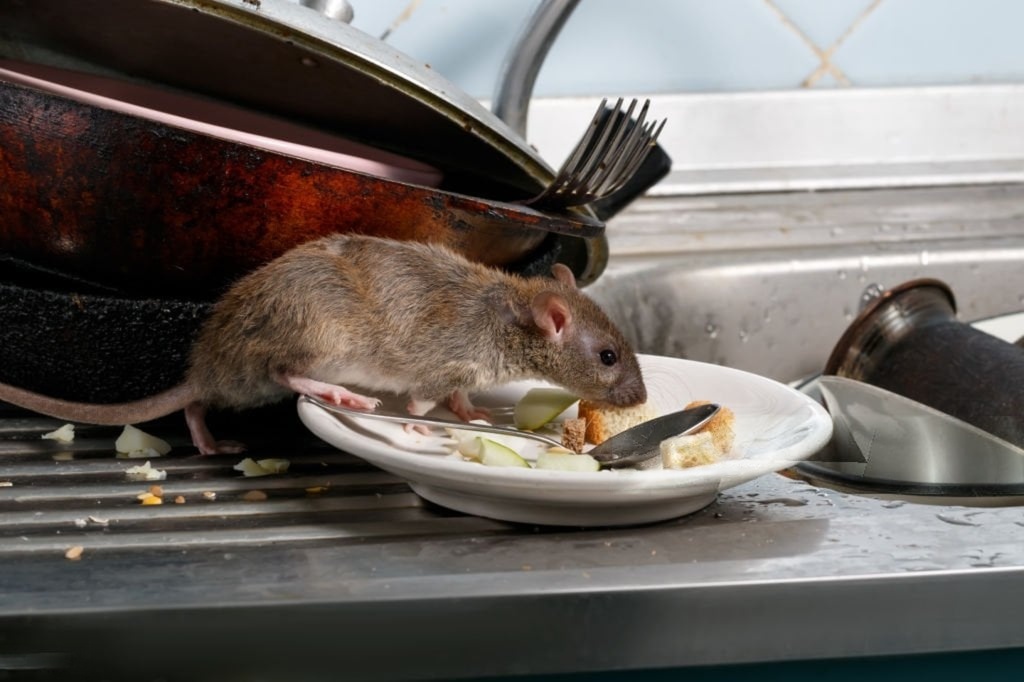
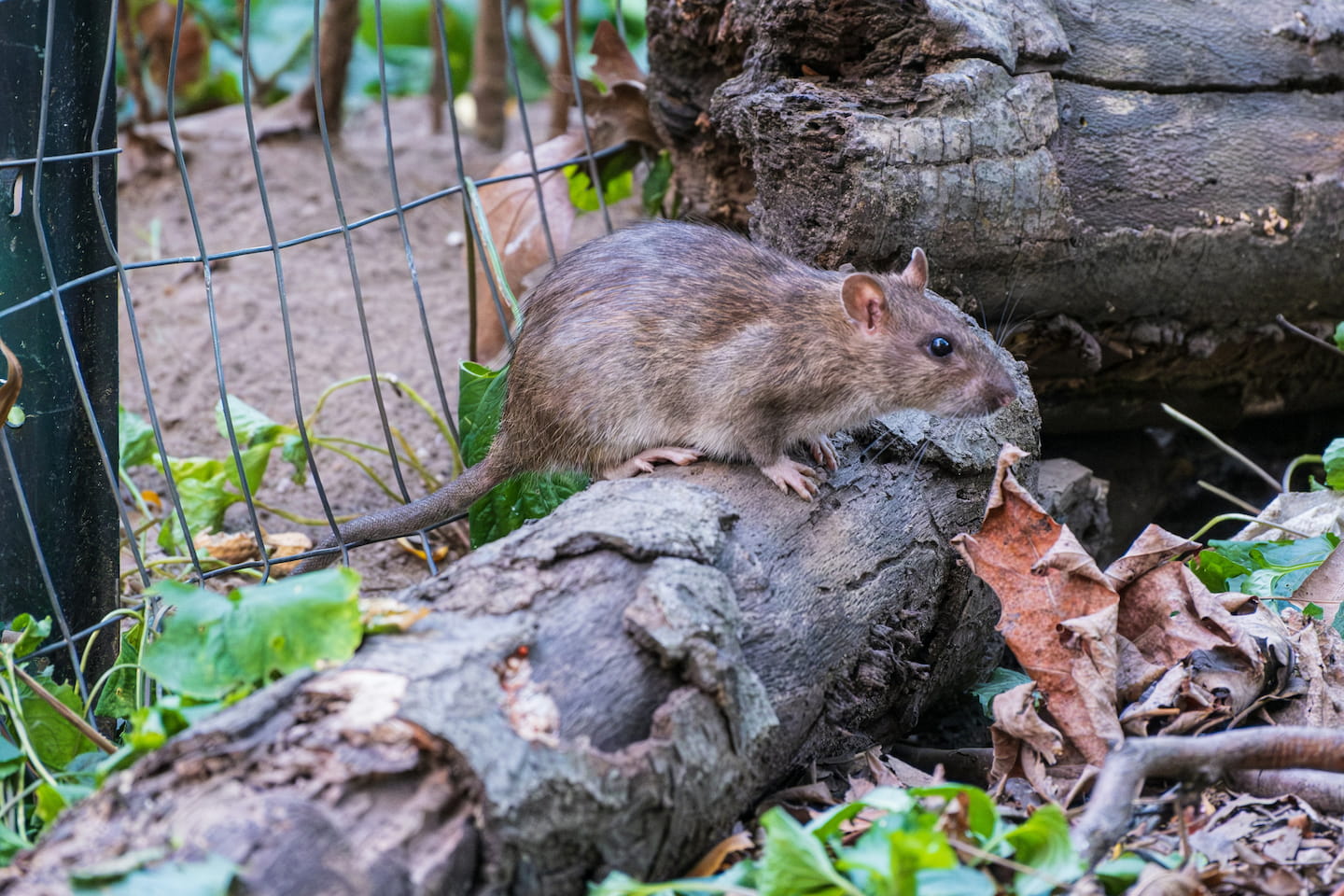
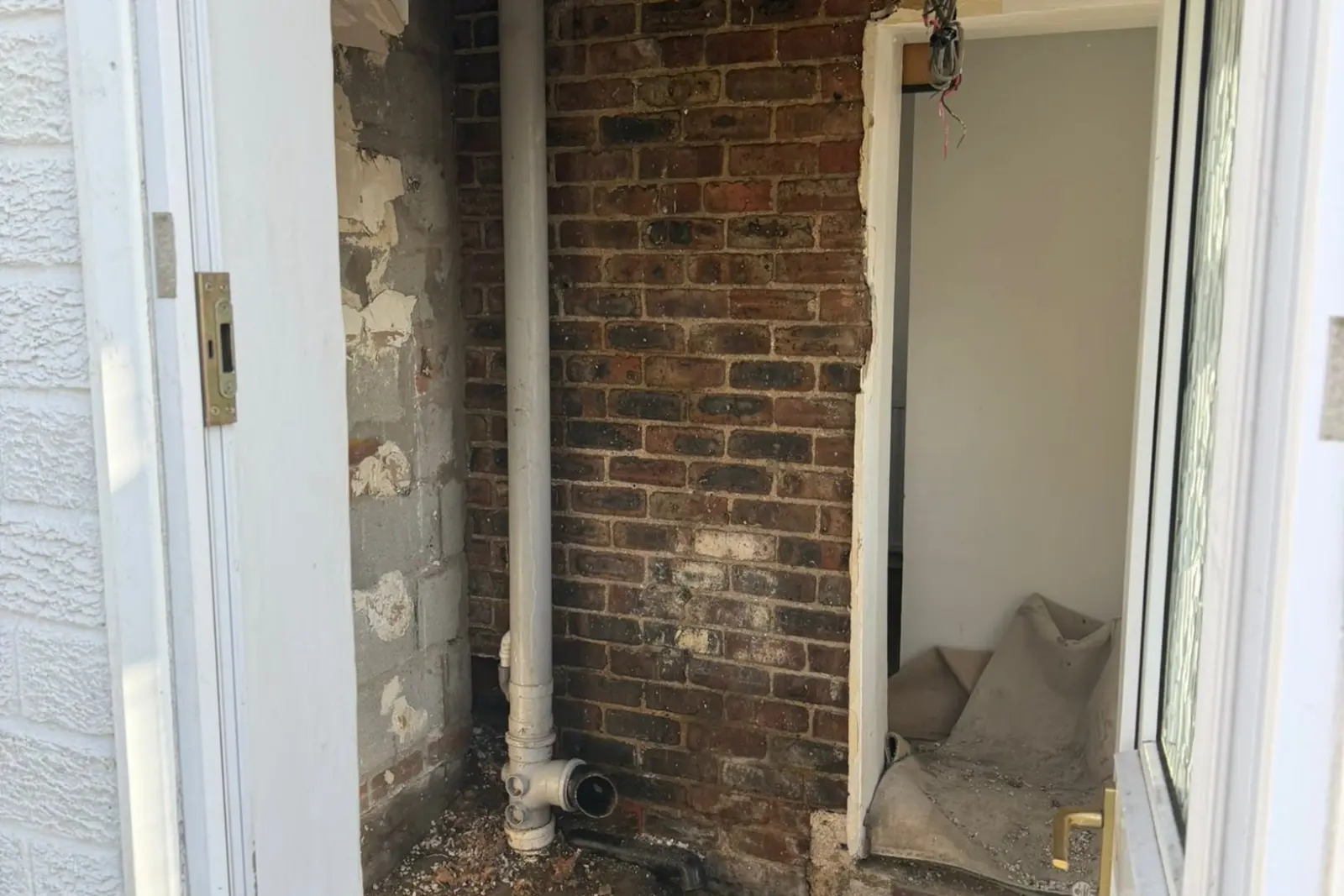
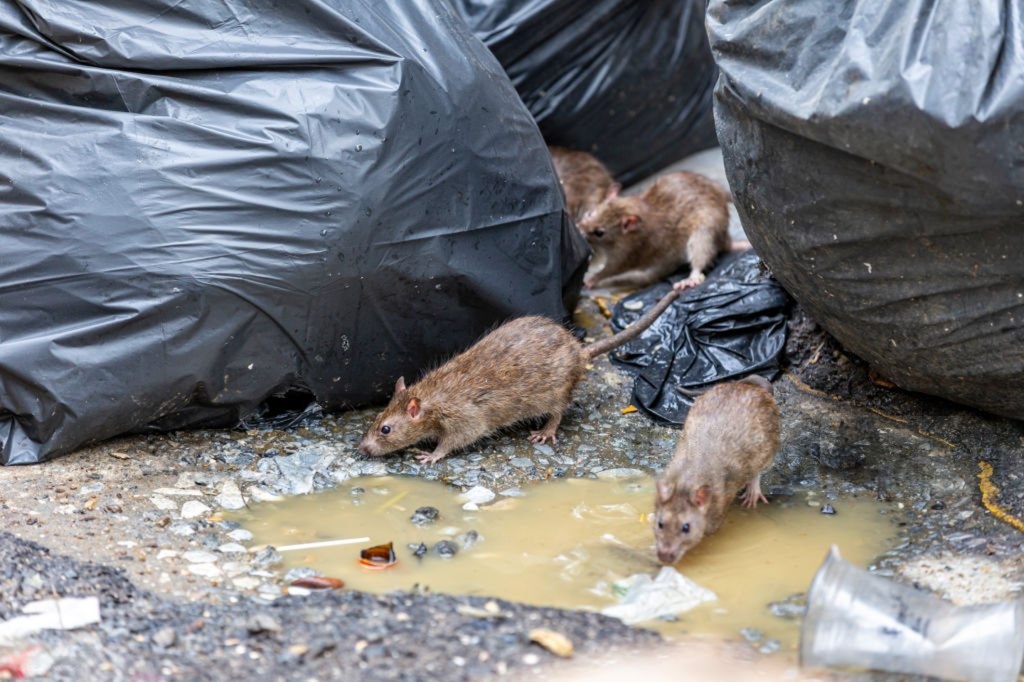
Rodents represent Harrogate’s most persistent pest problem. The town’s Victorian and Edwardian housing stock provides ideal nesting conditions through cavity walls, complex roof structures, and aging drainage systems. Rats access properties through damaged drains, gaps around pipes, and openings in foundations. Mice enter through surprisingly small gaps—just 6mm for mice, 15mm for rats.
High Harrogate and Low Harrogate’s Victorian terraces experience particularly high rodent activity. These properties feature architectural characteristics rats exploit including cavity walls providing hidden travel routes, suspended floors creating void spaces perfect for nesting, original drainage systems sometimes with structural issues, and mature gardens offering food sources and shelter.
Starbeck and Pannal also see significant rodent problems despite newer housing stock. Semi-rural settings provide higher baseline rodent populations from surrounding fields and woodlands. Modern properties aren’t immune—rats access through damaged airbricks, gaps where utilities enter buildings, and unsealed waste pipes.
Professional rodent control succeeds in Harrogate properties because we understand local building characteristics, identify all entry points specific to property age and type, use professional-grade products unavailable to homeowners, and provide guaranteed elimination rather than temporary reduction.
Seasonal patterns affect Harrogate rodent activity. Autumn sees peak infestations as rodents seek shelter from dropping temperatures. Spring triggers breeding seasons amplifying existing populations. However, Harrogate properties can experience rodent problems year-round if conditions are favorable.
Wasps
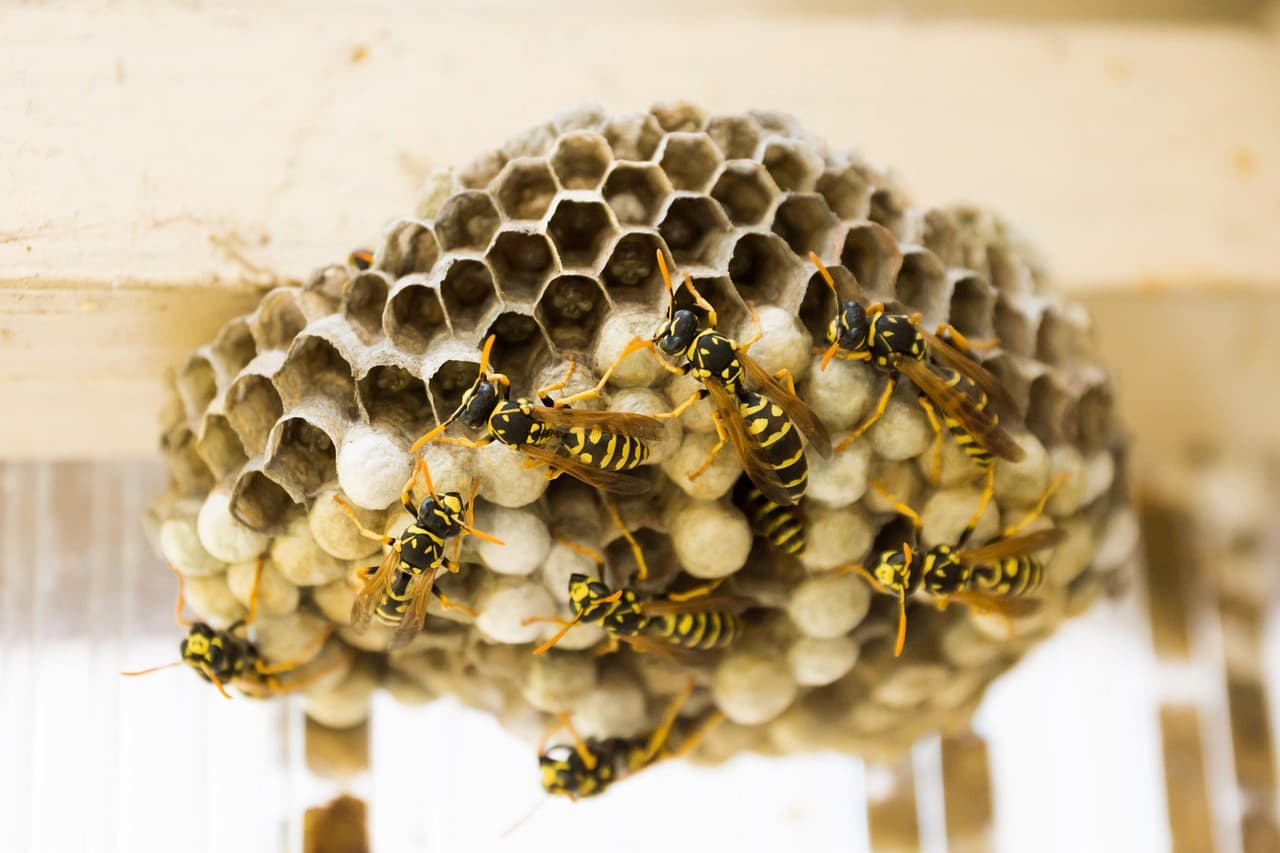
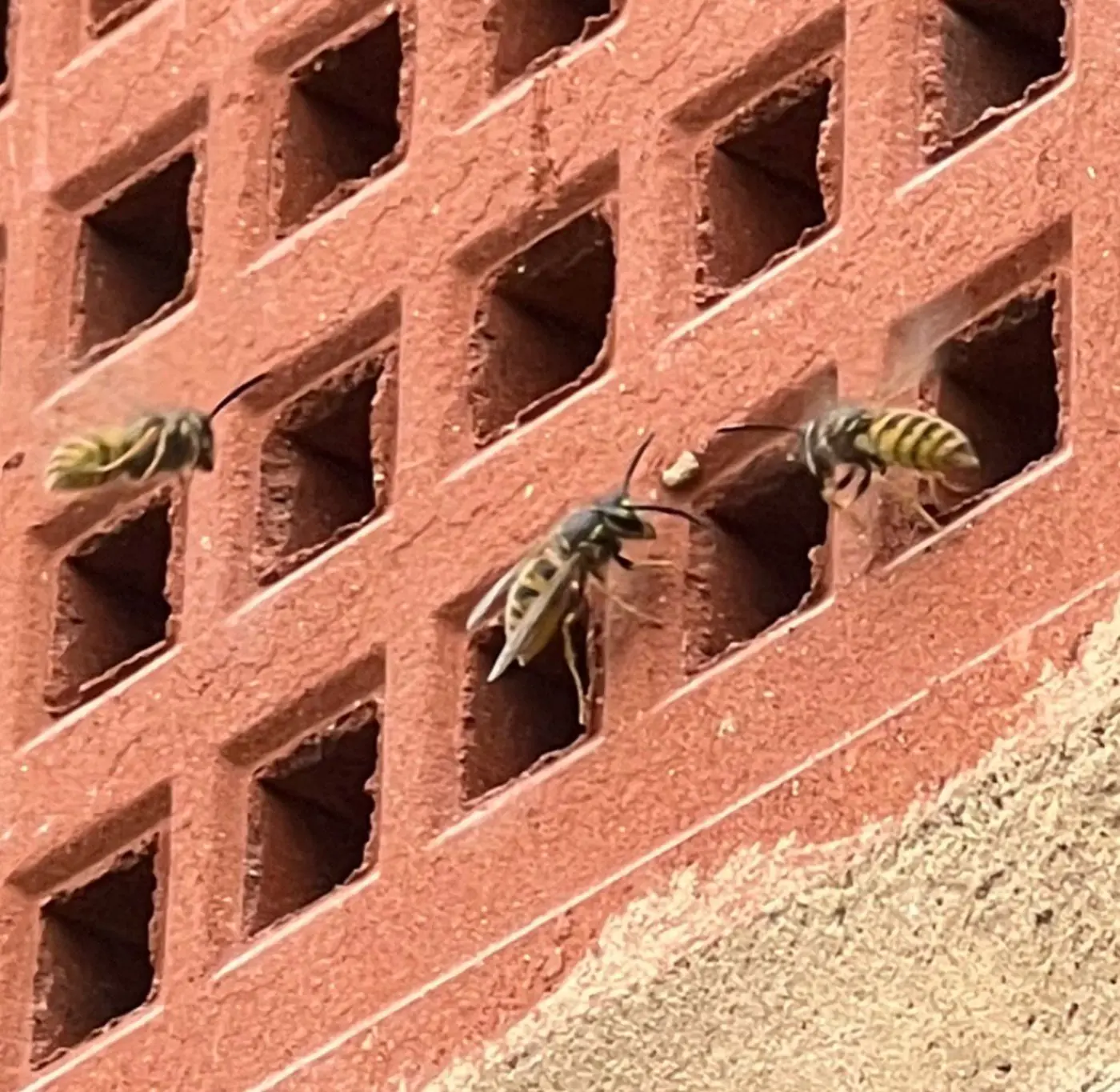
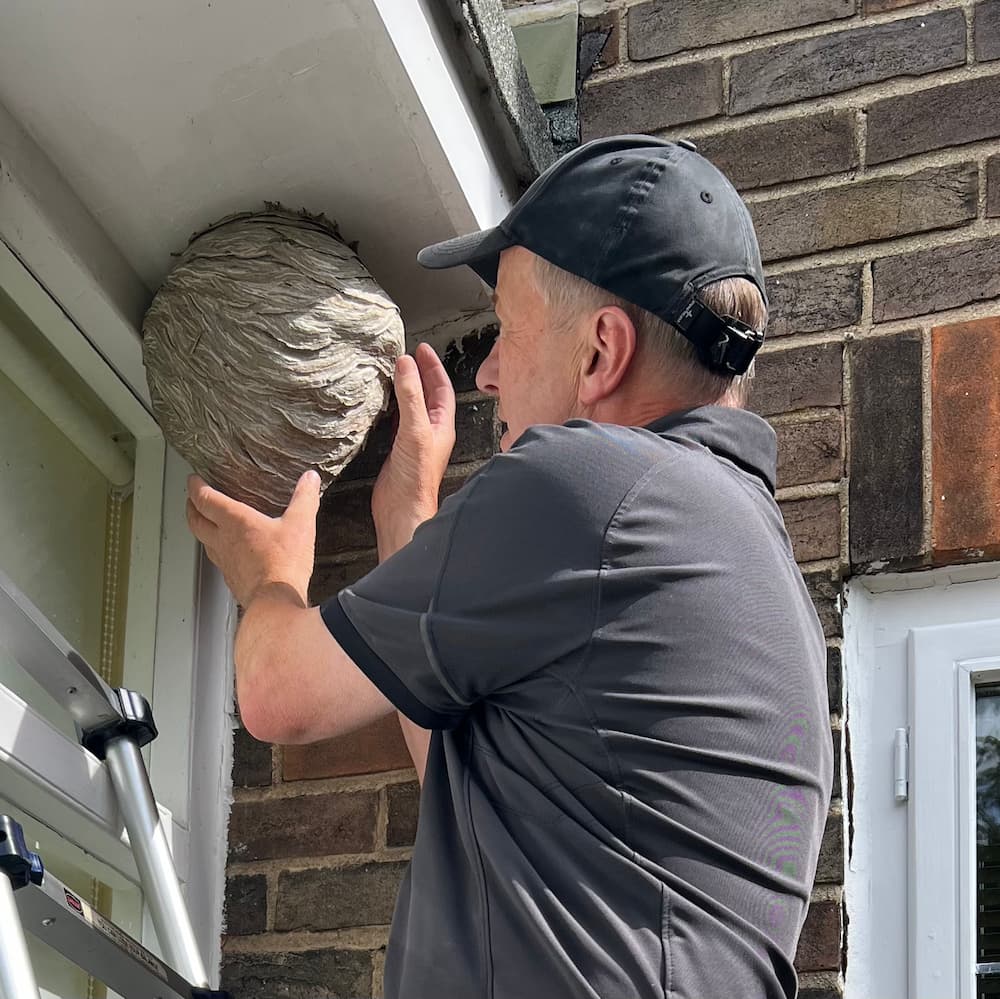
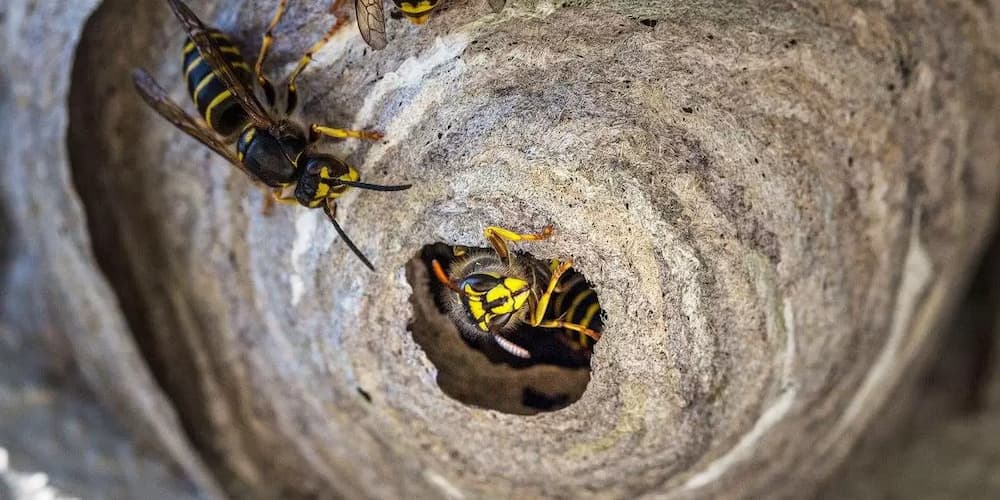
Wasp season in Harrogate runs April through October with peak problems July and August. The town’s architectural features and mature landscaping provide ideal nesting sites. Common wasp nest locations include loft spaces in Victorian and Edwardian properties, soffits and eaves particularly on older buildings, wall cavities accessed through damaged mortar or airbricks, garden sheds and outbuildings, and mature hedgerows and trees in established gardens.
Harrogate residents often discover wasp nests later than urban counterparts. Larger properties with extensive gardens mean nests establish in remote locations—garden sheds used only occasionally, loft spaces accessed infrequently, or dense vegetation in rarely-visited garden areas. By discovery time, nests can be substantial with thousands of wasps.
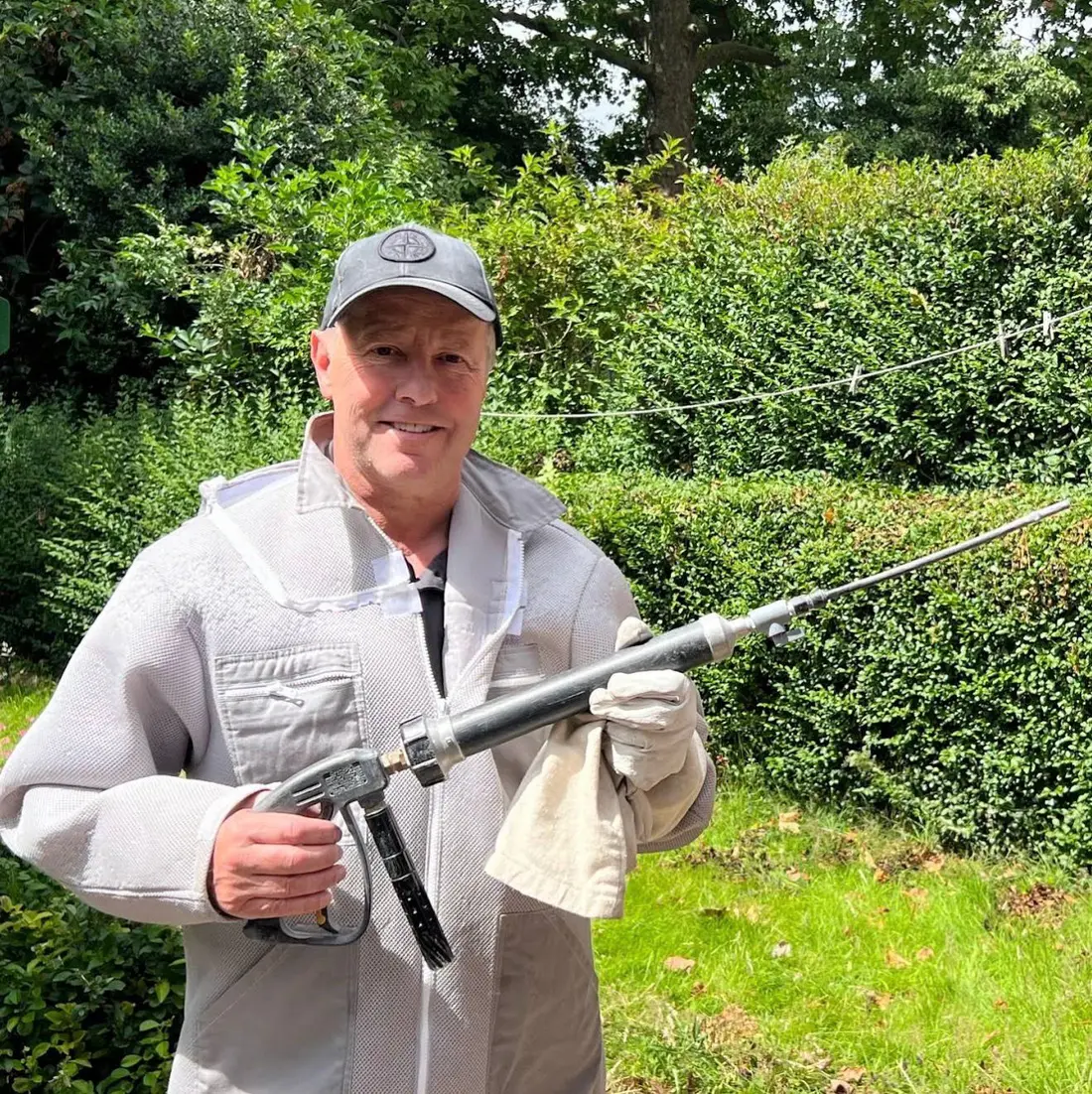
Professional wasp nest removal in Harrogate typically costs £80-100 depending on location accessibility. Treatment is immediate with professional insecticides, nests become inactive within 24 hours, and we guarantee results. DIY wasp nest removal is extremely dangerous—Harrogate Hospital treats numerous wasp sting casualties every summer from failed DIY attempts.
Squirrels
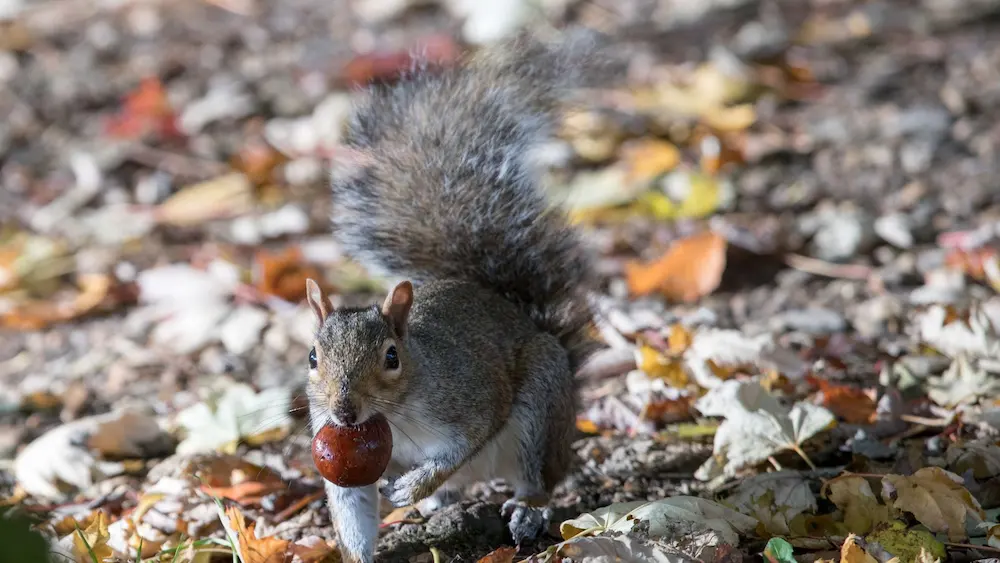
Grey squirrels represent a growing problem across Harrogate, particularly in areas bordering woodland and parks. Pannal, Hookstone, Killinghall, and properties near Valley Gardens experience high squirrel activity. These areas’ mature trees and semi-rural setting provide ideal squirrel habitat.
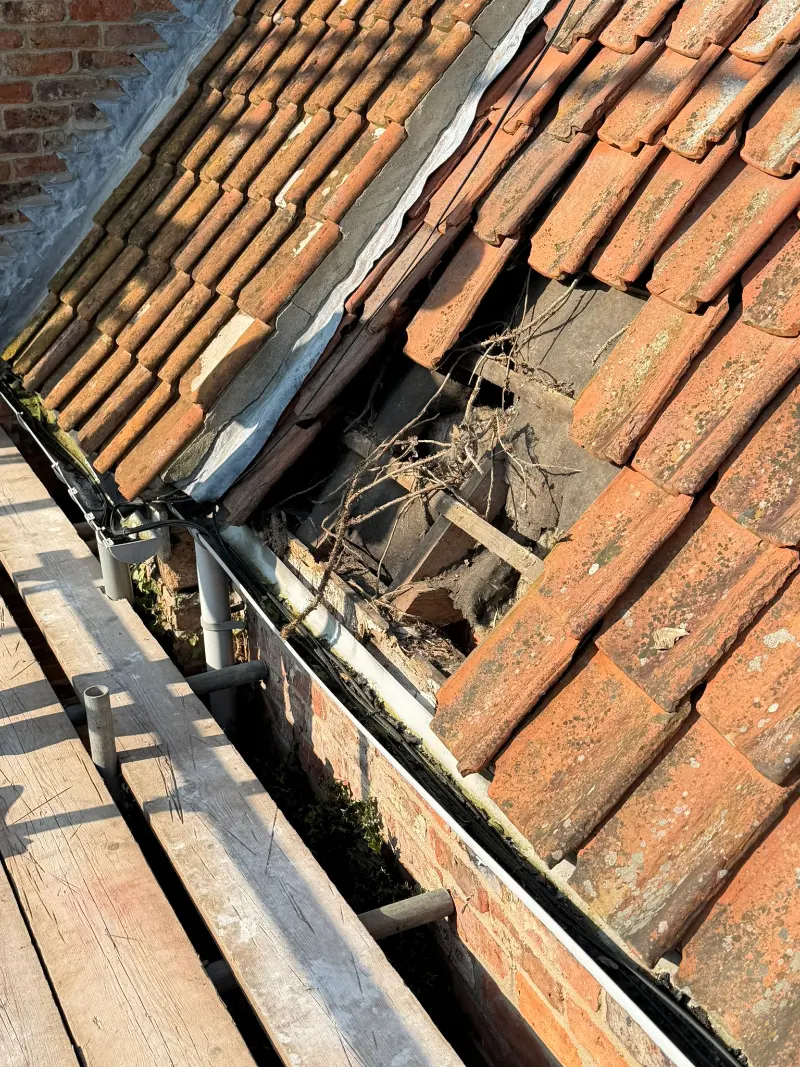
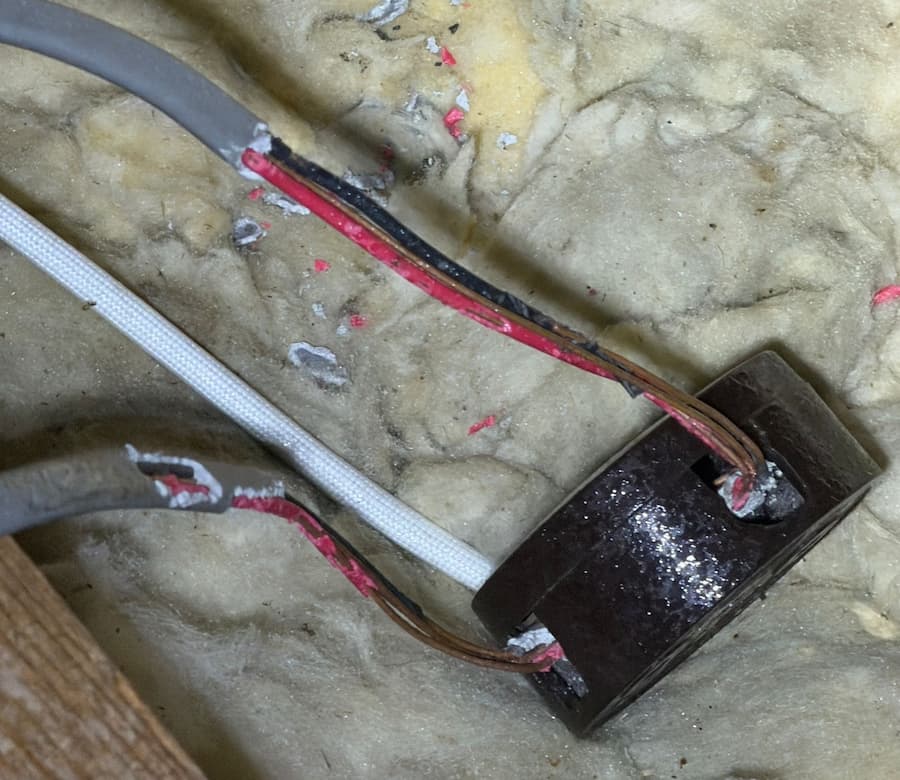
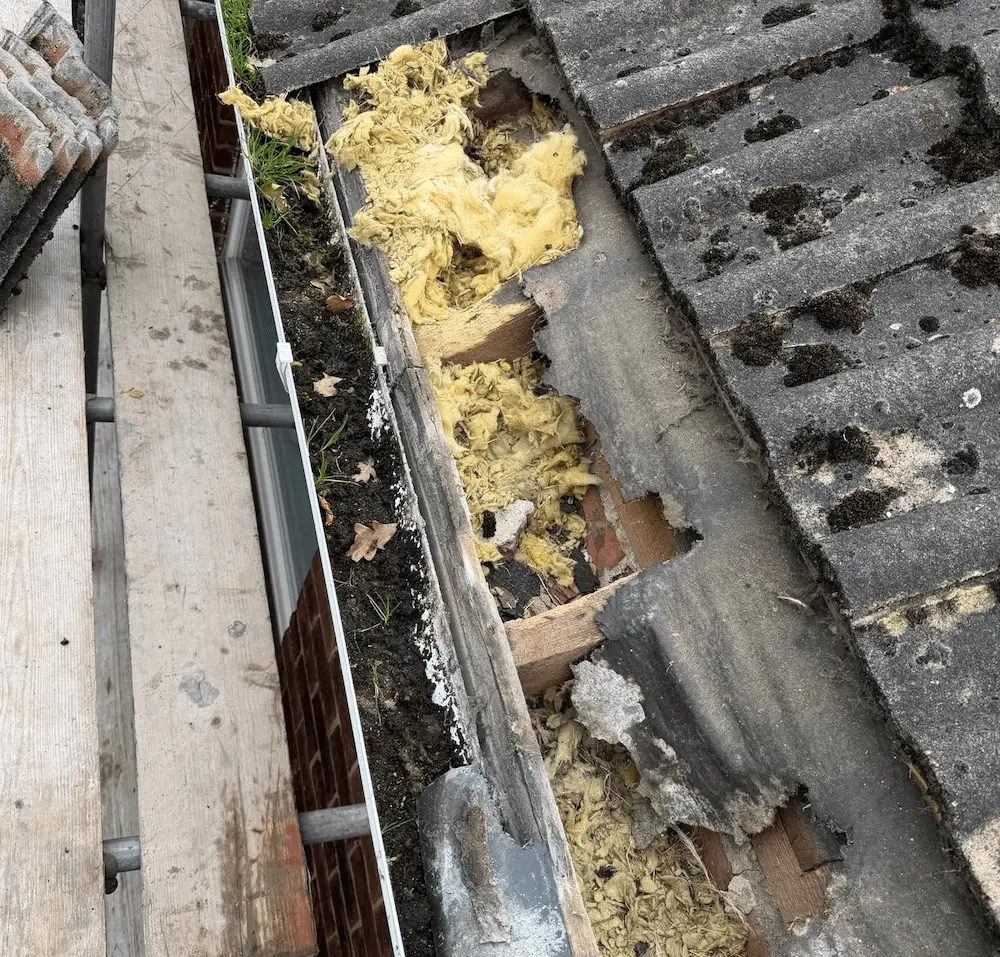
Squirrels access Harrogate lofts through damaged soffits, gaps where rooflines meet walls, holes around chimney stacks, and damaged roof tiles. Once inside, they cause extensive damage through chewing electrical wiring creating fire risks, shredding insulation for nesting material, damaging stored items in loft spaces, and creating noise disturbance particularly at dawn.
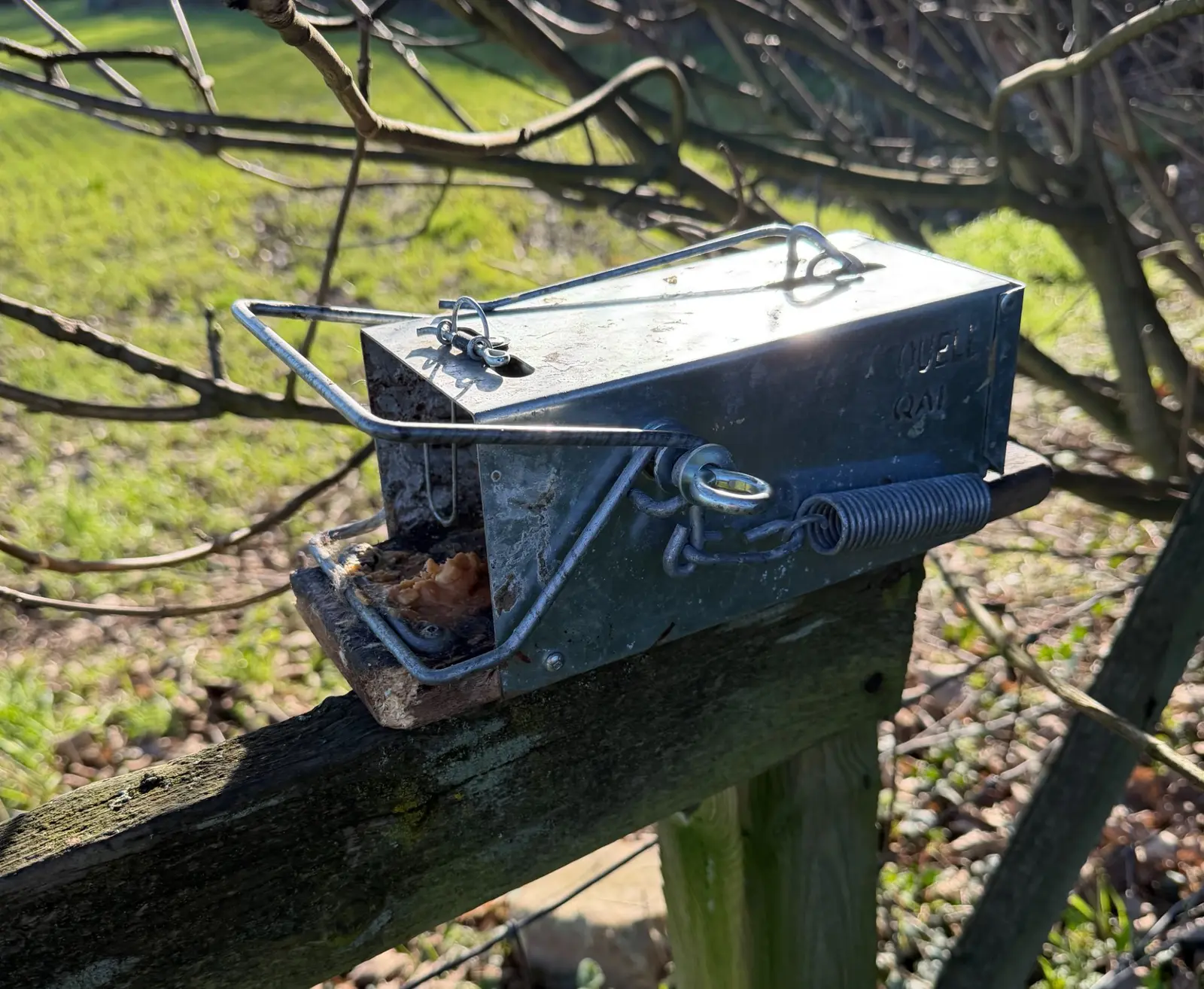
Squirrel removal requires professional trapping using Kanya traps positioned on trees or roof access points, sealing all entry points with materials squirrels cannot chew, and ongoing monitoring ensuring no re-entry. Our recent Scotton job near Knaresborough removed seventeen squirrels from a single property—the owner thought they had two or three.
Moths
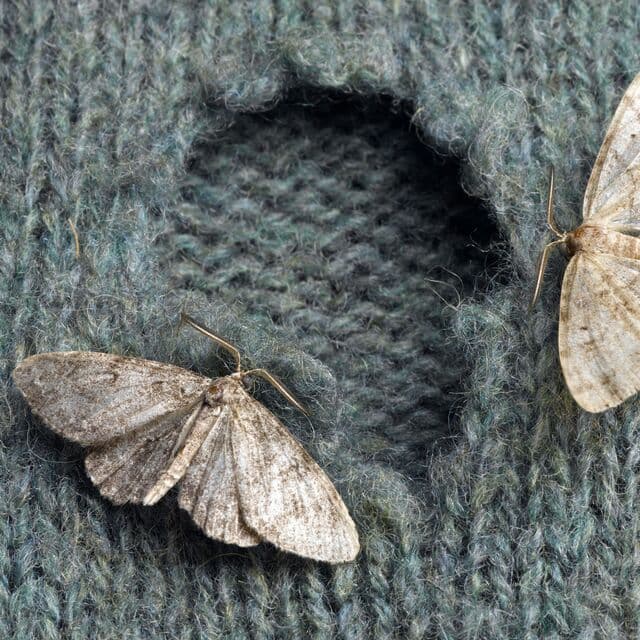
Carpet moths and clothes moths thrive in Harrogate’s affluent properties where wool carpets, quality textiles, and stored clothing provide perfect breeding conditions. High Harrogate particularly experiences moth problems due to higher concentrations of period properties with original wool carpets and extensive wardrobes.
Moths target undisturbed areas including carpet under furniture rarely moved, stored woolens in wardrobes and drawers, vintage textiles and rugs, and spare bedrooms used infrequently. Harrogate’s older properties with multiple bedrooms often have rooms that sit empty for months—ideal moth breeding grounds.
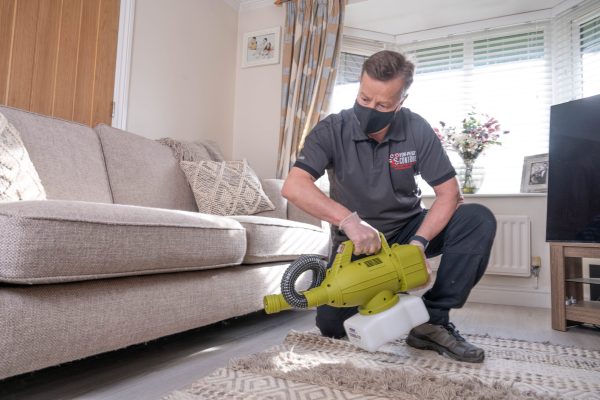
Professional moth treatment involves comprehensive insecticide application to all affected areas, treatment of furniture, carpets, and surrounding areas, advice on laundering affected textiles, and follow-up visits ensuring complete elimination. Treatment costs £100-200 depending on infestation extent.
Garden Moles
Harrogate’s established residential gardens with mature lawns experience significant mole activity. The town’s geology and soil conditions suit mole populations, and properties with large gardens particularly in Pannal, Hookstone, and areas bordering countryside see persistent mole problems.
Moles create unsightly molehills, damage lawns through tunneling, and undermine paths and patios. Professional mole control uses trapping rather than ineffective deterrents, locates active tunnel systems through experienced assessment, and provides ongoing management for properties with persistent problems.

Commercial Pest Issues
Harrogate’s thriving hospitality and retail sectors require professional pest control. The town’s numerous restaurants, cafes, hotels, and food retailers must maintain strict pest management for Environmental Health compliance and reputation protection. Harrogate’s tourist economy means pest problems in commercial premises damage business reputation severely through online reviews and social media.
Commercial pest control in Harrogate provides regular monitoring and documentation, guaranteed response times for urgent issues, discreet service protecting business reputation, and comprehensive reporting for Environmental Health requirements.
Harrogate Property Types and Pest Vulnerability
Understanding your Harrogate property type helps anticipate likely pest problems and implement effective prevention.
Victorian and Edwardian Terraces
High Harrogate and Low Harrogate’s Victorian and Edwardian terraces represent beautiful period architecture—and pest control challenges. Built 1850-1920, these properties feature construction methods creating numerous pest vulnerabilities.
Cavity wall construction provides hidden spaces rats and mice exploit. The gap between inner and outer brick walls becomes a rodent highway through the property. Wasps nest in these cavities accessed through damaged airbricks or gaps around utilities. Squirrels occasionally access cavities from loft spaces, creating noise throughout the house.
Suspended timber floors create void spaces under ground floors. Rats nest in these voids, accessing through gaps in external walls or damaged airbricks. The voids provide perfect breeding sites protected from disturbance.
Complex roof structures with multiple valleys, junctions, and architectural features create wasp nesting opportunities in soffits, eaves, and roof voids. Original roof tiles sometimes have gaps allowing pest access. Loft spaces in these properties are large, providing extensive nesting territory for rats, squirrels, or wasps.
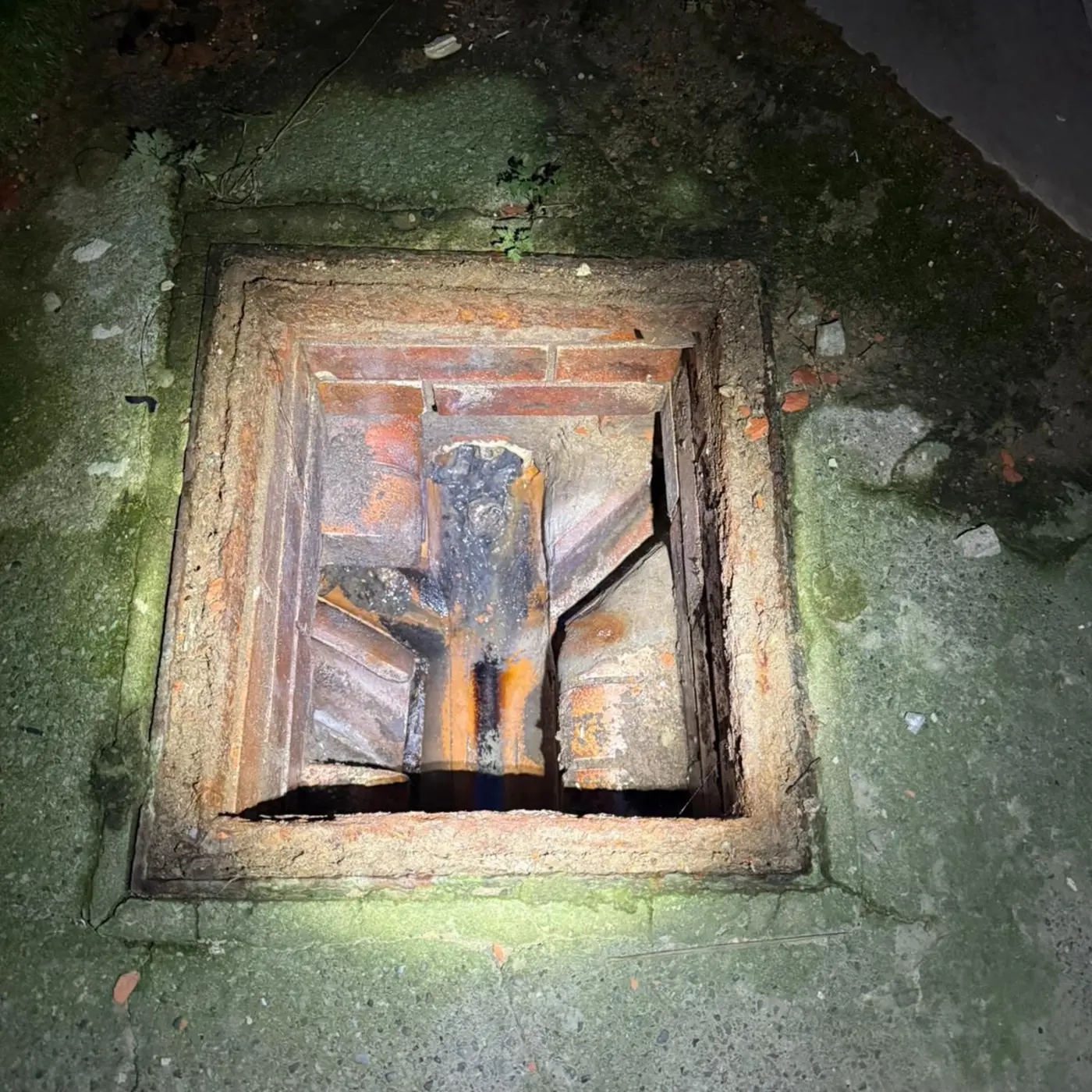
Original drainage systems sometimes have structural issues. Cracked drains, damaged connections, or collapsed sections provide rat access directly into properties. Victorian-era drainage often lacks modern pest-proofing measures.
However, these vulnerabilities are manageable with proper professional attention. We’ve pest-proofed hundreds of Harrogate’s period properties, eliminating problems while respecting architectural character.
Edwardian and Inter-War Properties
Properties built 1900-1940 across Harrogate share many characteristics with Victorian terraces but often feature slightly more modern construction. These properties throughout Duchy Estate, parts of Starbeck, and established areas still have cavity walls, suspended floors, and complex roof structures creating pest opportunities.
Edwardian properties often have larger gardens than Victorian terraces. Mature gardens provide habitat for garden pests including moles, and vegetation near buildings creates access routes for rodents and squirrels. Garden sheds, greenhouses, and outbuildings from this era provide additional wasp nesting sites.
Post-War and Modern Properties
Starbeck, Pannal, and newer developments feature post-1950s construction with different pest vulnerabilities. Modern cavity walls still provide rodent access if airbricks are damaged or utility entry points aren’t properly sealed. Modern drainage systems are generally more pest-resistant but aren’t immune to problems.
These properties often have smaller lofts with limited access. While this restricts pest habitat, it also makes treatment more difficult when problems occur. Modern insulation materials attract rodents for nesting.
Semi-rural new developments bordering countryside experience high wildlife pest pressure. Squirrels, rabbits, and rodents from surrounding fields naturally move into new housing areas as developments displace their habitat.
Apartments and Conversions
Harrogate’s Victorian properties frequently undergo conversion to apartments. Converted properties present unique pest control challenges. Shared wall cavities allow pests to move between units. One apartment’s rodent problem quickly becomes the building’s problem. Shared loft spaces mean wasp nests or squirrels affect multiple residents.
Individual apartment residents sometimes attempt DIY pest control treating only their unit. This fails because pests simply move to untreated areas. Whole-building approaches under building management are essential for effective pest control in converted properties.
Harrogate Neighbourhoods: Pest Patterns
Different Harrogate areas experience different pest pressures based on property age, proximity to countryside, and garden characteristics.
High Harrogate
High Harrogate’s grand Victorian and Edwardian properties experience all pest types. The area’s mature gardens, established trees, and older building stock create ideal conditions for rats, mice, wasps, moths, and squirrels. Properties near Valley Gardens see particularly high squirrel activity.
The neighbourhood’s affluent character means properties often have wool carpets, quality textiles, and stored items attracting carpet moths. Large properties with multiple rooms sometimes have infrequently used spaces where moth problems establish unnoticed.
Low Harrogate
Low Harrogate’s Victorian terraces and Edwardian properties share High Harrogate’s pest vulnerabilities. The area’s denser housing means rodent problems can affect multiple adjacent properties through connected building structures and shared gardens.
Commercial premises along high streets require vigilant pest management. Restaurants, cafes, and retail units must maintain strict control for licensing and reputation.
Starbeck
Starbeck’s mix of Victorian terraces and post-war housing experiences varied pest problems. Older properties have traditional Victorian vulnerabilities while newer estates face semi-rural pest pressure from surrounding fields.
The area’s railway heritage means some properties sit near embankments and railway land providing rodent habitat. Properties backing onto railway corridors experience elevated rodent activity.
Duchy Estate
Duchy Estate’s predominantly Edwardian and inter-war properties feature larger gardens than central Harrogate. Garden size correlates with mole problems and provides more wasp nesting opportunities in sheds, outbuildings, and mature vegetation.
The area’s established character means mature trees attracting squirrels. Properties with overhanging branches near rooflines see squirrel access to lofts.
Pannal and Hookstone
Pannal and Hookstone’s semi-rural character bordering countryside creates high wildlife pest pressure. Squirrels are particularly common in these areas due to extensive woodland. Garden moles thrive in the area’s established lawns and favorable geology.
Modern properties in these areas aren’t immune to pests. New developments near countryside experience rodent migration from fields as agriculture and seasonal changes affect food availability.
Killinghall and Hampsthwaite
These villages near Harrogate experience higher wildlife pest activity than urban areas. Squirrels, rats from agricultural areas, and garden moles are common. Properties with large gardens and proximity to fields see persistent pest pressure requiring ongoing professional management rather than one-off treatments.
Seasonal Pest Patterns in Harrogate
Understanding Harrogate’s seasonal pest patterns helps anticipate problems and implement timely prevention.
Spring (March-May)
Spring sees wasp queens emerging from hibernation searching for nest sites. April and May are ideal times for wasp prevention—queens are vulnerable before establishing colonies. Professional spring wasp inspection identifies and removes early nests preventing summer problems.
Rodent breeding season begins in spring. Existing rat and mouse populations expand rapidly as females produce multiple litters. Small rodent problems detected in winter become significant infestations by May if untreated.
Garden moles become active after winter dormancy. Lawn damage appears as moles extend tunnel systems and create molehills. Early spring mole control prevents extensive summer damage.
Summer (June-August)
Peak wasp season runs through summer. Nests established in spring reach maximum size July and August containing thousands of wasps. Harrogate residents spend more time in gardens encountering nests in sheds, vegetation, or ground locations. Professional wasp removal is essential—never attempt DIY treatment of established nests.
Moth activity increases in summer warmth. Adult moths lay eggs in carpets and textiles with larvae emerging to feed on wool fibers. Unused rooms in Harrogate’s larger properties can develop significant moth infestations over summer months.
Squirrels breed twice yearly including summer. Squirrel activity in Harrogate lofts intensifies as females seek nesting sites for second litters. Noise disturbance and damage increase during breeding periods.
Autumn (September-November)
Autumn is peak season for rodent infestations. As temperatures drop, rats and mice seek shelter in Harrogate properties. September through November sees highest call-out rates for rodent problems. Preventive measures implemented in early autumn—sealing entry points, removing food sources, addressing drainage issues—prevent costly winter infestations.
Wasps become more aggressive in September as colonies begin dying. Workers no longer have purpose feeding larvae, becoming attracted to sweet foods and drinks. Wasp problems at outdoor gatherings peak in early autumn despite nests beginning natural decline.
Squirrels intensify loft activity preparing for winter. They gather nesting material, create food stores, and establish secure winter shelter. Autumn squirrel removal is ideal timing—preventing winter occupation and spring breeding.
Winter (December-February)
Winter doesn’t eliminate pest problems in Harrogate. Rodents already inside properties continue breeding through winter. Heated homes provide perfect conditions for year-round rodent activity. Rats in lofts, wall cavities, or under floors don’t experience seasonal dormancy.
Squirrels remain active through winter in Harrogate lofts. Unlike true hibernators, squirrels simply nest through cold spells emerging during mild periods. Winter squirrel removal prevents spring breeding and allows structural repairs before warmer weather.
Moths over-winter as larvae in carpets and textiles. Winter is ideal timing for moth treatment—larvae are vulnerable and adult moths haven’t yet emerged to lay new eggs.
Why Professional Pest Control Matters in Harrogate
Harrogate’s property characteristics make professional pest control particularly important compared to DIY attempts.
Complex Building Structures
Victorian and Edwardian properties throughout Harrogate feature architectural complexity DIY approaches cannot address. Cavity walls hide pest activity and movement routes. Suspended floors create inaccessible void spaces. Complex roof structures have entry points homeowners cannot reach safely. Original drainage systems require specialist knowledge and equipment.
Professional pest controllers understand Harrogate building types. We know where to look in Victorian terraces, how pests move through Edwardian properties, and which structural features create vulnerabilities. This local building knowledge is crucial for effective treatment.
Property Value Protection
Harrogate property values are significant. Pest problems damage property value through structural issues caused by rodents or squirrels, reputation damage if problems become known to neighbours, disclosure requirements when selling affecting marketability, and repair costs from pest damage.
Professional pest control protects property investment through guaranteed elimination rather than temporary reduction, documentation for property sales and insurance, structural protection preventing expensive damage, and preventive advice maintaining pest-free status.
Health and Safety Risks
Some pests create genuine health risks requiring professional handling. Rodent infestations involve disease transmission risks including leptospirosis (Weil’s disease), hantavirus, and salmonella. Wasp nests contain hundreds to thousands of wasps attacking simultaneously if threatened—multiple stings cause serious medical issues. Squirrel removal requires working at height and handling potentially aggressive animals.
Professional pest controllers have proper safety equipment, training, insurance, and health protocols ensuring safe effective treatment.
Guaranteed Results
Professional pest control provides guaranteed elimination. If pests return within guarantee periods, we retreat at no additional cost. This guarantee provides peace of mind DIY products cannot match. DIY attempts often involve spending £100-200 on multiple products that don’t work, followed by calling professionals anyway—spending more overall than professional service would have cost initially.
Prevention: Protecting Your Harrogate Property
Preventing pest problems costs less than treating established infestations. Harrogate homeowners can implement effective preventive measures.
Structural Maintenance
Regular property maintenance prevents pest access. Key preventive maintenance includes repairing damaged soffits and fascia boards, replacing damaged or missing roof tiles, sealing gaps around pipes and utilities with appropriate materials, repairing damaged airbricks or fitting mesh covers, and maintaining good drainage condition addressing issues promptly.
Victorian and Edwardian properties require particular attention to mortar condition. Damaged or missing mortar between bricks creates entry points for rodents and wasps. Regular repointing maintains both structural integrity and pest resistance.
Garden Management
Garden maintenance reduces pest attraction and access. Effective measures include trimming vegetation away from building walls and rooflines, removing potential nesting sites like debris piles and dense undergrowth, maintaining lawns identifying mole activity early, properly storing garden waste and compost, and controlling outdoor food sources including bird feeders attracting rodents.
Harrogate’s larger properties often have extensive gardens. Regular garden maintenance across entire property perimeters prevents pest establishment in remote garden areas.
Indoor Hygiene
Maintaining clean homes removes pest attractants. Important practices include proper food storage in sealed containers, prompt cleaning addressing spills and crumbs, regular vacuuming particularly under furniture, proper waste management with sealed bins, and decluttering reducing hiding places and nesting sites.
Larger Harrogate properties with multiple rooms should maintain hygiene standards in all spaces including infrequently used rooms where moth problems often establish.
Seasonal Inspections
Regular professional inspections identify problems early when treatment is simpler and cheaper. Recommended inspection timing includes spring wasp prevention before nest establishment, autumn rodent-proofing before peak infestation season, and annual comprehensive surveys for larger properties or those with previous problems.
When to Call Professional Pest Control
Certain situations require immediate professional attention rather than DIY attempts.
Call professional pest control immediately if you discover rat or mouse droppings in multiple locations suggesting established infestation, find a wasp nest anywhere on your property regardless of size, hear scratching or scampering sounds in walls, floors, or loft spaces, see squirrels entering or exiting your loft or roof area, notice carpet damage or adult moths in multiple rooms, or operate a commercial property with any pest evidence.
Additionally, if DIY attempts have failed after two weeks, professional help is necessary. Continued DIY spending wastes money while pests continue breeding. Early professional intervention costs less than delayed treatment of expanded infestations.
Harrogate Pest Control Services
Yor-Pest Control serves all Harrogate areas including High Harrogate, Low Harrogate, Starbeck, Duchy Estate, Pannal, Hookstone, Killinghall, and all HG postcodes. We also serve nearby Knaresborough, Ripon, and surrounding villages.
Our comprehensive services include rats and mice control with guaranteed elimination, wasp nest removal with same-day response available, squirrel removal and proofing, moth treatment for carpets and textiles, garden mole control, and commercial pest management with regular monitoring.
We provide same-day or next-day service for urgent situations, professional-grade treatments not available to homeowners, comprehensive guarantees on all work, honest advice about prevention and ongoing management, and transparent pricing with no hidden costs.
Emergency Response
We understand pest emergencies don’t follow business hours. Wasps around children’s play areas, rats in commercial kitchens, and squirrels causing immediate property damage require urgent response. We prioritize emergency situations providing same-day service when possible.
Harrogate Knowledge
Twenty years serving Harrogate means we understand local property types, common pest problems in specific neighbourhoods, seasonal patterns affecting the area, and building characteristics requiring specific approaches. This local knowledge ensures effective treatment first time.
Frequently Asked Questions
What are the most common pest problems in Harrogate?
The most common pest problems in Harrogate are rats and mice particularly in Victorian and Edwardian properties, wasps with peak season July-August, grey squirrels in loft spaces especially areas near woodland, carpet moths in wool carpets and quality textiles, and garden moles in established lawns. Harrogate’s semi-rural location bordering countryside and predominant older housing stock create ideal conditions for these pests compared to more urban areas.
How much does Harrogate Pest Control Cost?
Pest control costs in Harrogate typically range from £60-180 depending on pest type and property characteristics. Wasp nest removal costs £60-100 for standard accessible locations, rodent control £80-150 including follow-up visits, squirrel removal £120-180 with proofing work, moth treatment £100-200 depending on infestation extent, and garden mole control varies based on property size and mole activity levels. Commercial contracts with regular monitoring start from £60-150 monthly depending on property size and requirements.
Why do Harrogate properties get more pest problems than newer areas?
Harrogate’s predominantly Victorian and Edwardian properties feature cavity walls providing hidden pest routes, suspended floors creating void spaces for nesting, complex roof structures with multiple access points, original drainage systems sometimes with structural vulnerabilities, and mature gardens providing pest habitat and food sources. Additionally, Harrogate’s semi-rural setting bordering Yorkshire Dales countryside means higher baseline pest populations from surrounding agricultural land and woodland compared to purely urban areas.
Do you provide same-day pest control in Harrogate?
Yes, we provide same-day or next-day pest control service throughout Harrogate including all neighbourhoods and surrounding villages. We prioritize emergency situations including wasp nests in high-traffic areas threatening children or vulnerable people, active rat infestations in kitchens or commercial food premises, squirrels causing immediate property damage or fire risks, and commercial properties requiring urgent treatment for licensing or health inspection compliance. Call us early in the day for best same-day availability.
Which Harrogate neighbourhoods have the most pest problems?
All Harrogate areas experience pest problems, but Victorian and Edwardian neighbourhoods including High Harrogate, Low Harrogate, and Duchy Estate see higher rates due to older building stock with more pest vulnerabilities. Semi-rural areas bordering countryside including Pannal, Hookstone, Killinghall, and Hampsthwaite experience more wildlife pests including squirrels and garden moles due to proximity to woodland and fields. However, even modern properties in newer developments aren’t immune—pest problems occur across all Harrogate property types and locations.
Professional Harrogate Pest Control
If you’re experiencing pest problems in your Harrogate property or want preventive advice, contact us for honest assessment and transparent pricing. We serve all Harrogate areas with professional reliable service.
Call us now on 07951 392 424 for Harrogate pest control, or visit our Harrogate pest control page for more information about our services across the area.
Don’t let pest problems damage your Harrogate property or quality of life. Professional help is just a phone call away.