
Many York homeowners delay calling pest control, hoping problems resolve themselves or dismissing early warning signs as minor concerns. This delay transforms manageable situations into expensive infestations requiring extensive treatment. Understanding critical warning signs helps York residents act promptly, protecting property value and avoiding health risks.
Pest problems in York properties don’t announce themselves with obvious signs. Early indicators are often subtle—strange noises heard occasionally, minor property damage attributed to age, or fleeting sightings dismissed as one-off occurrences. However, these subtle signs typically indicate established pest activity requiring professional attention. This guide covers the warning signs York residents must never ignore across the most common pest control issues in York including rats, wasps, squirrels, and other pests affecting properties throughout the city.
Contents
- 1 Physical Evidence: Droppings and Signs of Activity
- 2 Strange Noises: What You’re Hearing
- 3 Visual Sightings: Seeing the Problem
- 4 Property Damage: Physical Evidence of Destruction
- 5 Odours and Smells
- 6 Behavioural Signs from Pets
- 7 Seasonal Patterns and Timing
- 8 When One Sign Means Many Problems
- 9 The Cost of Ignoring Warning Signs
- 10 What to Do When You Recognise Warning Signs
- 11 Professional Pest Control: The York Solution
- 12 Frequently Asked Questions
- 13 Don’t Wait—Act on Warning Signs Now
Physical Evidence: Droppings and Signs of Activity
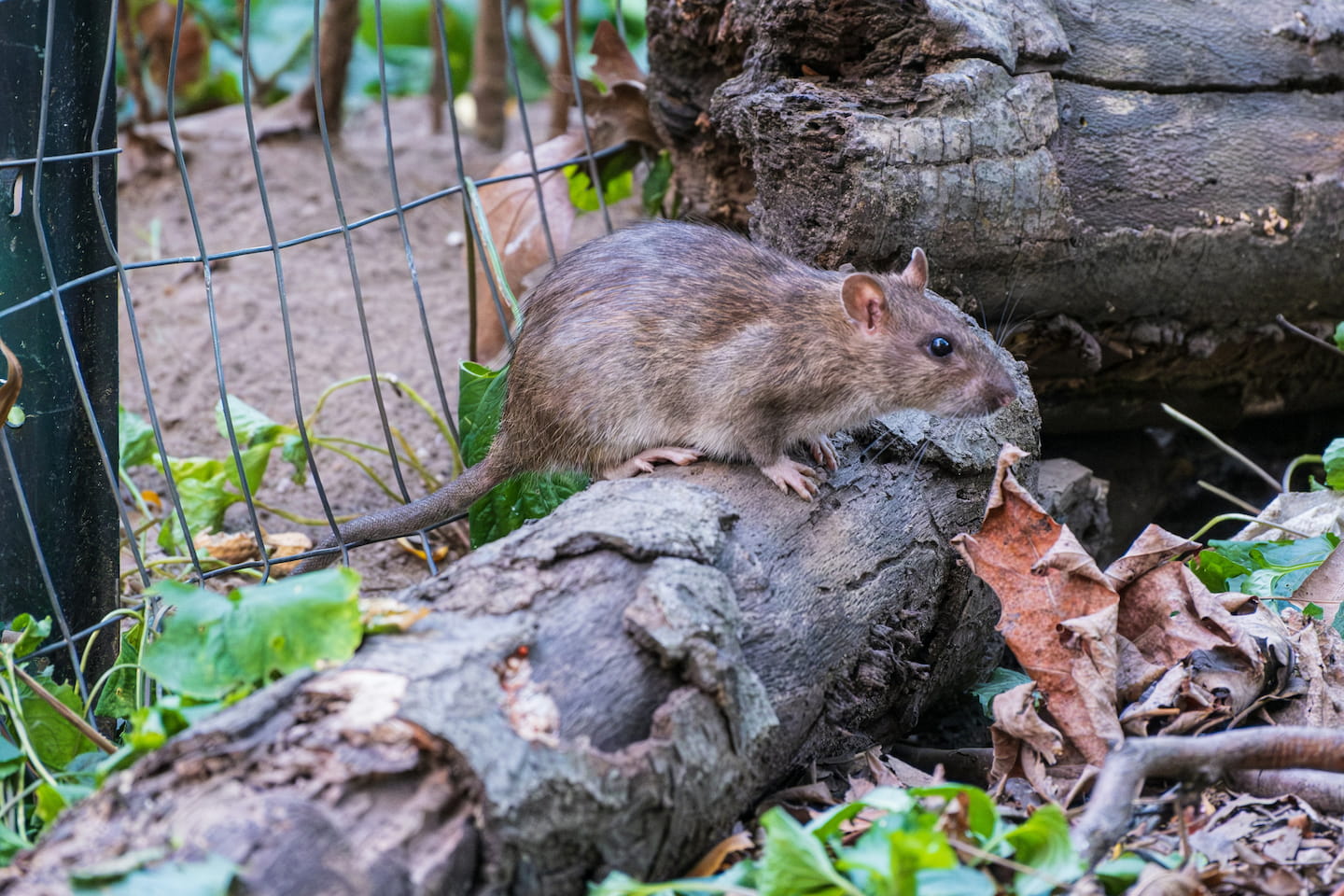
The most definitive pest evidence is discovering droppings in your York property. Different pests leave distinctive droppings allowing identification of the problem. Rat droppings are dark brown or black, tapered at both ends, approximately 12-18mm long, and found in concentrated areas along travel routes, near food sources, or in nesting locations. Fresh rat droppings appear moist and dark, while old droppings dry out becoming grey and crumbly—finding both fresh and old droppings indicates established activity over time.
Mouse droppings are smaller than rat droppings at 3-8mm, pointed at one end, and scattered randomly rather than concentrated. Mice produce 50-80 droppings daily, so extensive scattering throughout kitchen cupboards, along skirting boards, or in stored items indicates active infestation. Finding droppings in multiple York property locations—kitchen, bedrooms, loft spaces—proves rodents have established travel routes throughout your home. This multi-location evidence requires immediate professional rat control because DIY approaches cannot address infestations occupying entire properties. Additionally, look for smear marks along walls and skirting boards where rodents repeatedly travel the same routes, leaving greasy marks from their fur, and urine staining visible under UV light creating characteristic patterns along rodent pathways.
Strange Noises: What You’re Hearing
Unexplained sounds in York properties typically indicate pest activity. The key is recognising pest-specific noise patterns and timing. Rats create scratching, scampering, and gnawing sounds in walls, under floors, and in loft spaces. Rat activity peaks at dusk and dawn—hearing these sounds during these times strongly suggests rodent presence. Gnawing sounds are particularly distinctive as rats maintain continuously growing teeth by chewing wood, plastic, and even soft metals. If you hear persistent gnawing in walls or under floors, rats are likely damaging structural elements or wiring.
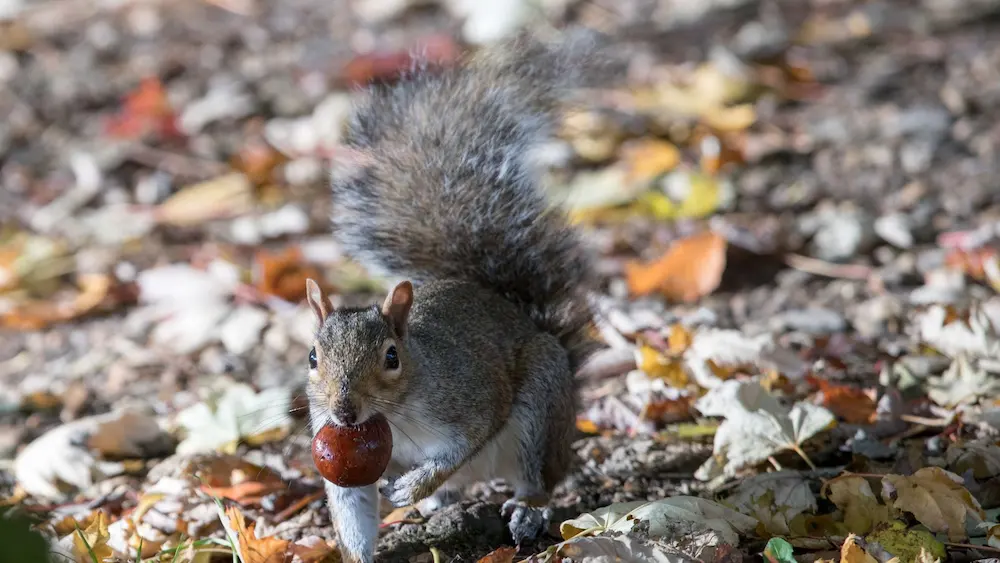
Squirrels make different sounds than rats—louder scampering across loft spaces, rolling sounds as they move stored items or nesting material, and scratching as they chew entry points or create nests. Squirrel activity concentrates at dawn when they’re most active. Homeowners often describe squirrel sounds as “something rolling around in the loft” or “heavy footsteps overhead.” These descriptions distinguish squirrels from lighter rat movements. Birds in chimneys or roof spaces create flapping, chirping, and rustling sounds. While birds don’t require pest control, distinguishing bird activity from rodent or squirrel activity matters for appropriate response. If uncertain about noise sources in your York property, professional inspection identifies the pest and appropriate treatment approach.
Visual Sightings: Seeing the Problem
Seeing live pests in your York property represents serious warning signs requiring immediate professional attention. Many homeowners dismiss single sightings as isolated incidents, but pest biology tells a different story. Seeing one rat indicates many more hiding—rats are nocturnal and secretive, avoiding human contact when possible. Daytime rat sightings suggest population pressure forcing rats to risk exposure searching for food and space. Similarly, seeing mice during the day indicates established infestation with numerous individuals competing for resources.
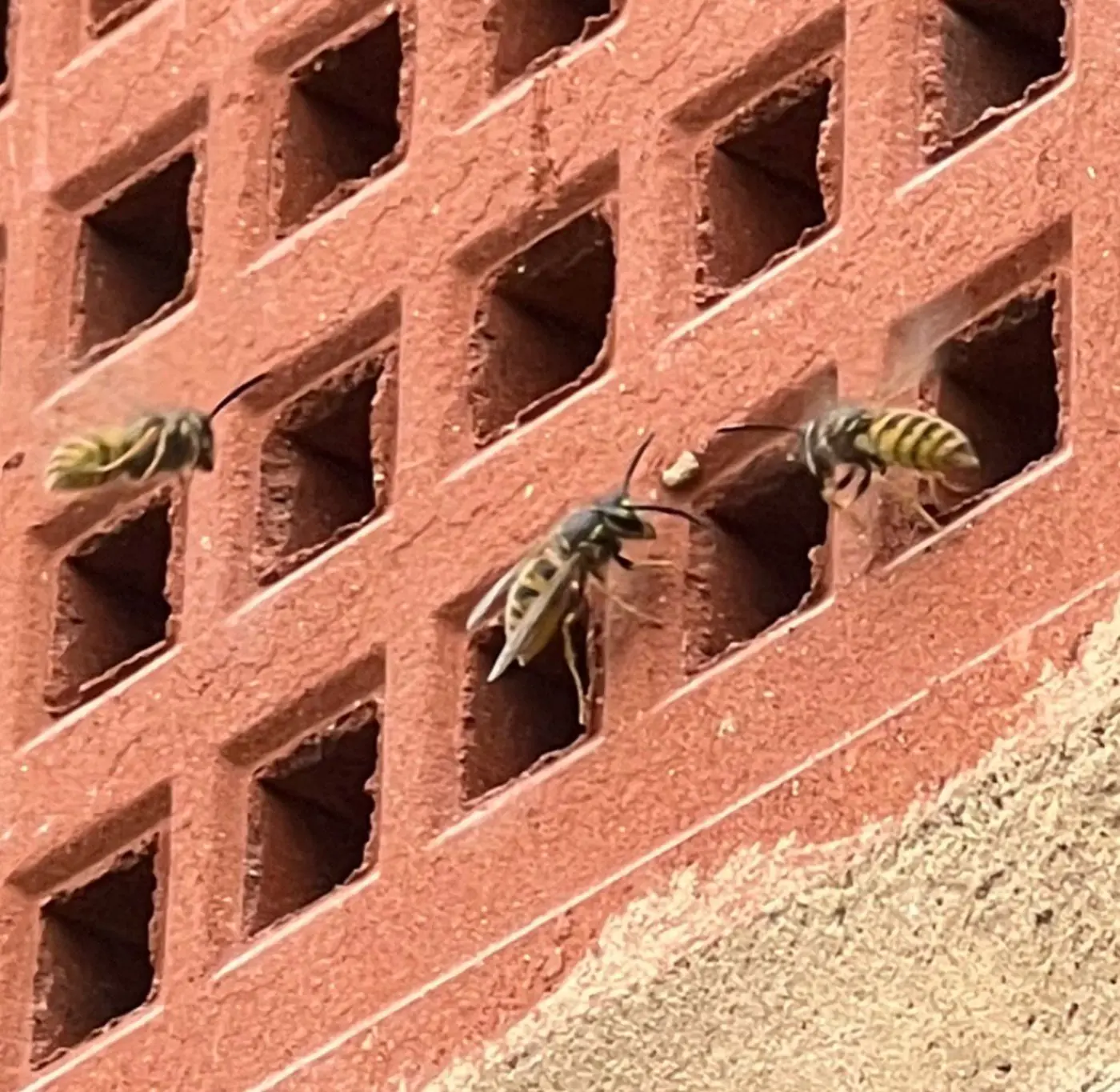
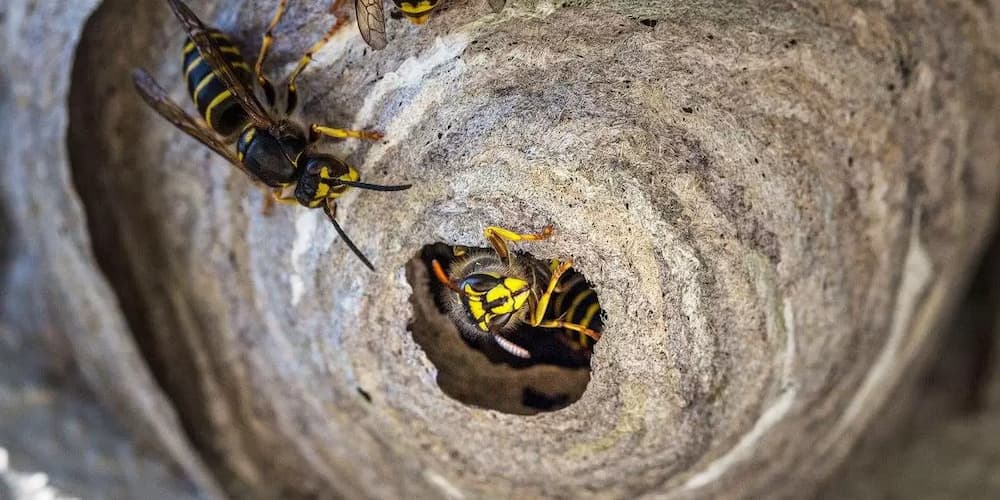
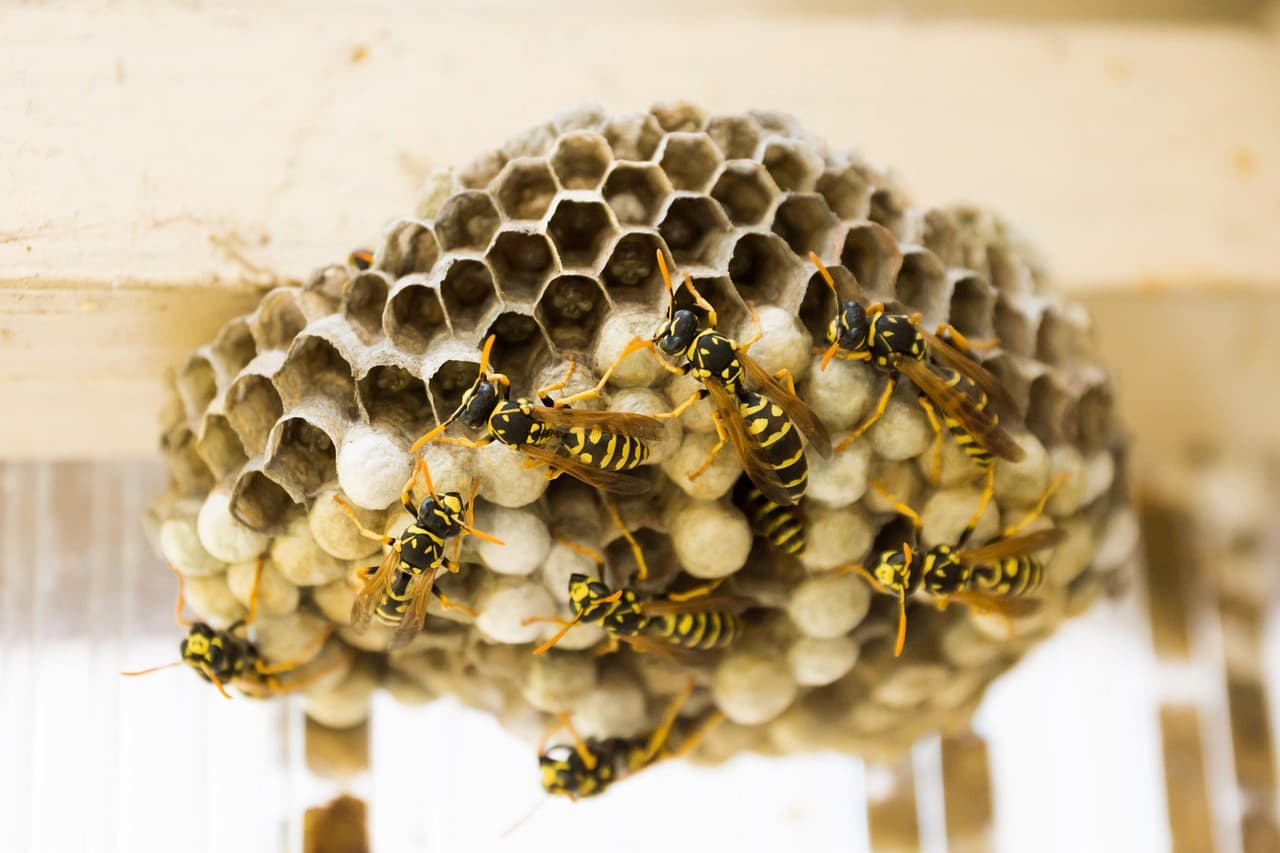
Wasp activity around your York property requires careful observation. Seeing individual wasps occasionally is normal during summer months. However, observing wasps repeatedly entering and exiting specific locations—soffits, airbricks, roof tiles, garden sheds—indicates nest presence. Wasp nests in April and May are small with dozens of wasps, but by July and August contain thousands creating genuine danger. Never investigate suspected wasp nest locations yourself—professional inspection and removal prevents dangerous stings. Squirrel sightings on your roof or entering loft spaces through gaps require immediate action. Squirrels breed twice annually—spring and summer—rapidly expanding populations if left untreated. Seeing squirrels repeatedly accessing your property indicates established occupation requiring professional removal and proofing.
Dead pests discovered in York properties also signal problems. Finding dead rats or mice suggests poisoning attempts—possibly your own DIY efforts or neighbours’ control measures. However, dead rodents indicate living populations nearby. Rodents don’t die immediately from poison, often returning to nests before succumbing. Finding multiple dead rodents over time proves ongoing activity requiring professional elimination rather than incomplete DIY treatment.
Property Damage: Physical Evidence of Destruction
Pest damage to York properties provides clear evidence requiring professional intervention. Different pests create distinctive damage patterns helping identification. Rats gnaw constantly, creating visible damage to wood, plastic, and soft metals. Check skirting boards, door frames, and stored items for gnaw marks—fresh gnawing exposes light-colored wood beneath, while old damage appears darker. Rats also chew through packaging accessing food in cupboards and pantries. Finding chewed food packaging, scattered food, or holes gnawed through cardboard and plastic containers indicates active rat presence.
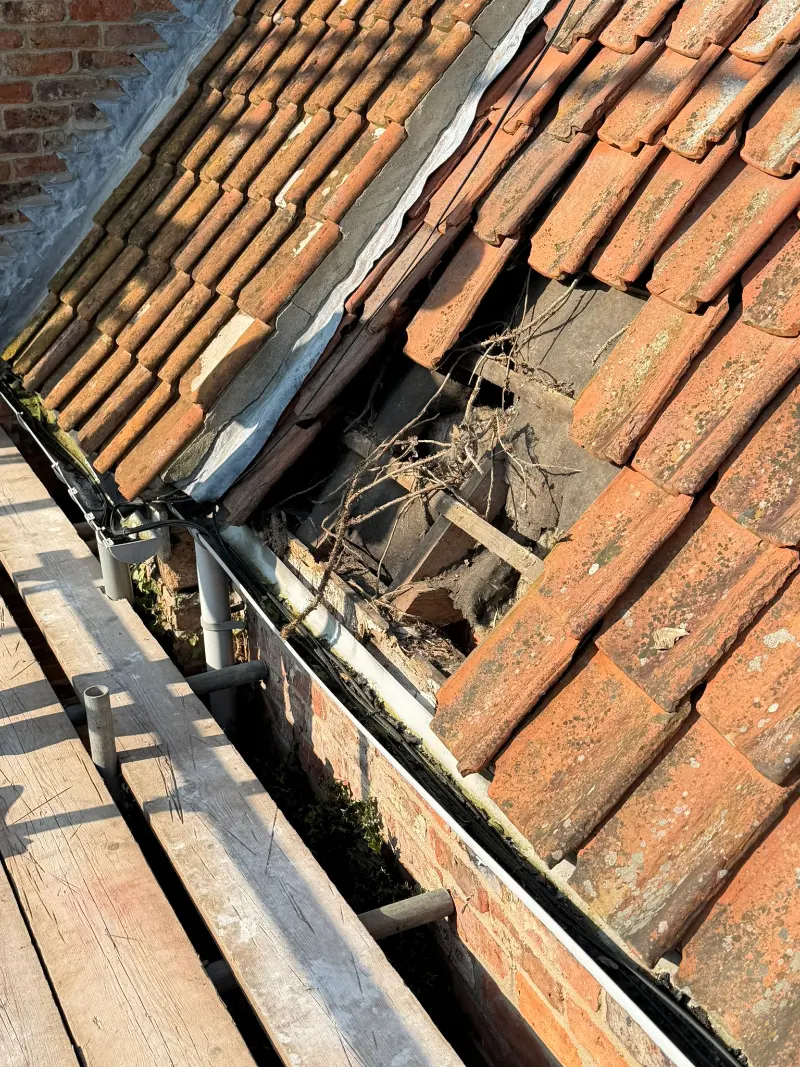
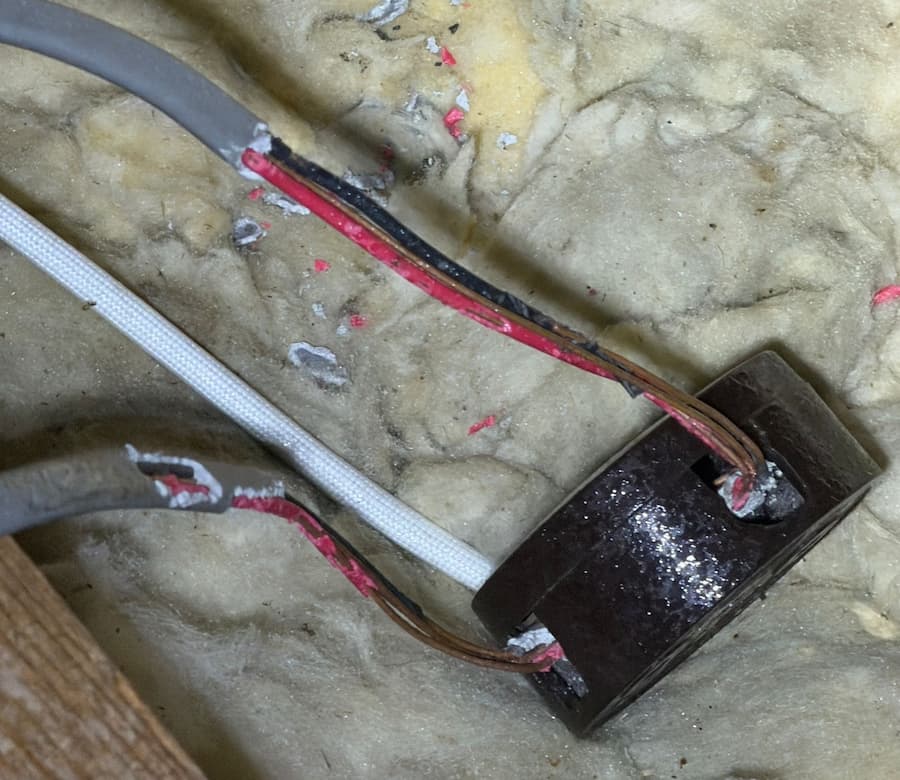
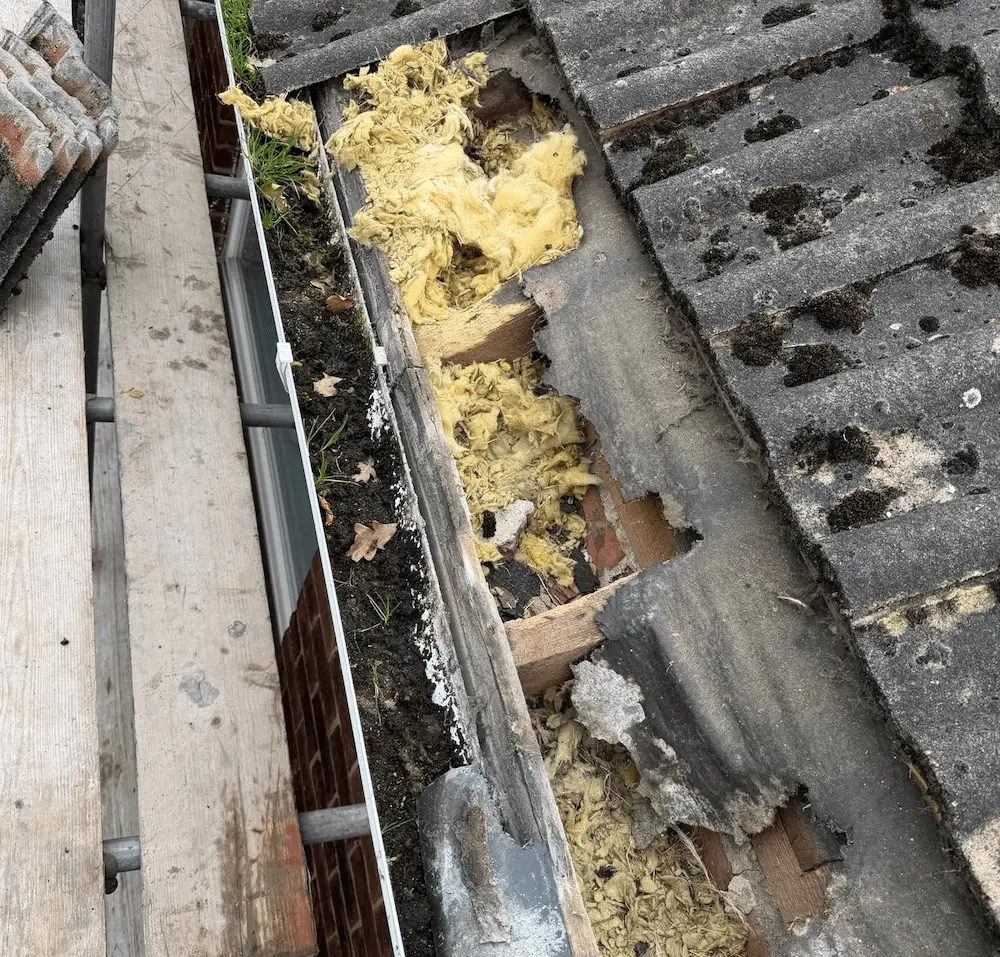
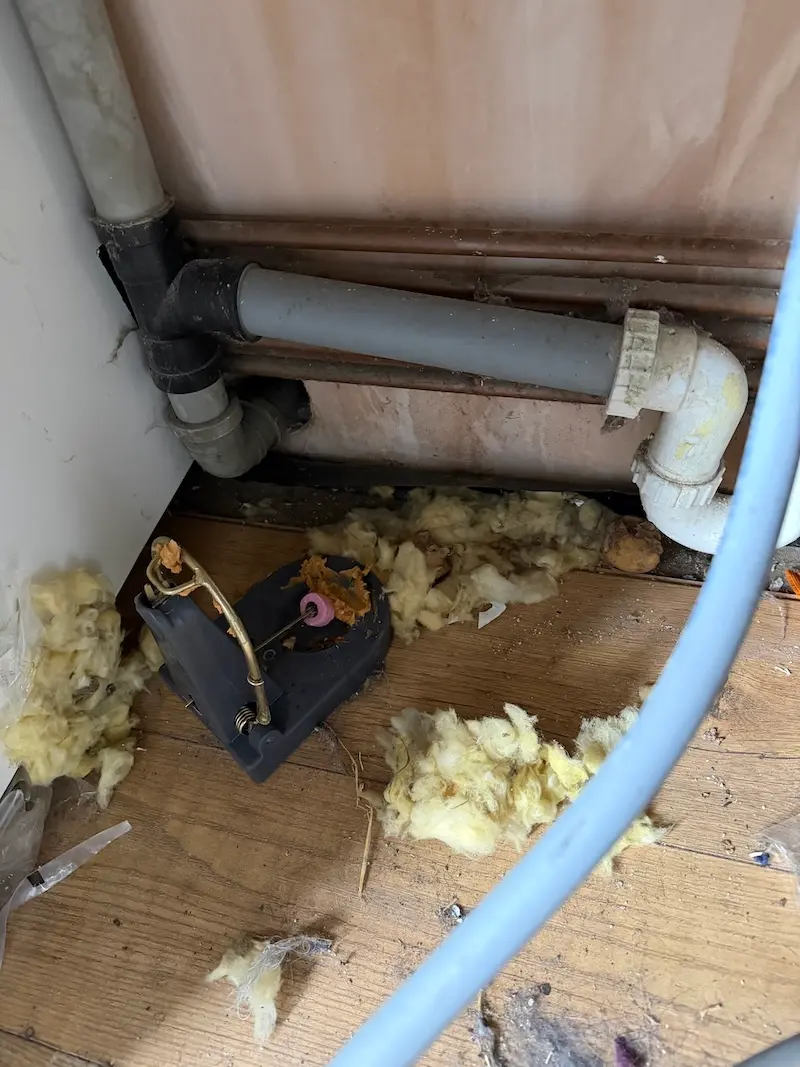
Electrical wiring damage is particularly serious. Rats and squirrels chew wire insulation creating fire risks. If you notice flickering lights, circuit breakers tripping repeatedly, or burning smells without obvious sources, rodent damage to wiring may be responsible. Professional pest controllers check loft spaces and wall cavities for chewed wiring during inspections—this damage requires both pest elimination and electrical repair. Squirrels cause extensive loft damage including shredded insulation where they create nests, damaged stored items, and holes chewed through roof timbers and soffits. Insulation damage reduces thermal efficiency increasing heating costs, while structural damage creates additional pest access points and weather vulnerability.
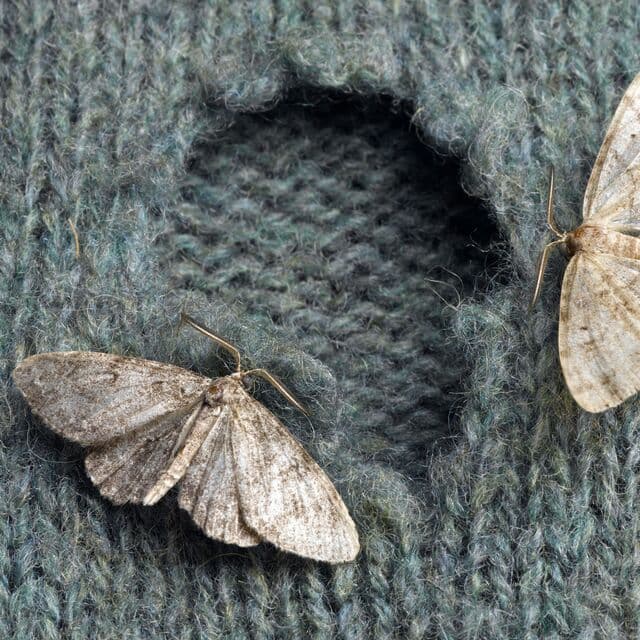
Water damage from gnawed pipes occasionally results from rodent activity. Rats gnaw plastic water pipes in loft spaces or under floors causing leaks. Unexplained water damage, particularly in areas inaccessible to regular inspection, warrants professional pest inspection alongside plumbing checks. Moths create different damage—holes in wool carpets, particularly under furniture or in spare rooms used infrequently, damaged wool clothing or textiles in wardrobes, and shed larval skins near damaged items. Garden moles create obvious lawn damage through molehills and tunneling disrupting grass, undermining paths and patios, and damaging plant roots.
Odours and Smells
Pest infestations create distinctive odours often noticed before visual evidence. Rats and mice produce musky, ammonia-like smells from urine marking territories and nesting areas. This smell intensifies in confined spaces—cupboards, wall cavities, or under floors where rodents concentrate. Strong musty odours in specific property areas without obvious sources suggest hidden rodent activity. Dead rodent smells are unmistakable—sickly sweet, progressively worsening decomposition odours persisting for weeks. If you notice such smells in York property walls, floors, or inaccessible spaces, deceased rodents may be present. Professional pest controllers locate and remove dead rodents preventing ongoing odour and secondary pest problems—flies and beetles attracted to decomposing remains.

Wasp nests don’t typically create strong odours, but large established nests occasionally produce sweet, paper-like smells from nest material and wasp activity. Squirrels create musty odours in loft spaces from urine, droppings, and nesting material accumulation. If your loft develops unexplained musty smells, squirrel occupation is possible.
Behavioural Signs from Pets
Pets often detect pest activity before owners notice obvious signs. Dogs and cats have superior hearing and smell, alerting to pest presence through behavioural changes. Watch for dogs scratching or pawing at specific walls, floors, or skirting boards, whining or barking at walls or under furniture, staring intently at ceiling corners or specific areas, or refusing to enter certain rooms they previously frequented. These behaviours often indicate hidden rodent activity the dog hears or smells.
Cats display different pest-detection behaviours—stalking or watching specific areas intently, attempting to access spaces under furniture or appliances, bringing “gifts” of dead or injured mice proving active mouse populations, or showing unusual interest in loft access points or specific rooms. While cats naturally hunt, increased hunting behaviour or multiple catches over short periods indicates established mouse populations exceeding natural control. Professional pest control eliminates populations completely rather than relying on partial cat predation.
Seasonal Patterns and Timing
Understanding seasonal pest patterns in York helps recognise warning signs at critical times. Autumn brings peak rodent season as rats and mice seek shelter from dropping temperatures. September through November sees highest York infestation rates. If you notice any rodent evidence during autumn months, assume established activity requiring immediate professional attention. Waiting until winter allows populations to establish firmly in warm property interiors where they breed year-round despite external weather.
Spring and summer dominate wasp activity. April and May wasp sightings around properties suggest queens establishing nests—early professional removal prevents dangerous summer growth. July and August represent peak wasp danger when nests reach maximum size. Any wasp nest evidence during summer requires immediate professional removal regardless of perceived size. Squirrel breeding seasons occur in spring (March-April) and summer (July-August). Increased squirrel activity, noises, or sightings during these periods indicates breeding populations requiring urgent professional intervention before offspring expand problems.
When One Sign Means Many Problems
Understanding pest biology reveals why single warning signs typically indicate extensive hidden activity. Rats maintain stable populations through rapid breeding—a single pregnant female produces 50-60 offspring annually. Seeing one rat means breeding populations already exist. Rats are incredibly secretive, emerging primarily at night and avoiding human contact. Daytime sightings suggest population pressure forcing risky exposure. Similarly, finding one mouse dropping indicates many more hidden—mice produce 50-80 droppings daily, so visible evidence represents a fraction of total activity.
Wasp nests grow exponentially from spring through summer. A small April nest with dozens of wasps becomes thousands by August. Early nest discovery and removal prevents this dangerous expansion. Delaying until nests are obviously large makes removal more expensive and dangerous while exposing residents to months of sting risk. Squirrels in lofts breed twice yearly, doubling populations rapidly. Hearing occasional squirrel noises indicates established occupation—they’ve already created entry points, nesting sites, and begun breeding. Professional removal and proofing prevents one pair becoming ten within a year.
The Cost of Ignoring Warning Signs
Delaying professional pest control after recognising warning signs costs York homeowners significantly more than early intervention. Small rodent problems detected early through droppings or minor noise typically cost £80-150 for complete elimination including follow-up visits. Waiting until extensive damage occurs, populations expand throughout properties, or health risks develop increases costs to £200-400 or more for extensive treatment, repairs, and decontamination.
Wasp nests removed in April or May when small cost £60-100. Waiting until July or August when nests contain thousands of aggressive wasps increases difficulty and risk while costing similar amounts—but exposing families to months of danger unnecessarily. Squirrel damage escalates rapidly. Early removal when first evidence appears costs £120-180. Delaying allows electrical damage, insulation destruction, and property damage costing hundreds in repairs beyond pest control fees. Insurance often won’t cover gradual pest damage, making prevention and early treatment financially essential.
Health risks also escalate with delayed treatment. Rodents carry diseases including leptospirosis (Weil’s disease), hantavirus, and salmonella transmitted through droppings, urine, and bites. Extended exposure to rodent contamination in York properties increases disease risk to residents, particularly children and vulnerable individuals. Wasp stings cause serious reactions in allergic individuals—delayed nest removal exposes families to potentially life-threatening encounters. Professional pest control eliminates these risks promptly, protecting both property and health.
What to Do When You Recognise Warning Signs
If you identify any warning signs described above in your York property, take immediate action rather than hoping problems resolve naturally. First, avoid DIY treatment attempts for serious infestations. Retail pest control products rarely eliminate established populations and delay effective treatment while pests continue breeding. Second, contact professional pest control in York for expert assessment. Professional controllers identify pest types, assess infestation extent, locate entry points and nesting sites, and implement comprehensive treatment guaranteeing elimination.
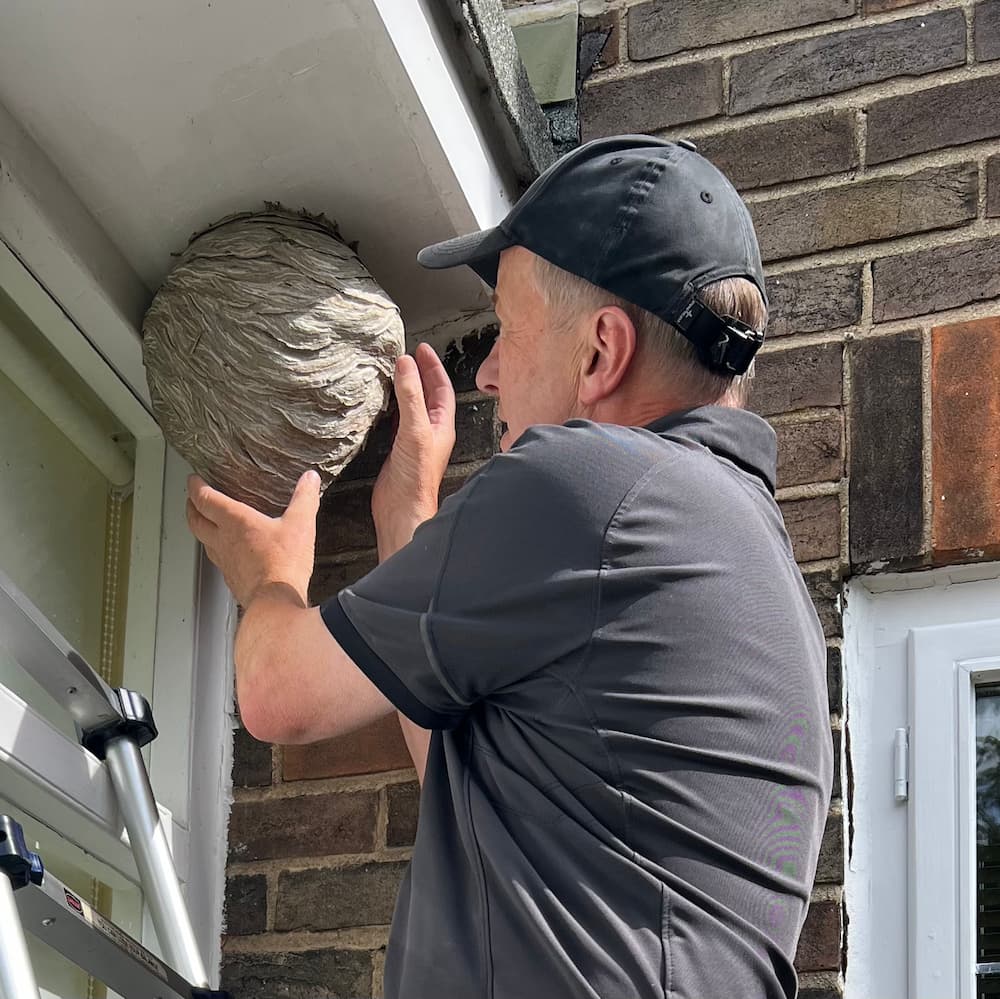
Third, don’t disturb suspected pest areas excessively. Avoid blocking suspected rodent entry points before professional treatment—this can trap rodents inside causing increased damage as they search for exits. Never attempt wasp nest removal yourself regardless of apparent nest size—disturbed nests trigger mass attacks causing multiple stings. For squirrel activity, avoid loft access until professional assessment prevents dangerous encounters or injury from damaged structures.
Document evidence for professionals. Take photos of droppings, damage, or pest sightings. Note when you hear noises, where they originate, and what they sound like. This information helps professional pest controllers plan effective treatment. Finally, prepare for professional visits by ensuring access to affected areas—lofts, under-floor spaces, or exterior building locations—allowing thorough inspection and treatment.
Professional Pest Control: The York Solution
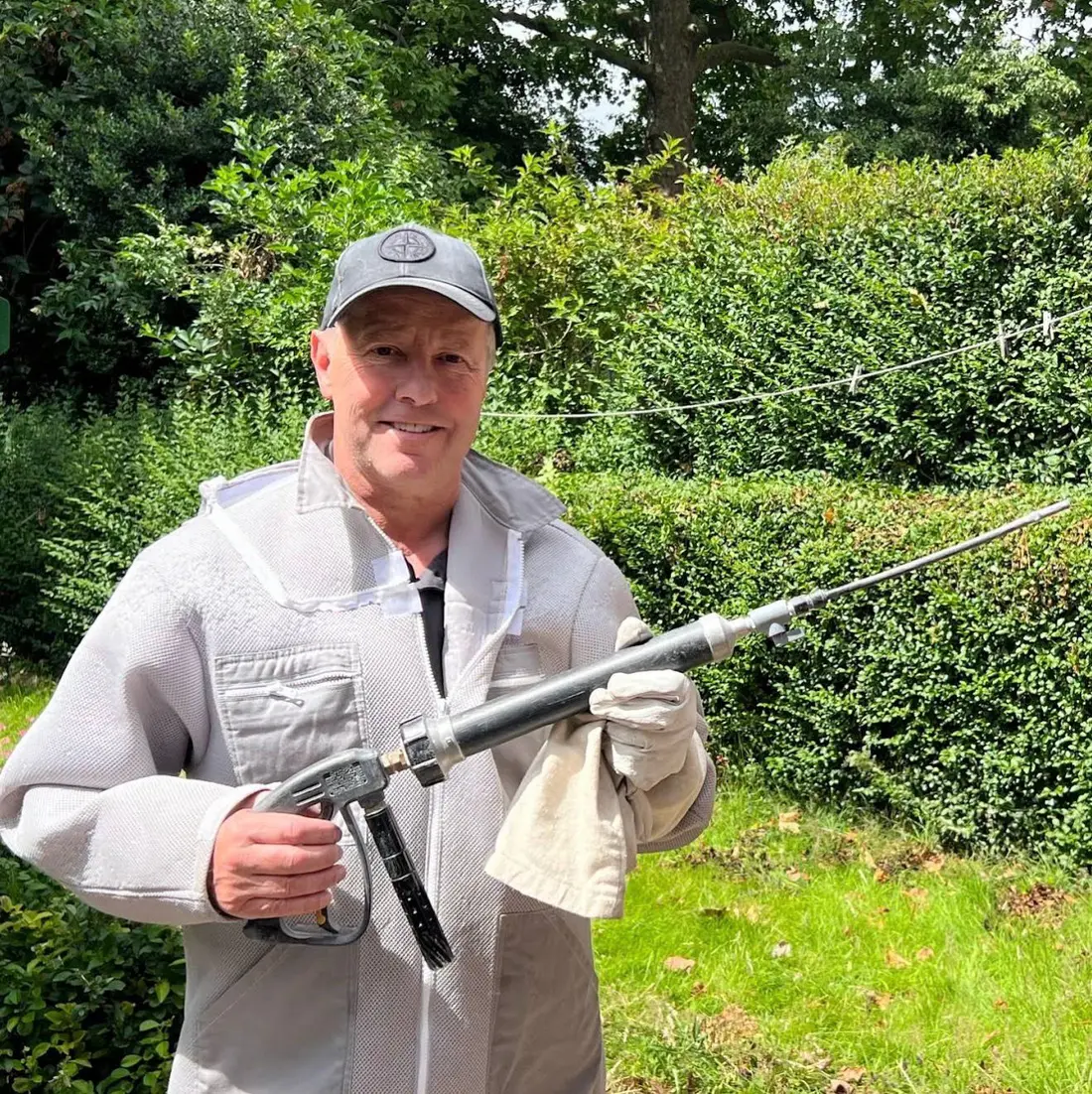
Recognising warning signs is the first step—professional intervention completes the solution. Yor-Pest Control serves all York areas including city center, Clifton, Acomb, Tang Hall, Heworth, Bishopthorpe, and surrounding villages. We provide comprehensive pest control addressing all warning signs York residents encounter.
Our service includes thorough property inspection identifying all pest activity and evidence, complete elimination using professional-grade treatments unavailable to homeowners, entry point identification and proofing preventing re-infestation, comprehensive guarantees ensuring pests don’t return, and honest advice about prevention and ongoing management. We understand York property types from medieval buildings to modern estates, recognising how different construction methods create pest vulnerabilities. This local knowledge ensures effective treatment specific to your property characteristics.
Same-day and next-day service is available for urgent situations including active wasp nests near children or vulnerable people, rats in kitchens or food preparation areas, squirrels causing immediate fire risk through electrical damage, or commercial properties requiring urgent Environmental Health compliance. We prioritize emergency situations providing rapid professional response when York residents need it most.
Frequently Asked Questions
What are the most obvious signs I need pest control in York?
The most obvious signs include discovering rat or mouse droppings in multiple locations, hearing scratching or scampering sounds in walls or lofts particularly at dawn or dusk, seeing live or dead rodents anywhere in your property, finding wasp nests or observing wasps repeatedly entering specific property locations, observing squirrels entering or exiting your roof or loft spaces, noticing chewed wires, damaged insulation, or gnaw marks on woodwork, or finding pest-specific evidence like shed snake skins from carpet moths or actual insects in your home. Any of these signs requires immediate professional attention rather than waiting to see if problems worsen.
Should I call pest control if I only see one rat or mouse?
Yes, absolutely. Seeing one rat or mouse indicates a breeding population is nearby. Rodents are nocturnal and extremely secretive—if you see one during daytime, many more are hiding in walls, floors, or loft spaces. A single pregnant female rat produces 50-60 offspring annually through multiple litters. Early professional intervention prevents one rodent becoming a serious infestation requiring expensive extensive treatment. The cost of treating early evidence is significantly less than eliminating established populations that develop if you wait.
How do I know if noises in my York property are pests or something else?
Pest noises have distinctive patterns and timing. Rats create scratching, gnawing, and scampering sounds, particularly active at dawn and dusk when they forage. Squirrels make louder scampering sounds and rolling noises, most active at dawn. Mice produce lighter scratching and occasional squeaking. Birds create flapping and chirping sounds. Plumbing creates gurgling or rushing water sounds. Heating systems create clicking and expansion noises. If you hear scratching, gnawing, or movement sounds repeatedly in walls, floors, or lofts, particularly during dawn or dusk, professional inspection is essential. We can identify pest types from noise patterns and timing, implementing appropriate treatment.
When is wasp season in York and when should I call for nest removal?
York’s wasp season runs April through October with peak activity July through August. Call for professional removal immediately upon discovering any wasp nest regardless of size or time of year. Small nests discovered in April contain dozens of wasps but grow to thousands by August if left untreated. Even small nests pose sting risks and removing them early prevents dangerous summer expansion. Never attempt DIY wasp nest removal—disturbed nests trigger mass attacks. Professional treatment costs £60-100, eliminates nests safely within 24 hours, and carries guarantees. The small cost protects families from serious injury and potential medical emergencies from multiple stings.
Don’t Wait—Act on Warning Signs Now
Pest problems in York properties never improve without professional intervention. Recognising warning signs early and acting promptly protects your property value, prevents expensive damage, and eliminates health risks to your family. If you’ve noticed any signs described in this guide—droppings, noises, sightings, damage, or odours—don’t delay hoping problems resolve naturally.
Call us now on 07951 392 424 for professional pest control in York, or contact us for honest assessment and transparent pricing. We serve all York areas with professional reliable service backed by comprehensive guarantees.
Don’t let small warning signs become expensive infestations. Professional help is just a phone call away.