
If you’ve spotted signs of rats in your kitchen, a wasp nest under your eaves, or moths eating through your wardrobe in York, you’re far from alone. York’s unique combination of historic architecture, riverside geography, and dense urban housing makes it one of the more challenging cities in North Yorkshire for pest problems. At Yor-Pest Control, we cover every York postcode from YO1 to YO32 — from the terraced streets of Holgate and Acomb to the riverside properties near the Ouse in Fulford and Bishopthorpe. This guide covers everything York homeowners and businesses need to know about the pests most likely to affect them, why York’s specific conditions make certain problems worse, and what professional pest control involves. We hold over 400 five-star Google reviews and are recognised by ThreeBestRated® as one of the top pest control companies in the region.
Contents
- 1 Why York Has a Particular Pest Problem
- 2 Rats in York: What You Need to Know
- 3 Wasp Nest Removal in York
- 4 Mole Control in York and Surrounding Villages
- 5 Moth Infestations in York Homes
- 6 Flea Control in York
- 7 Ant Problems in York
- 8 Squirrel Control in York
- 9 Commercial Pest Control in York
- 10 York Postcodes We Cover
- 11 Why Choose Yor-Pest Control in York?
- 12 Frequently Asked Questions: Pest Control in York
Why York Has a Particular Pest Problem
York isn’t like other cities when it comes to pest pressure, and the reasons are rooted in the city’s history, geography, and housing stock. Understanding why helps homeowners spot problems earlier and act before small issues become serious infestations.
Historic Buildings and Ageing Infrastructure
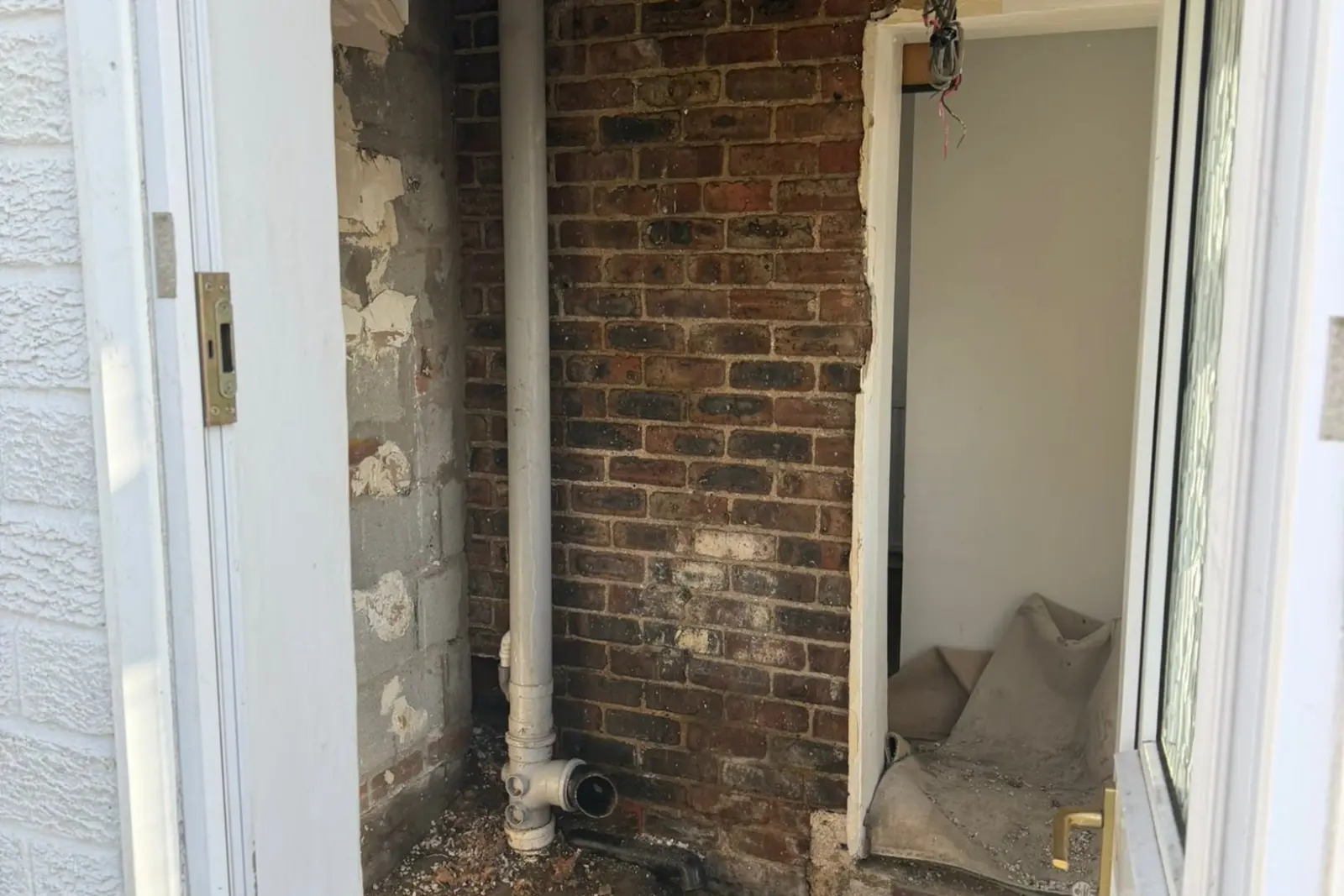
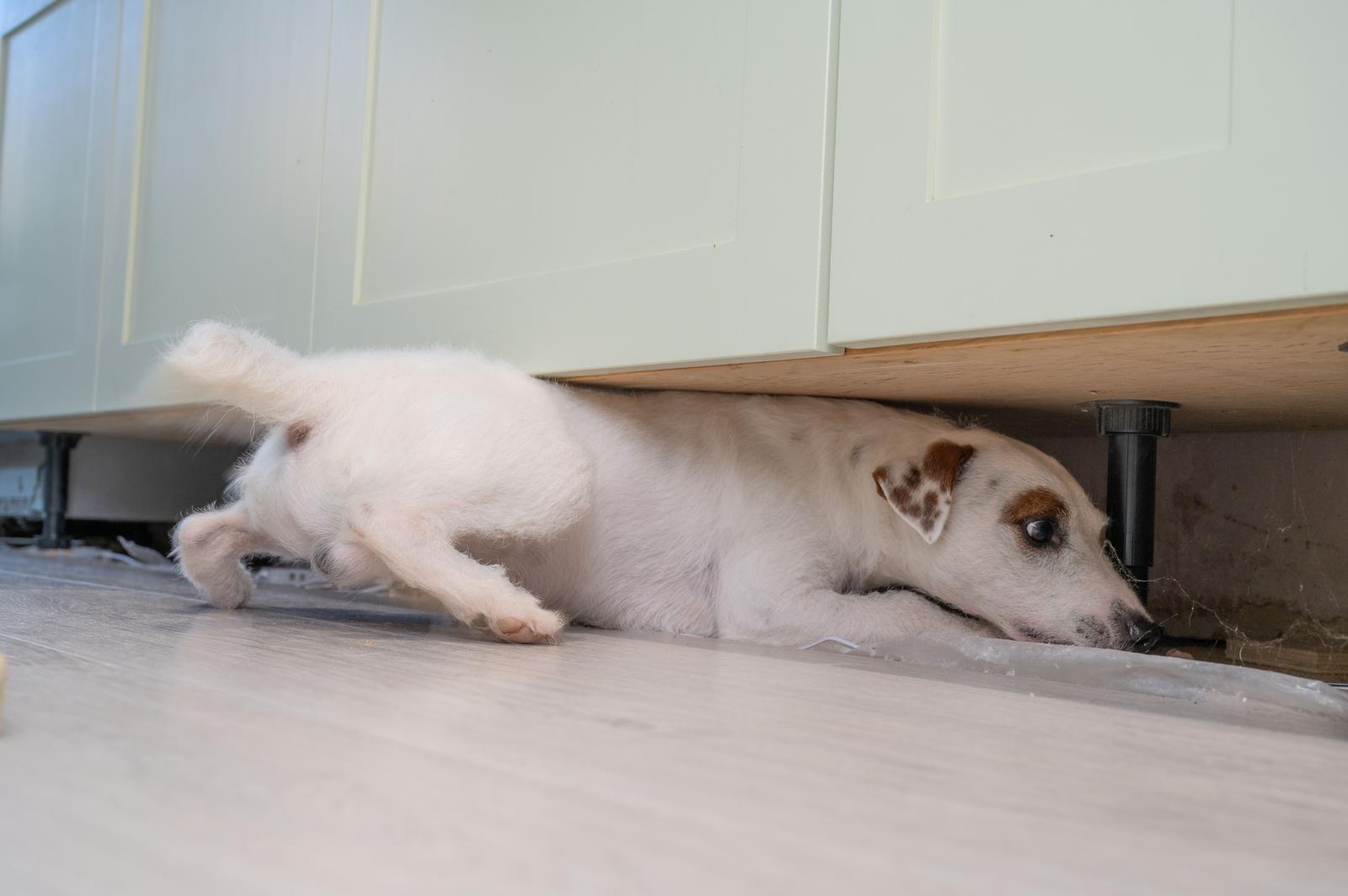
York’s architectural heritage is one of the city’s greatest assets, but it presents real challenges for pest management. Properties along Micklegate, Gillygate, The Shambles, and throughout the city walls area are often centuries old, with original brickwork, timber beams, and stone foundations that develop cracks, gaps, and voids over time. These are exactly the entry points that rats, mice, and insects need. A gap of just 15mm — roughly the diameter of a ballpoint pen — is sufficient for a young rat to squeeze through, and older York properties in areas like Skeldergate, Bishophill, and Goodramgate often have dozens of such entry points that no homeowner would think to check.
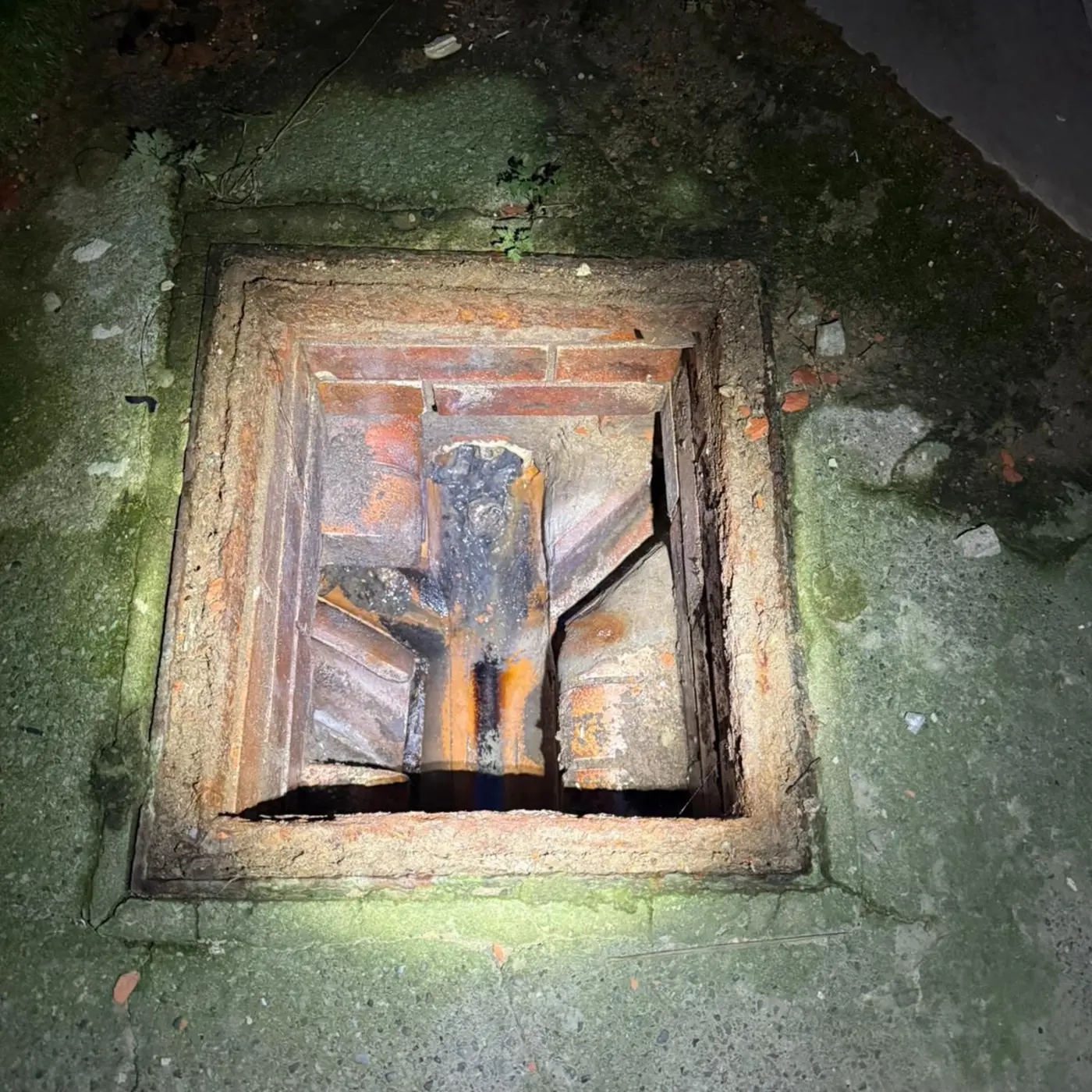
York’s Victorian-era sewer network runs beneath much of the city centre and inner suburbs including Fishergate, Tang Hall, and Layerthorpe. This network provides rats with a vast underground highway. When sewer maintenance or building work disturbs these tunnels, rats look for new territories above ground — and York’s older properties give them plenty of options.
The River Ouse and Flood Plain
The River Ouse running through the heart of York creates natural conditions for rodent activity year-round. The riverbanks near Skeldergate, Terry Avenue, and Marygate are prime rat habitat. When the Ouse floods — as it does regularly across parts of Fulford, Poppleton Road, and the Knavesmire area — rats are displaced from their burrows and move into nearby gardens and properties. Homes along Bishopthorpe Road and towards Acaster Malbis frequently see surges in rat reports following flooding events. If your property is within half a mile of the Ouse or its tributaries, the risk of rodent ingress is significantly elevated.
York’s Housing Mix
York has a remarkably diverse housing stock that creates varied pest challenges across different neighbourhoods. The Victorian and Edwardian terraces common in Holgate, Leeman Road, Acomb, and Dringhouses often share party walls and have continuous roof spaces — meaning a rat or moth infestation in one property can spread to neighbouring homes without anyone noticing. Student areas around Hull Road, Lawrence Street, and near the University of York campus at Heslington experience high flea populations due to pet ownership and frequent tenant turnover. Meanwhile, newer housing estates in Huntington, Rawcliffe, and Skelton face their own challenges, particularly with moles in gardens and wasps nesting in cavity walls.
Rats in York: What You Need to Know
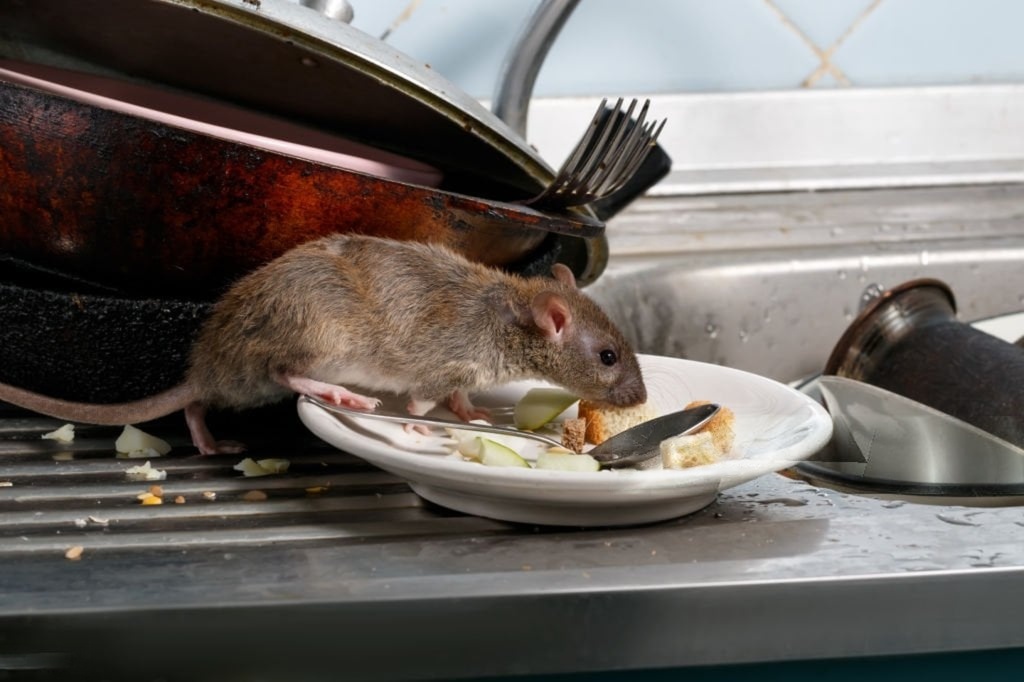
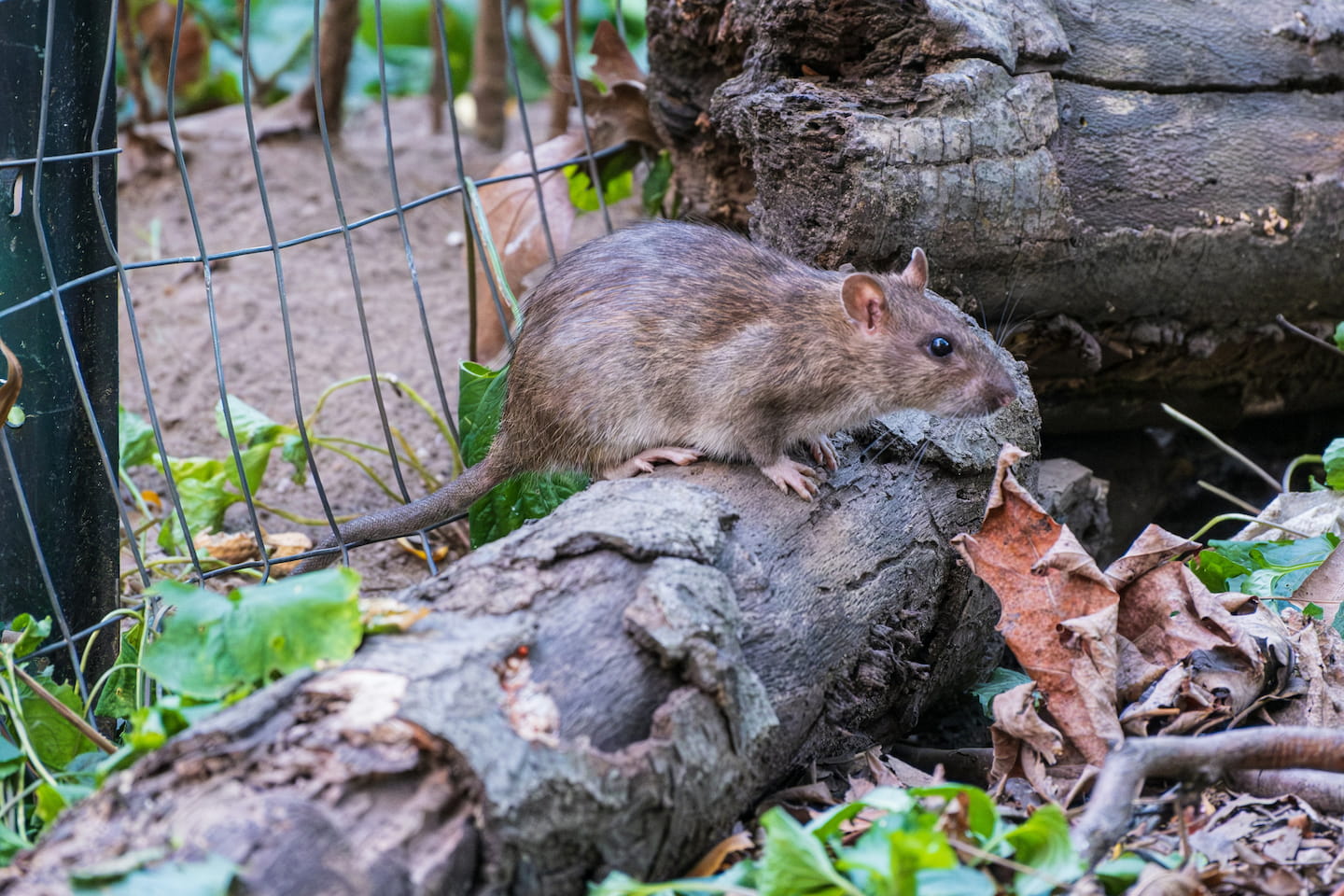
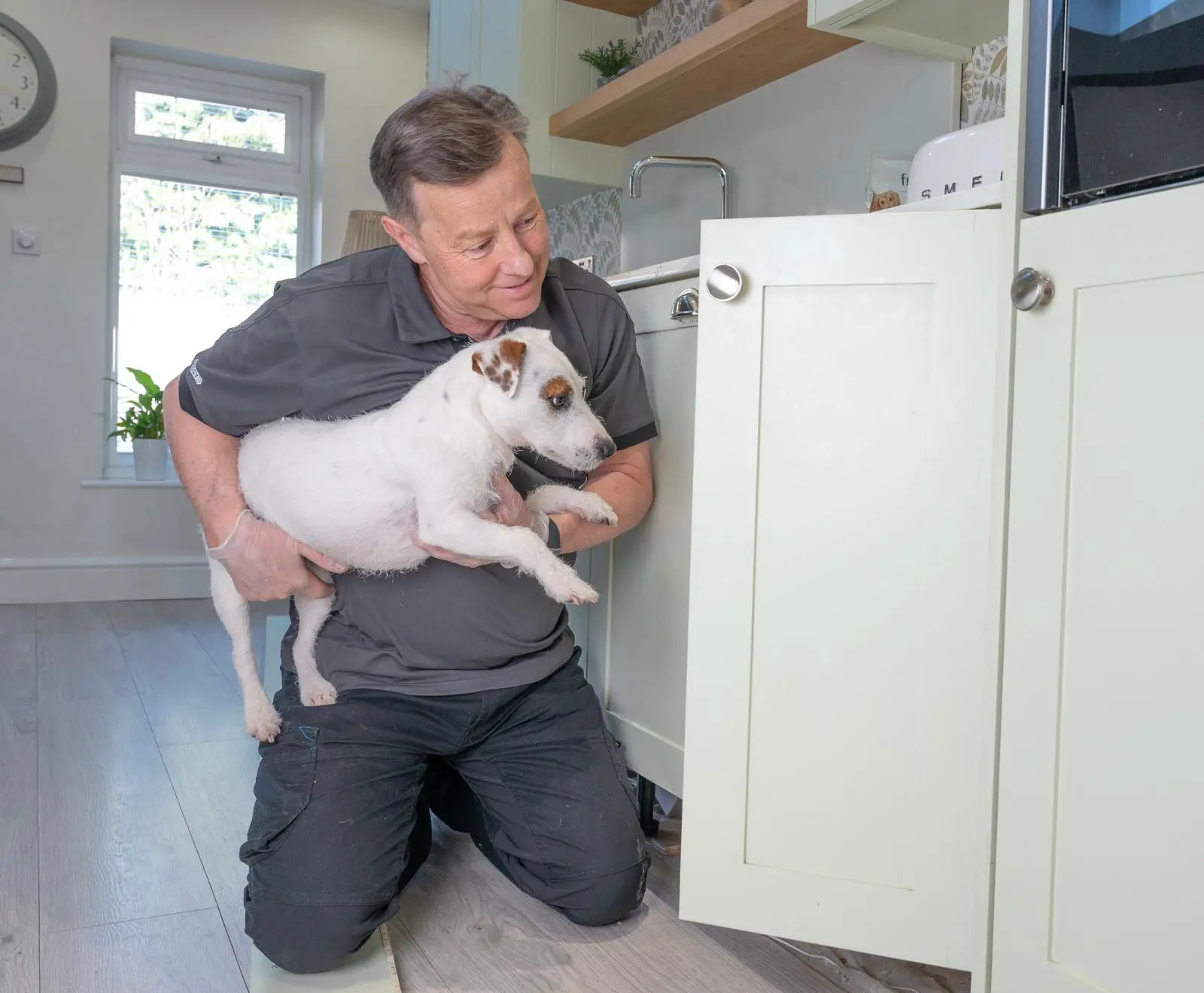
Rats are the most frequently reported pest problem across York. Our rat control service handles more calls about rodents than any other pest. The brown rat (Rattus norvegicus) is by far the most common species, and York’s conditions suit them almost perfectly.
Where Rats Are Most Common in York
Covering York postcodes from YO1 to YO32, we consistently see higher rat activity in certain areas. Properties in Micklegate and Clementhorpe sit above some of York’s oldest sewer infrastructure, and rat activity along these streets is a known, recurring issue. The Groves area near Clarence Street and Haxby Road, with its dense Victorian terracing and mature gardens, provides ideal nesting conditions. Along the Foss corridor — from Lawrence Street through Tang Hall towards Heworth — the combination of the river, allotments, and older housing keeps rat populations active throughout the year.
Commercial areas around the city centre — particularly near Shambles Market, the restaurants on Goodramgate and Gillygate, and the hospitality venues around Stonegate — generate food waste that sustains large rat populations in York’s core. Residential properties within a few streets of these areas, including those in Bootham and Marygate on the north side of the city, frequently experience rats that have migrated from commercial zones.
Signs of Rats in Your York Property
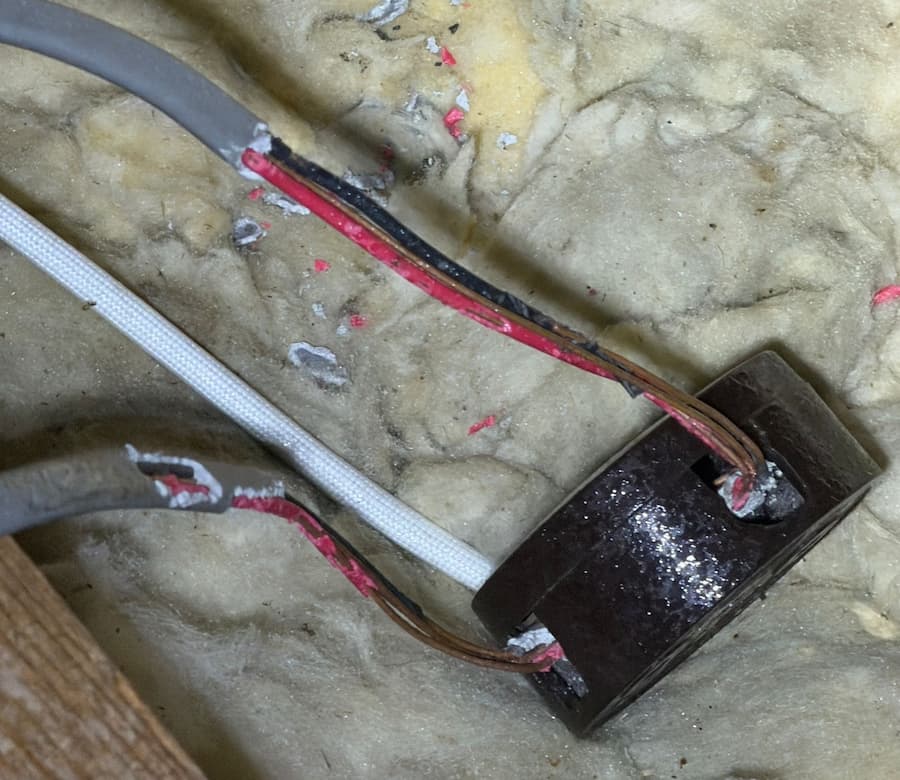
The earlier you spot a rat problem, the easier and less costly it is to resolve. Common signs include dark, capsule-shaped droppings (typically 15-20mm long) along skirting boards, behind appliances, or in cupboards. Gnaw marks on food packaging, cables, or wooden structures are another clear indicator — rats must gnaw constantly to control the growth of their incisor teeth, and cable damage from rats is a genuine fire risk. Scratching or scurrying sounds in walls, floors, or loft spaces — particularly at night — suggest active rodent movement. In gardens, look for burrows near compost heaps, under decking, and along fence lines.
If you notice any of these signs in your York home, don’t delay. A single breeding pair of rats can produce up to 200 offspring in a year, and infestations grow quickly in York’s interconnected terraced properties.
How We Treat Rat Problems in York
When we attend a rat job in York, we don’t simply place bait and leave. Every job starts with a thorough inspection of the property inside and out. We identify active runs, locate entry points, assess the scale of the infestation, and determine whether rodents are coming from a sewer fault, garden burrows, or neighbouring properties. We then implement a targeted treatment programme using professional-grade rodenticides and, where appropriate, mechanical trapping. Crucially, we also advise on proofing — sealing the gaps that allowed rats in — so the problem doesn’t return. See our dedicated rat control page for full details on our approach.
Wasp Nest Removal in York
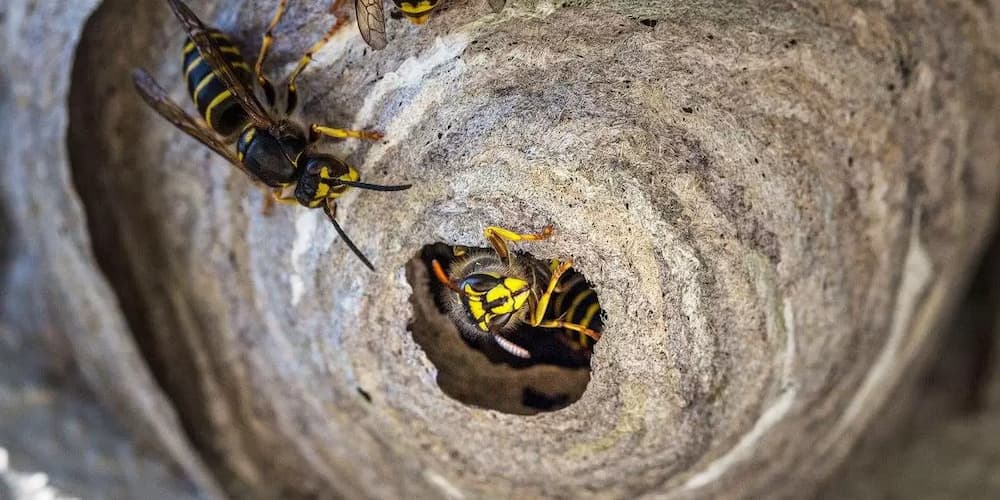
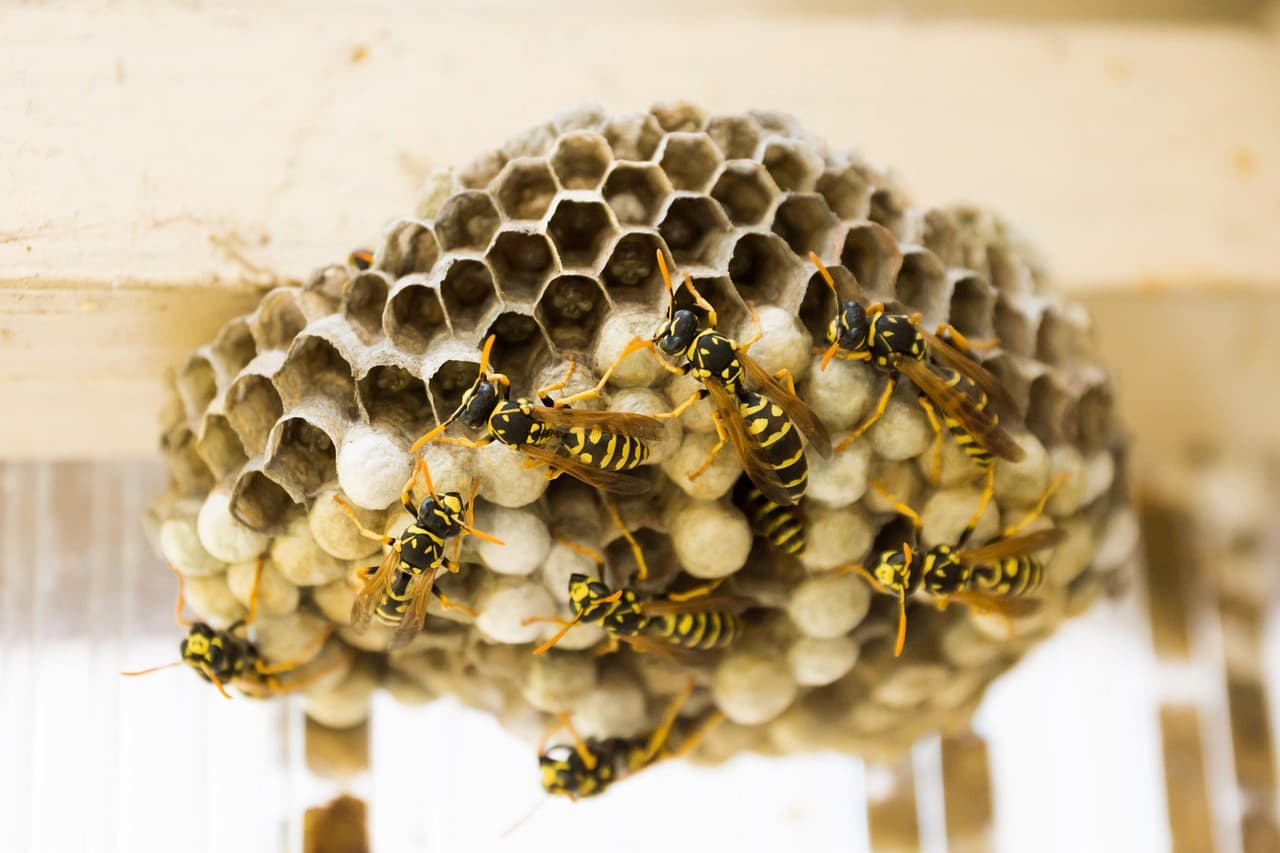
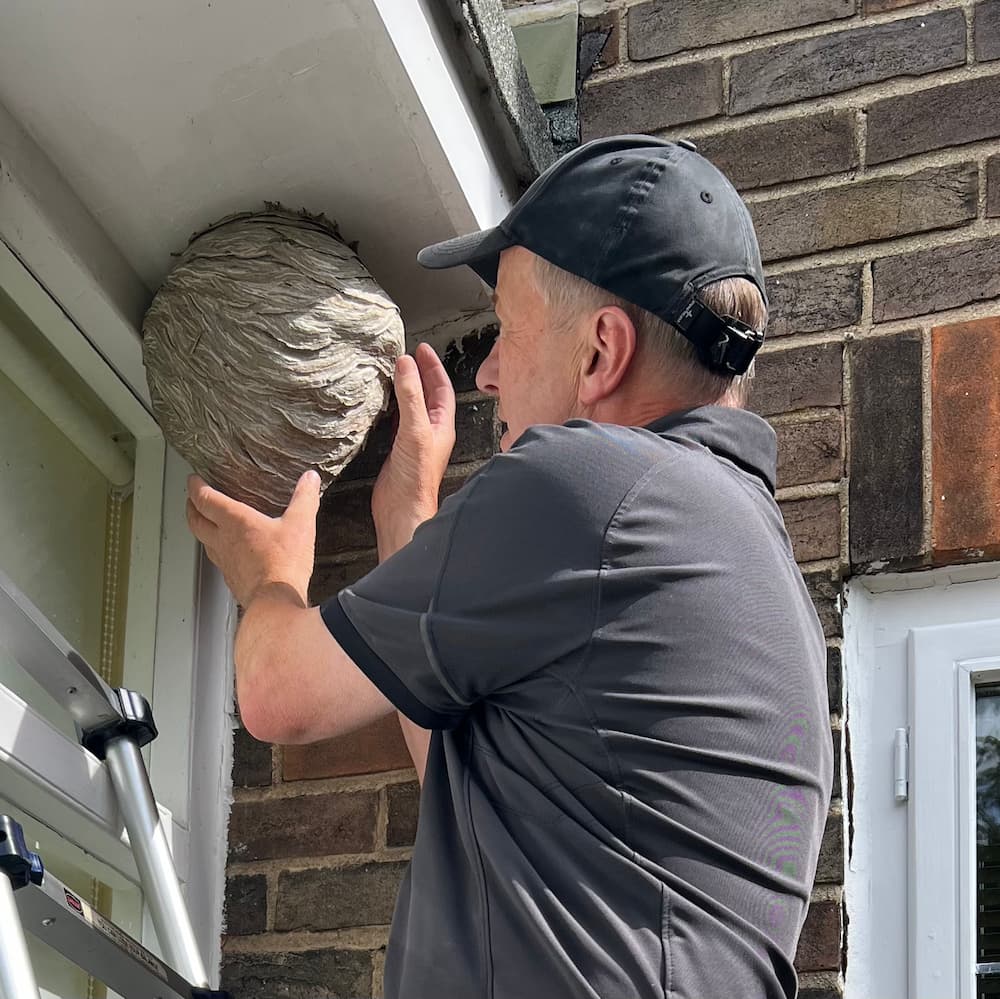
Wasp season in York typically runs from late June through to September, with peak activity in August. Our wasp nest removal service handles calls from across the city throughout this period — from Rawcliffe in the north to Bishopthorpe in the south. One of our regular York customers had eight separate wasp nests treated in a single season — not unusual given the number of potential nest sites in older York properties.
Where Wasps Nest in York Properties
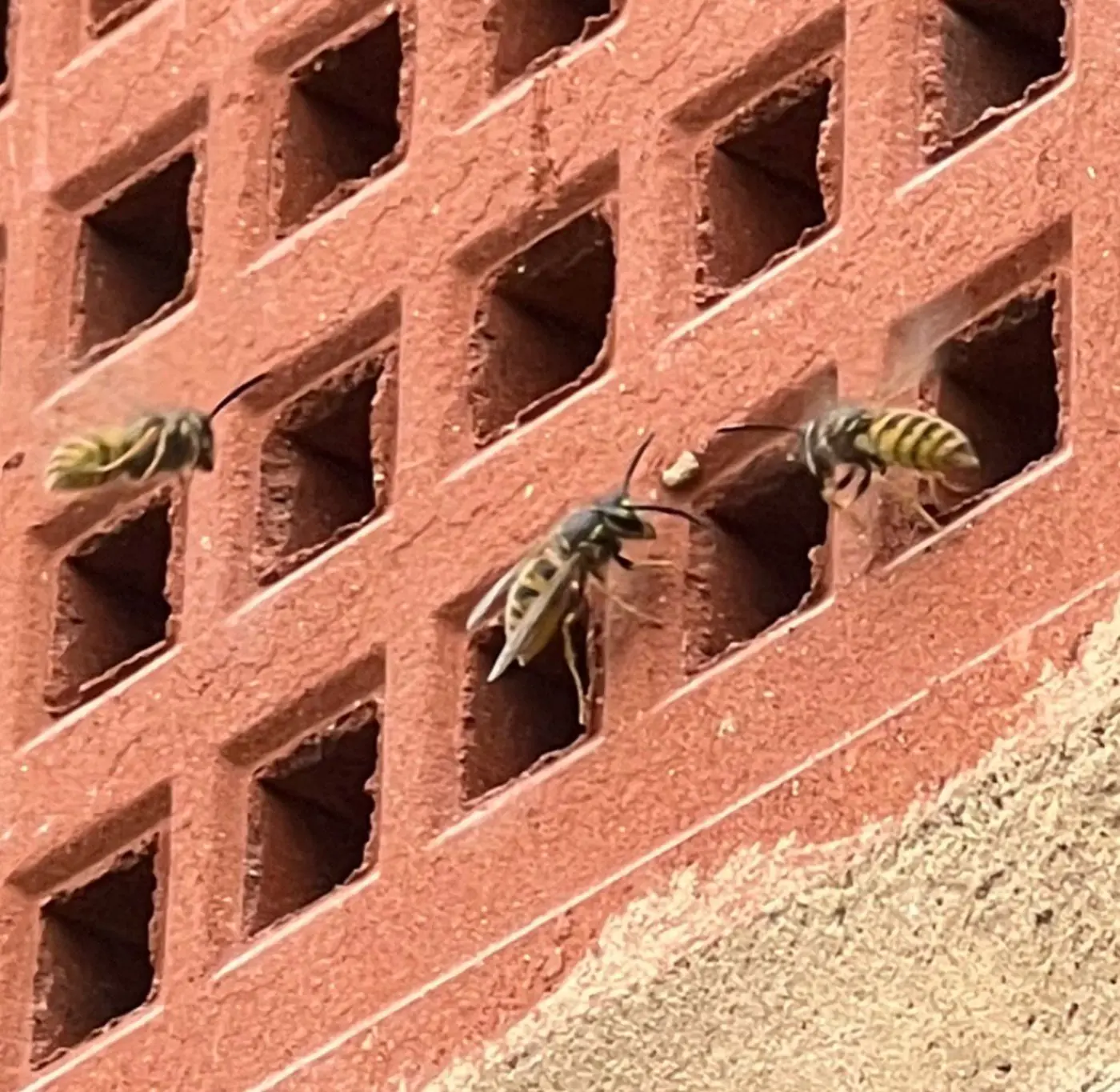
Wasp nests are found in predictable locations but their exact position varies widely. The most common sites include roof spaces and loft areas (wasps enter through gaps around roof tiles, common on Edwardian properties in Acomb, Holgate, and Bishopthorpe Road), wall cavities in older solid-wall properties near the city centre, garden sheds and garages, underground in garden soil or disused rodent burrows, and within cavity wall insulation. Detached and semi-detached properties in Dringhouses, Woodthorpe, and Haxby often have garden-based nests, while city-centre terraces in Holgate and Leeman Road are more likely to have nests in roof voids.
Why DIY Wasp Treatment Is Dangerous
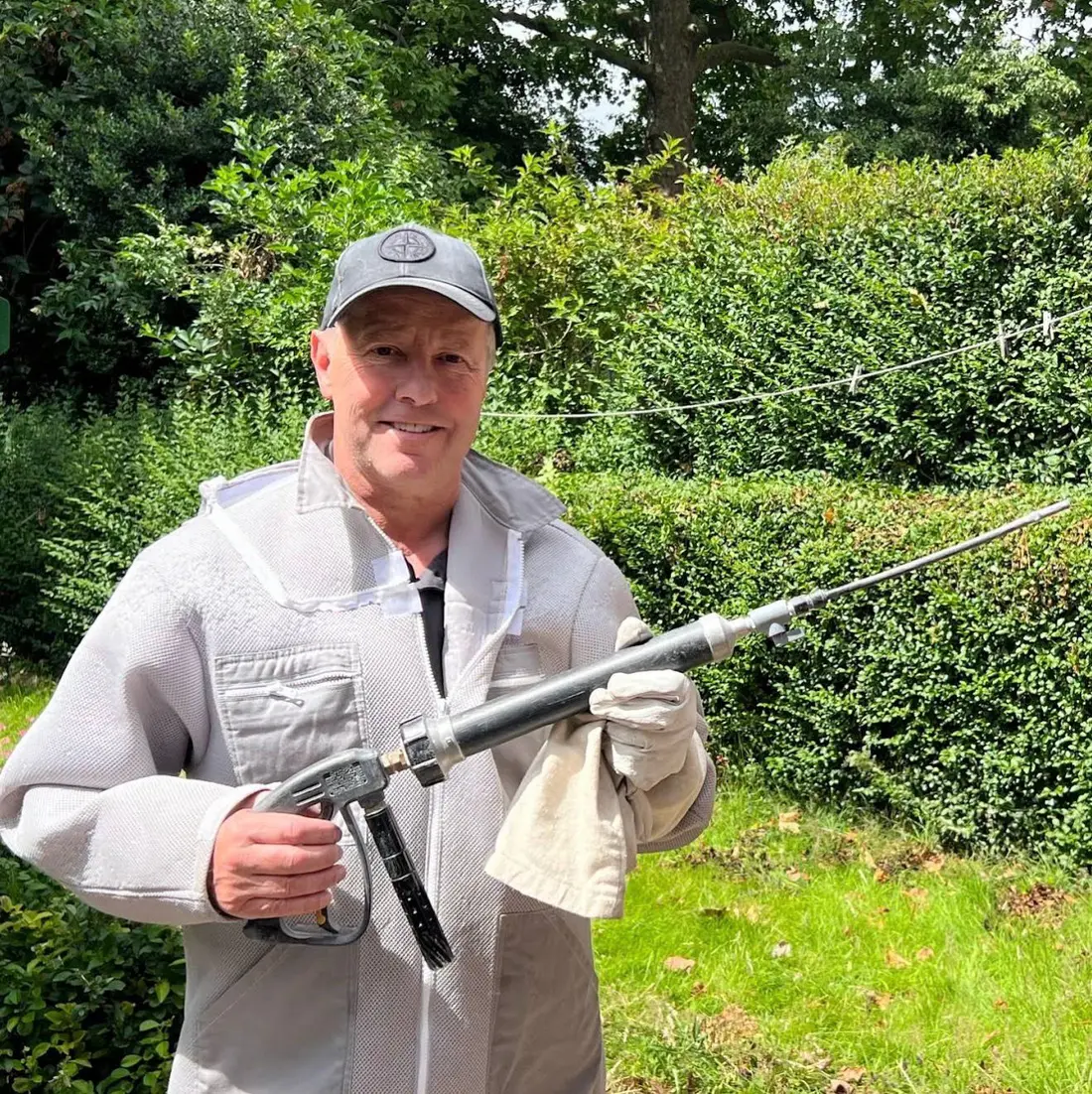
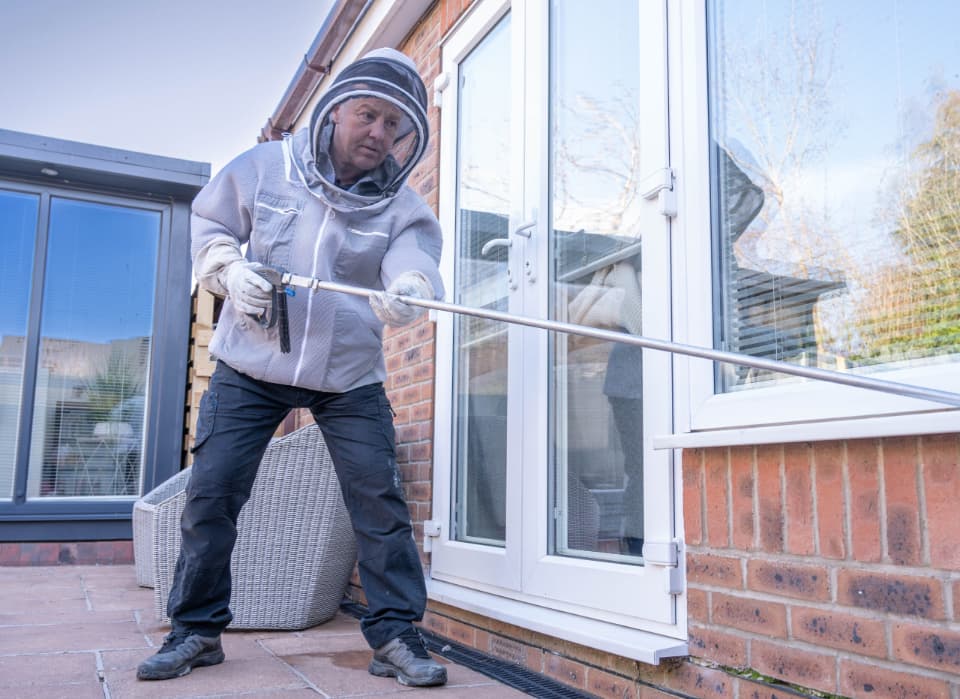
We receive calls every summer from York residents who have attempted to treat a wasp nest themselves and come off badly. A mature wasp nest in July or August can contain 5,000-10,000 workers, all of which will defend the nest aggressively when disturbed. Without proper protective equipment and the correct insecticide formulation, DIY treatment risks serious injury. Many wasp nests in York’s properties are also in roof spaces or wall cavities that require specialist access equipment. Our team carries full PPE and professional-grade products that deliver a faster, safer result than anything available over the counter.

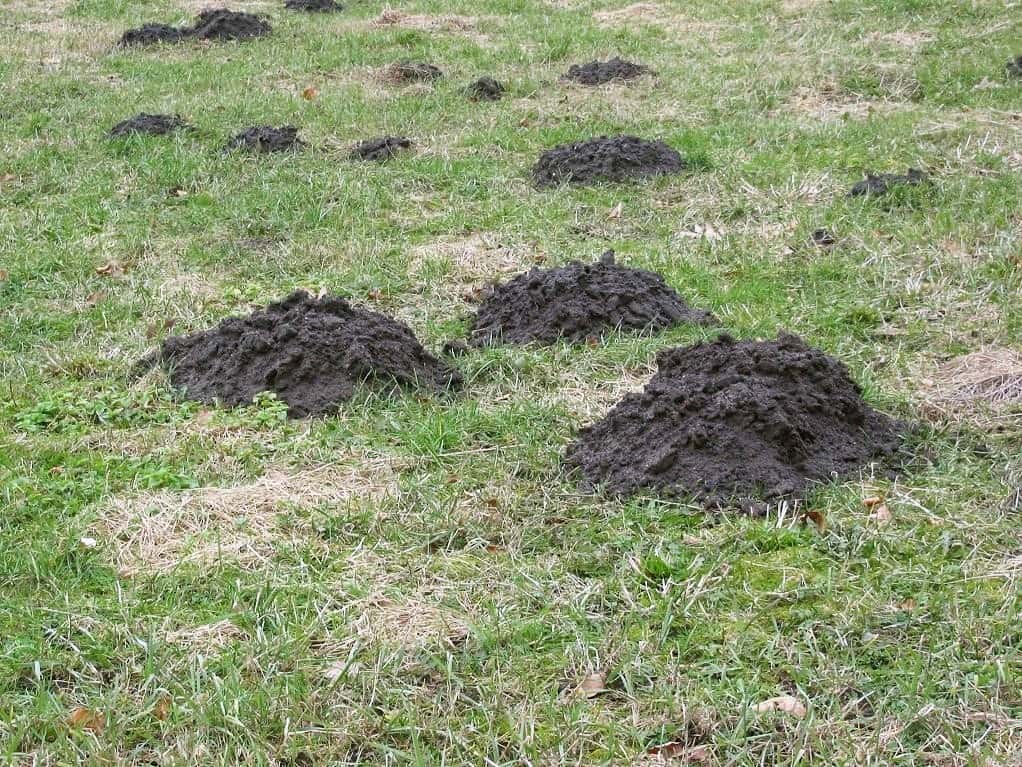
Mole Control in York and Surrounding Villages
Moles are most active in autumn and spring as they dig new tunnel networks. York’s green suburbs and surrounding villages — including Bishopthorpe, Upper Poppleton, Nether Poppleton, Copmanthorpe, Strensall, and Haxby — see significant mole activity in residential gardens, sports fields, and paddocks. Our mole removal service covers all of these areas using traditional trapping methods that deliver long-lasting results without unnecessary chemicals.
The clay-heavy soils common across much of the Vale of York — underlying gardens in Fulford, Heslington, and Dringhouses — are particularly attractive to moles. Clay retains moisture and supports the earthworm populations that moles feed on. A single mole can create 20 metres of new tunnel per day, and a garden that appears mole-free in summer can be riddled with fresh molehills within weeks of autumn soil temperatures dropping.
Moth Infestations in York Homes
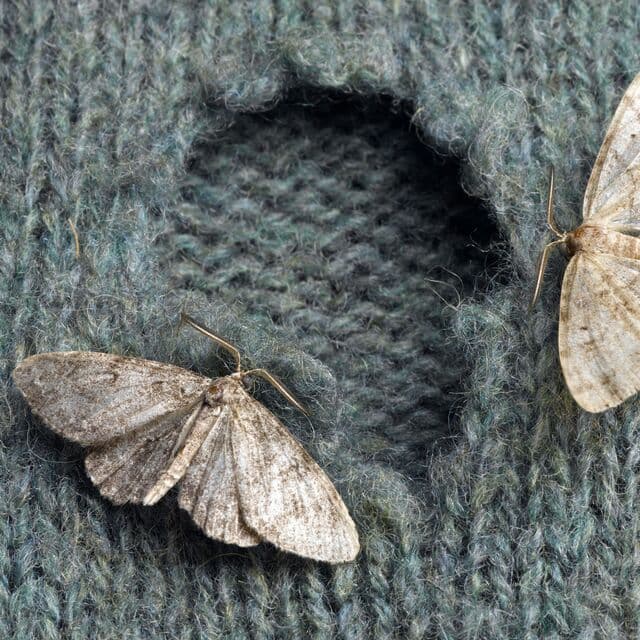
Clothes moths (Tineola bisselliella) and carpet moths are a growing problem in York, particularly in the city’s older housing stock. Properties in Holgate, Bishophill, Gillygate, and the conservation areas around the city walls often have original wool carpets, period rugs, and older textile furnishings that moth larvae find ideal. Our moth treatment service addresses both adult moths and larvae — larvae being responsible for the actual fabric damage that homeowners notice.
Many York homeowners first notice a moth problem when they find holes in woollen jumpers or carpet damage near the edges of rooms and under furniture, where larvae feed undisturbed. Loft spaces are also a common problem area — York’s older properties frequently have lofts packed with stored clothing and textiles that can harbour large moth infestations for months without the owner’s knowledge.
For properties with significant loft infestations or where clearance is needed alongside treatment, our loft clearance service can combine both in a single visit.
Flea Control in York
Flea infestations are closely linked to pet ownership, and the most common species in York homes is Ctenocephalides felis — the cat flea, which affects both cats and dogs. Our flea treatment service provides complete eradication using professional-grade insect growth regulators and adulticides, targeting fleas at every life stage including eggs and pupae that DIY sprays miss entirely.
Student properties near Hull Road, Lawrence Street, and the University of York in Heslington present a particular flea challenge. When a property is vacated at the end of term — especially where a pet has been kept — flea pupae in carpets can remain dormant for months. The vibration of new tenants moving in triggers simultaneous hatching, resulting in a sudden, severe infestation. Landlords across York managing properties where previous occupants had pets should consider professional flea treatment between tenancies as standard practice.
Ant Problems in York
Ant infestations are a warm-weather problem that York homeowners typically encounter between May and September. The black garden ant (Lasius niger) is most common, and flying ant days — when reproductive adults swarm — are a regular summer event across the city. Our ant control service targets colonies at their source rather than just surface trails, providing longer-lasting results than DIY sprays that only affect the foraging workers you can see.
In York, ants are particularly prevalent in properties with patio areas, old pointing in brickwork, and gardens backing onto grassland or allotments. The terraced streets of Fishergate, housing around Hob Moor in Acomb, and properties near Rowntree Park in Bishopthorpe are areas we cover regularly. Kitchen infestations — where ants track to food sources through gaps around pipework — are the most disruptive for households and require treatment that reaches the nest.
Squirrel Control in York
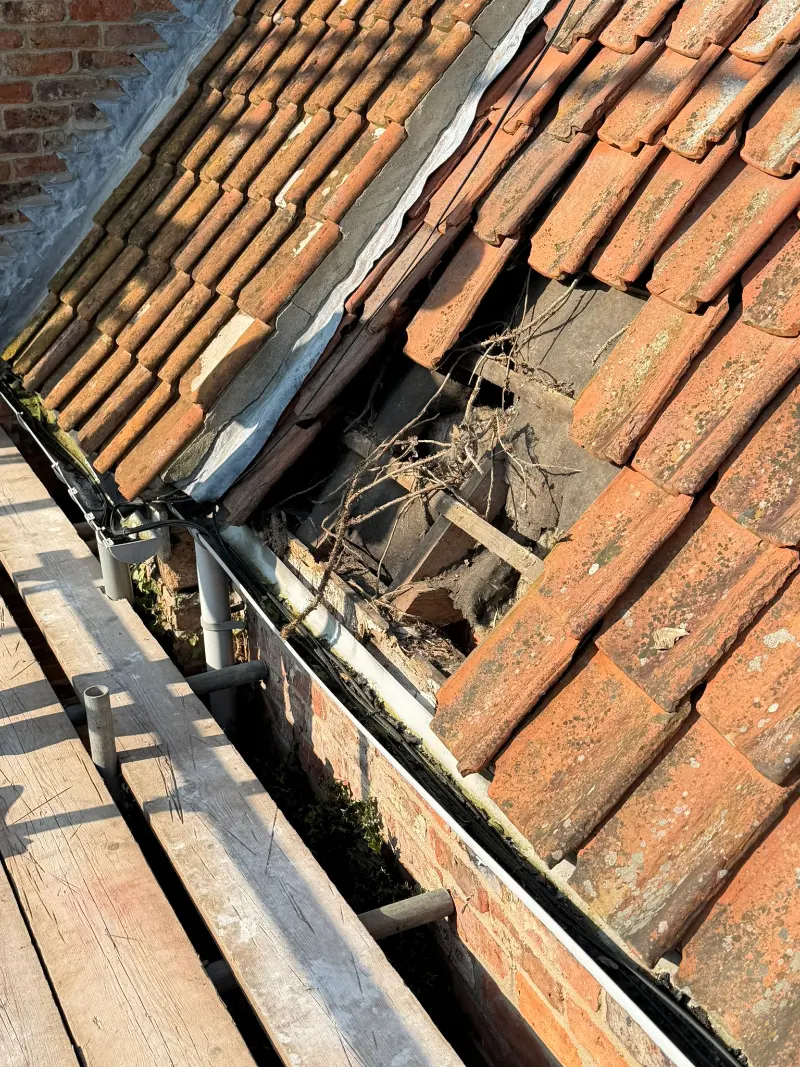
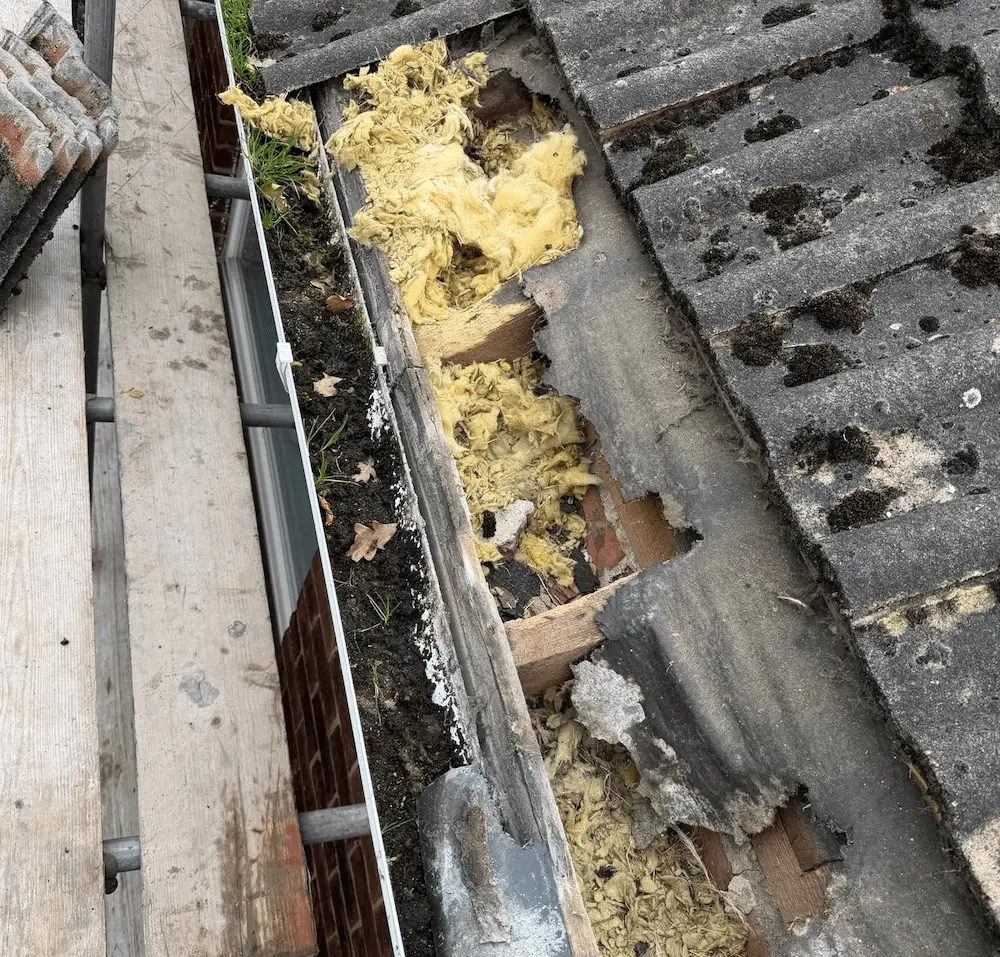
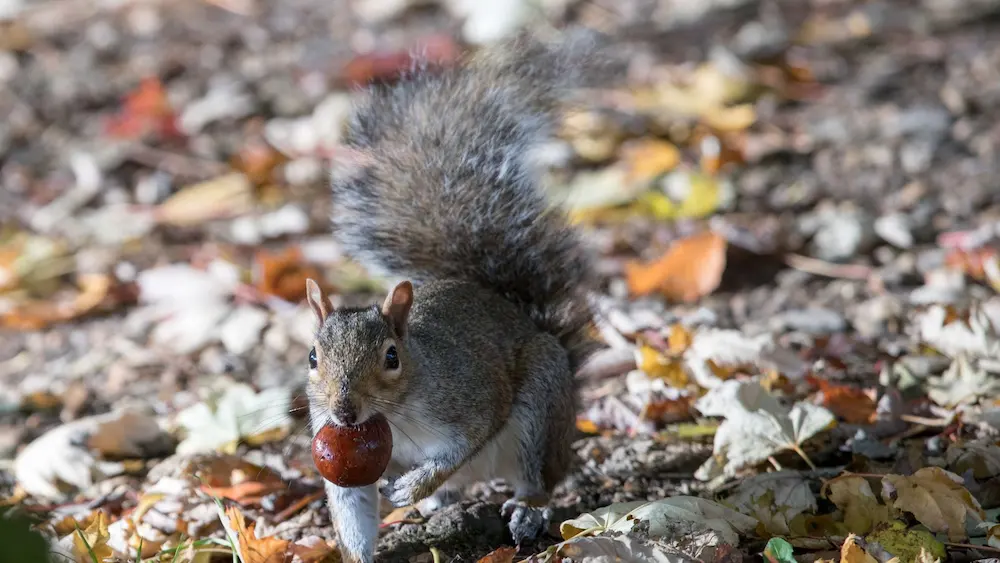
Grey squirrels (Sciurus carolinensis) are a growing pest problem in York, particularly in the more wooded residential areas on the outskirts of the city. Properties in Rawcliffe, Skelton, Haxby, and Poppleton — where gardens back onto mature trees, hedgerows, or open green space — are most commonly affected. Squirrels become a serious problem when they gain access to loft spaces, which York’s older properties make relatively easy through gaps around soffits, damaged fascia boards, or where roof tiles have lifted. Once inside, they can cause significant damage to loft insulation, timber joists, and electrical cabling, creating both a structural and fire risk.
Signs of Squirrels in Your York Property
Squirrel activity in loft spaces is often mistaken for rats or birds. The most common indicator is loud scratching, scurrying, or rolling sounds during daylight hours — squirrels, unlike rats, are active during the day. Homeowners in areas like Woodthorpe, Dringhouses, and properties bordering the Knavesmire frequently report hearing movement in roof spaces from early morning onwards. You may also notice damage to garden bird feeders, gnaw marks on plastic soffits or timber, and torn or disturbed loft insulation if you have loft access. Entry points are typically small — a gap of 45mm is sufficient — and are often found where fascia boards meet the roofline or around where cables enter the building.
How We Handle Squirrel Problems in York
Grey squirrels are classed as an invasive non-native species under the Wildlife and Countryside Act 1981, which means it is illegal to release a trapped grey squirrel back into the wild. This is an important legal consideration that makes professional involvement essential — we handle all aspects of control in compliance with current legislation. Our approach begins with a loft inspection to confirm squirrel activity, assess any damage caused, and identify all entry and exit points. We then implement a targeted trapping programme using approved cage traps, attending regularly to check and reset traps until the problem is resolved. Once the squirrels have been removed, we advise on proofing works to seal entry points and reduce the likelihood of re-entry. For properties in York’s greener suburbs where squirrel pressure is ongoing, this proofing stage is particularly important.
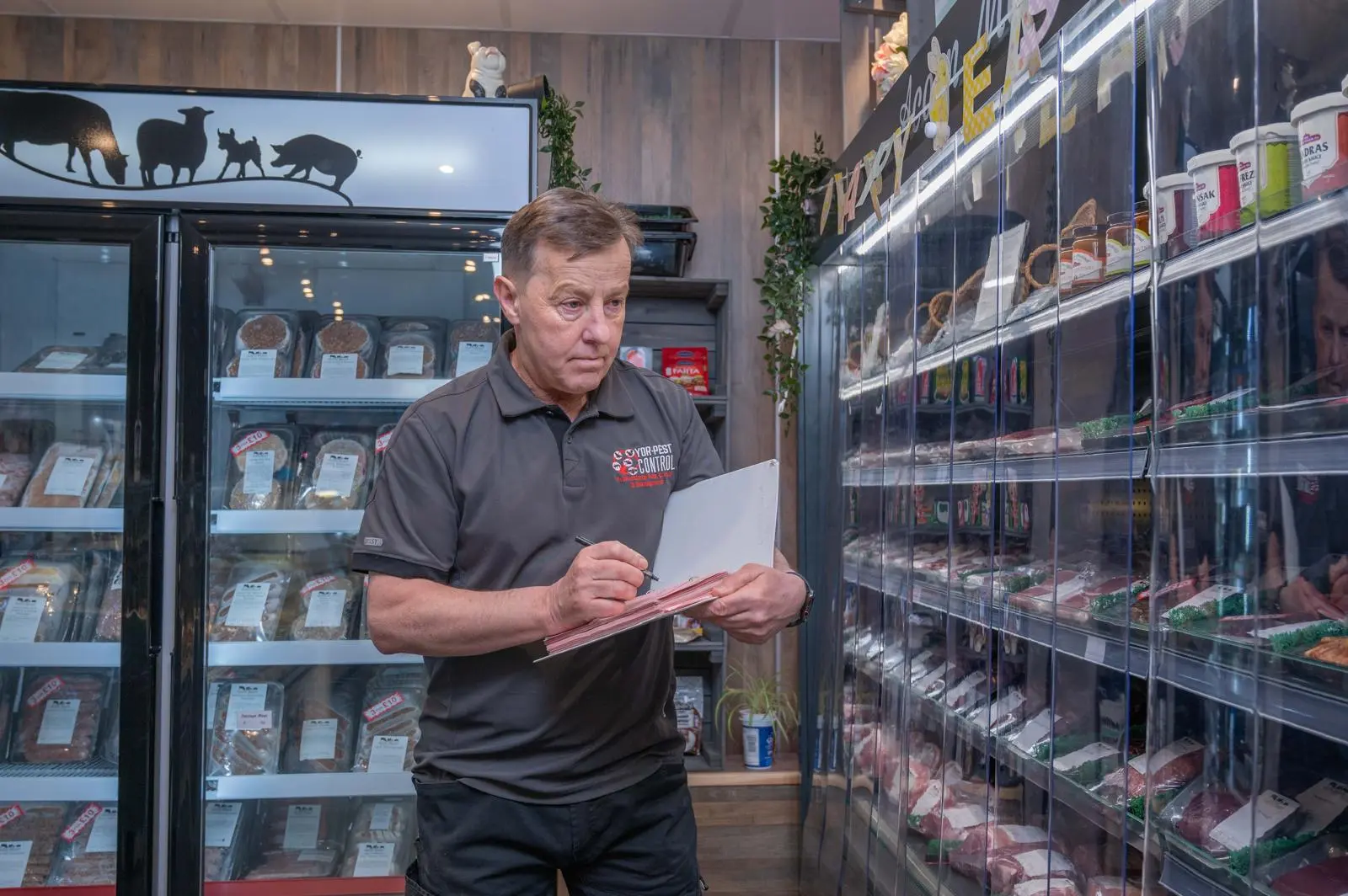
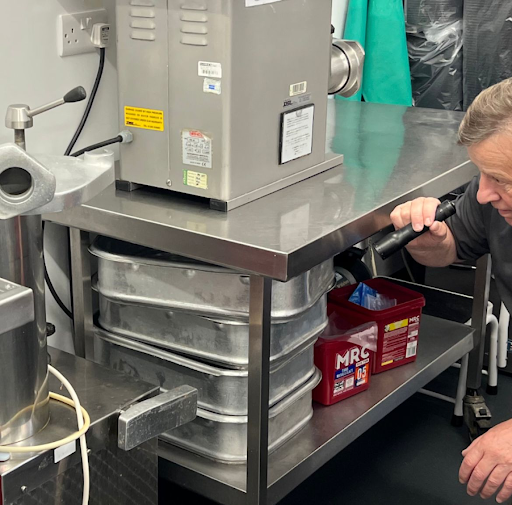
Commercial Pest Control in York
York’s thriving hospitality, food, and tourism sectors make commercial pest control a significant part of what we do. Restaurants, cafés, and hotels along Stonegate, Goodramgate, Micklegate, and around the Shambles face constant pressure from rodents attracted to food waste. A pest sighting by a customer or evidence found during an environmental health inspection can have serious consequences for any food business. Our commercial pest control service provides discreet, scheduled treatments that fit around your operating hours, along with documentation to support your due diligence records.
We work with restaurants and food businesses throughout York city centre, pubs and hotels in the Walmgate and Fossgate areas, student accommodation landlords with properties near the universities, and commercial premises at York Business Park near Poppleton and the Monks Cross retail and business park in Huntington.
York Postcodes We Cover
We provide pest control services across all York postcodes, with same-day or next-day response available throughout:
- YO1 — York city centre, Micklegate, Goodramgate, Gillygate, Shambles area, city walls
- YO10 — Fulford, Heslington, Lawrence Street, Hull Road, Tang Hall, Fishergate
- YO23 — Bishopthorpe, Copmanthorpe, Acaster Malbis, Bishophill
- YO24 — Holgate, Acomb, Dringhouses, Woodthorpe, Knavesmire Road
- YO26 — Upper Poppleton, Nether Poppleton, Skelton, Overton
- YO30 — Rawcliffe, Skelton, Clifton, Bootham, Marygate
- YO31 — Heworth, Haxby Road, Huntington, Layerthorpe
- YO32 — Huntington, Strensall, Haxby, New Earswick
If you’re unsure whether we cover your area, get in touch and we’ll confirm straight away.
Why Choose Yor-Pest Control in York?
We investigate — we don’t just treat. As one of our reviewers put it, the national companies wanted to put poison down without even coming out to look. We attend every job and investigate properly: finding entry points, understanding the scale, and treating the cause rather than the symptoms.
Family-run with genuine local knowledge. Yor-Pest Control is a family business based in Woodthorpe, York. Rob, Jay, and Cory know York’s property types, pest pressures, and geography intimately. That local knowledge matters when you’re trying to work out why rats keep returning to a Holgate terrace or wasps appear in the same Bishopthorpe Road location every summer.
400+ five-star Google reviews. Our consistent 5.0 rating reflects jobs completed across every York neighbourhood we serve. We’re proud of each one.
Same-day response. For wasp nest emergencies and urgent rodent problems, we aim to attend the same day across all York postcodes. We know that finding rats in your kitchen or a wasp nest over your front door isn’t something that can wait until next week.
Award-winning service. We hold the ThreeBestRated® Certificate of Excellence 2025, recognising us as one of the top three pest control companies in the region based on customer satisfaction, trust, and service quality.
Read more about who we are on our about page, or contact us today to discuss your pest problem.
Frequently Asked Questions: Pest Control in York
What pests are most common in York?
York’s most frequently reported pests are rats (particularly near the River Ouse and in older properties across Micklegate, Clifton, and Tang Hall), wasps between June and September (nesting in roof spaces and wall cavities from Rawcliffe to Fulford), ants in summer, clothes moths in period homes, fleas in households with pets, and moles in suburban and village gardens across Bishopthorpe, Poppleton, and Strensall.
How quickly can Yor-Pest Control respond in York?
We typically respond the same day or within 24 hours across all York postcodes including YO1, YO10, YO23, YO24, YO26, YO30, YO31, and YO32. For wasp nest emergencies we often attend within a few hours of your call.
Do you use environmentally friendly pest control methods?
Yes. We use environment-friendly, targeted treatments wherever possible. Rather than applying blanket pesticides, we identify the root cause of each infestation and use the minimum effective intervention. This approach protects your household, your family, and York’s local wildlife — including the bat colonies found in several of the city’s historic properties, which are legally protected.
Why are there so many rats in York?
York’s combination of a historic sewer network running under the city centre and inner suburbs, the River Ouse flood plain, extensive food and hospitality businesses generating waste, and a large stock of older terraced properties with ageing mortar and foundations creates near-ideal conditions for brown rats. Areas like Micklegate, Fishergate, and Tang Hall see higher activity, but rat problems are not limited to any single neighbourhood — we attend jobs across every York postcode throughout the year.
Can I treat pests myself instead of calling a professional?
DIY products from supermarkets typically address visible symptoms rather than the source of an infestation. For rats, wasps, and any established infestation, professional treatment is strongly recommended. We carry professional-grade products not available to the public and have the training to identify and seal entry points that prevent re-infestation. For wasp nests specifically, DIY treatment of an active nest is genuinely dangerous. Visit our York pest control page for more information on our approach.
Do you offer pest control for businesses in York?
Yes. Our commercial pest control service covers restaurants, hotels, offices, food businesses, and rental properties across York. We work around your operating hours and provide written reports to support environmental health compliance and due diligence requirements.